Lysimachia Fortunei: An Overview of Its Traditional Chinese Medicine Uses
In the expansive world of Traditional Chinese Medicine (TCM), many unassuming herbs hold a wealth of therapeutic potential. Among them is Lysimachia fortunei Maxim., known in Chinese as "Xing Xiu Cai." This versatile herb, belonging to the Primulaceae family, has been utilized for centuries for its various health benefits, particularly its ability to support circulation, manage fluid balance, and aid digestive harmony. Let's delve into what makes this herb a notable component in the traditional healing pharmacopeia.
Other Names for Lysimachia fortunei
In various local traditions, Lysimachia fortunei is also recognized by different names, including False Polygonum and Red Root Herb.
Understanding Lysimachia fortunei: Taste, Nature, and Meridian Tropism
In TCM, herbs are categorized by their characteristic taste and nature, which directly inform their therapeutic actions within the body. Lysimachia fortunei is described as having a bitter and astringent taste, with a neutral nature. It primarily influences the Heart and Kidney meridians, indicating its traditional affinity for these organ systems and their associated energy pathways.
What Part of Lysimachia fortunei is Used Medicinally?
The medicinal part of Lysimachia fortunei is typically the entire plant, either the whole herb or the whole herb including its root. For optimal medicinal quality, practitioners look for dry, robust plants with abundant leaves and flowers, ensuring cleanliness.
Identifying Lysimachia fortunei: Morphological Characteristics
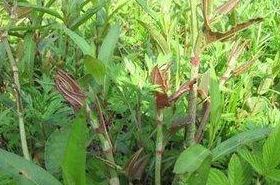
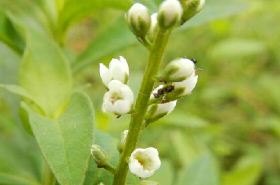
This herbaceous plant features creeping rhizomes and upright, cylindrical stems that are often purplish-red at the base. Its leaves are alternate and stalkless (sessile), with a lanceolate (spear-shaped) form. The plant produces terminal racemes of white flowers.
Traditional Usage and Dosage of Lysimachia fortunei
Internal Use: For internal consumption, Lysimachia fortunei is commonly prepared as a decoction (herbal tea). The recommended dosage is 9-15 grams of the dried herb, or 30-60 grams if using the fresh plant.
External Use: For external applications, the fresh herb can be mashed and applied as a poultice, or a decoction can be prepared for fumigation or topical washing.
Key Functions and Indications of Lysimachia fortunei
Functions: This herb is traditionally valued for its ability to invigorate blood circulation and dispel blood stasis, promote diuresis and resolve dampness, and harmonize the middle jiao (digestive system) while stopping dysentery.
Indications: Lysimachia fortunei is traditionally used for a range of conditions, including traumatic injuries (such as sprains and contusions), rheumatic joint pain, amenorrhea (absence of menstruation), mastitis, scrofula (lymph node swelling), red and swollen painful eyes, edema (swelling due to fluid retention), jaundice, malaria, childhood malnutrition (gān jī), and dysentery.
Traditional Combinations and Formulas Featuring Lysimachia fortunei
Here are some traditional formulas using Lysimachia fortunei, often combined with other herbs to enhance specific therapeutic effects:
- For Edema: Combine 15g of Lysimachia fortunei, 15g of Justicia procumbens, and 15g of Ludwigia prostrata, with 12g each of Elephantopus scaber and Gynura procumbens. Decocted in water for oral administration.
- For Common Cold and Sore Throat: Use 15-30g of dried Lysimachia fortunei, 20g of Sedum sarmentosum, and 20g of Ilex rotunda. Decocted in water for oral administration.
- For Leukorrhea and Stranguria (Painful Urination): Use 30-60g of fresh Lysimachia fortunei and 30g of Justicia procumbens. Decocted in water for oral administration.
- For Rheumatic Lower Back and Knee Pain: Stew 60g of fresh Lysimachia fortunei root with one freshwater eel. Consume the stew.
- For Hernia and Orchitis (Testicular Inflammation): Stew 60g of dried whole Lysimachia fortunei with eggs. Consume.
- For Traumatic Injuries: Mash 60g of fresh whole Lysimachia fortunei, add 250ml of alcohol, and stew for consumption. The herbal residue can be applied as a poultice to the injured area. (Formulas 1-6 are from "Herbal Prescriptions for Hundreds of Diseases")
Historical Perspectives on Lysimachia fortunei
The traditional uses of Lysimachia fortunei are documented in various classical and regional herbal texts:
- From "Fujian Folk Herbal Medicine": "Activates blood and dispels stasis, promotes diuresis and expels water."
- From "Jiangxi Folk Herbal Medicine": "Treats traumatic swelling and pain, red swollen painful eyes, and malaria."
- From "Zhejiang Traditional Chinese Medicine Resource List": "Treats hemoptysis (coughing up blood) and cough."
Quick Self-Check & Immediate Steps for Common Issues
If you're wondering if aspects of Lysimachia fortunei's traditional uses might resonate with minor, temporary discomforts you're experiencing, consider these simple thought prompts:
- If you're experiencing minor swelling or occasional discomfort from a recent bump or bruise, then a warm, moist compress to the affected area might offer temporary soothing.
- If you're feeling a bit sluggish or heavy due to mild, temporary fluid retention or dampness (often manifesting as light puffiness), then incorporating gentle movement and ensuring adequate hydration could immediately support your body's natural balance.
- If you've been having occasional, mild digestive upset or discomfort, then a simple, balanced diet with easily digestible foods and warm liquids could immediately support your gut's harmony.
Remember, these are general tips for minor, temporary discomforts. Always consult a healthcare professional for persistent or severe symptoms.
References
A comprehensive review highlights the diverse phytochemistry and pharmacological activities of the Lysimachia genus, supporting its traditional uses including anti-inflammatory and diuretic properties. PMID: 25169004
Traditional Chinese Medicine, through herbs that promote blood circulation and reduce inflammation, offers potential benefits for conditions involving rheumatic pain, aligning with Lysimachia fortunei's indications for joint discomfort. PMID: 30138541
The role of various Traditional Chinese Medicine herbs in resolving dampness and addressing gastrointestinal issues like dysentery underscores the therapeutic strategies employed by herbs like Lysimachia fortunei for digestive harmony. PMID: 29724124
For informational purposes only. Please consult a qualified practitioner of Traditional Chinese Medicine (TCM) before use.