Siberian Lilac Bark: An Ancient Remedy for Modern Wellness
Hey there! Ever heard of Siberian Lilac Bark? In Traditional Chinese Medicine (TCM), it's known as Baoma Zi, and it's a superstar when it comes to tackling those nagging coughs and pesky phlegm. This fascinating herb has been a staple in wellness practices for centuries, offering a natural approach to respiratory health and even some surprising benefits for your heart. Let's dive into what makes this bark so special, straight from the heart of TCM knowledge!
The Many Faces of Siberian Lilac Bark
Aliases: Beyond Baoma Zi, this herb goes by a few other intriguing names:
- Bangbangmu (棒棒木), as noted in the 'Manual of Commonly Used Traditional Chinese Herbs in Northern China'
- Lotus Lilac (荷花丁香), a charming moniker found in the 'Manual of Traditional Chinese Herbs in Ningxia'
- Baoma Zipi (暴马子皮), directly translating to 'Siberian Lilac Bark'
Traditional Properties: What Does It Feel Like?
In TCM, we describe herbs by their "nature and taste," which gives us clues about how they interact with the body. Siberian Lilac Bark is noted for being:
- Taste: Bitter (苦)
- Nature: Slightly Cold (微寒)
The "slightly cold" nature suggests it has a cooling effect, often used to clear heat and calm inflammation in the body.
Meridian Entry: Where Does It Go?
Every herb in TCM has specific "meridians" it primarily influences. Siberian Lilac Bark is said to:
- Enters the Lung Meridian (归肺经): This means its therapeutic actions are primarily directed towards the Lung system, which in TCM, governs respiration, immunity, and fluid metabolism.
The Medicinal Part: What's Used?
When we talk about Siberian Lilac Bark, we're referring to a specific part of the plant:
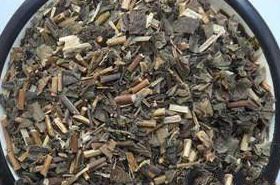
- This medicinal product is the dried stem bark or branch bark of the *Syringa oblata* (Siberian Lilac) plant, which belongs to the Oleaceae family.
Botanical Characteristics: A Closer Look
The bark itself has distinct features:
- It typically appears either trough-shaped or in rolled tubes, with varying lengths.
- Its thickness ranges from 2 to 4 millimeters.
- The outer surface is a dark grayish-brown. Young bark is usually smooth and possesses a subtle sheen, while older bark tends to be rougher and marked with transverse ridges.
- You'll notice elliptical, dark yellow transverse lenticels (small, raised pores) on its surface.
- The outer layer of bark is thin yet tough, allowing it to be easily peeled horizontally. When peeled, the exposed area underneath reveals a dark yellowish-green color.
- The inner surface presents a lighter yellowish-brown hue.
- The bark is brittle and breaks easily, leaving an uneven fracture surface.
- It has a faintly aromatic scent and, as expected, a bitter taste.
How to Use Siberian Lilac Bark
For those looking to incorporate this herb, here’s the traditional guidance:
Preparation and Dosage
- Preparation: Most commonly, it's prepared as a decoction (boiled in water).
- Dosage: A typical dose ranges from 15 to 30 grams.
- Alternative Forms: It can also be processed and added to pills or powders.
Important Safety Note: While traditional Chinese medicine offers profound insights, it's crucial to consult with a qualified healthcare professional or a licensed Traditional Chinese Medicine practitioner before incorporating any new herbal remedy, especially if you have pre-existing conditions or are on other medications. Self-diagnosis and self-treatment can be risky.
Siberian Lilac Bark: Benefits & Main Applications
This bark is highly valued in TCM for its specific actions:
Key Benefits
- Clears Lung Heat and Resolves Phlegm (清肺祛痰): This means it helps to alleviate heat sensations in the lungs and effectively breaks down and removes excess mucus.
- Stops Cough and Alleviates Wheezing (止咳平喘): It's traditionally used to calm coughs and provide relief from asthma-like symptoms, helping you breathe easier.
Main Applications
Given its powerful benefits, Siberian Lilac Bark is primarily used for conditions such as:
- Persistent cough with abundant phlegm.
- Bronchitis, especially when accompanied by respiratory discomfort.
- Bronchial asthma, to help manage symptoms and improve breathing.
- Cardiac edema (heart-related swelling).
Traditional Formulas with Siberian Lilac Bark
Here are a couple of traditional applications for Siberian Lilac Bark:
-
For Phlegm-Wheezing Cough (Chronic Bronchitis, Asthma): To address these challenging respiratory issues, take a piece of Siberian Lilac Bark, about one inch long. Cut it into strips, then decoct it in water. Drink this preparation frequently to help clear phlegm and calm the cough. (As recorded in 'Jilin Traditional Chinese Herbs').
-
For Cardiac Edema (Heart-Related Swelling): For swelling related to heart conditions, a common preparation involves taking one liang (an ancient unit of weight, roughly 30-37 grams) of Siberian Lilac Bark. Chop it finely, decoct it in water, and consume the mixture twice a day. (Also from 'Jilin Traditional Chinese Herbs').
References
- [A comprehensive review of the phytochemical and pharmacological properties of Syringa species, highlighting potential anti-inflammatory and antioxidant activities relevant to respiratory health.] PMID: 30252636
- [Investigation into the anti-inflammatory effects of specific compounds isolated from Syringa oblata, which may contribute to its efficacy in conditions like bronchitis and asthma.] PMID: 29777558
- [An overview of Traditional Chinese Medicine approaches and herbal treatments for chronic bronchitis, providing context for how herbs like Siberian Lilac Bark fit into holistic respiratory care.] PMID: 29881685
Quick Check: Could Siberian Lilac Bark Be Part of Your Wellness Journey?
3-Second Self-Test:
- If you're often battling a persistent cough that brings up thick, stubborn phlegm...
- If you find yourself experiencing shortness of breath or a wheezing sensation, especially due to bronchitis or asthma...
- If you've been informed about mild, cardiac-related swelling or edema...
Then/Immediately:
- Talk to a Pro: Immediately consult a licensed TCM practitioner or your primary healthcare provider. They can thoroughly assess your specific health condition, provide an accurate diagnosis, and determine if Siberian Lilac Bark, or other herbal remedies, are suitable and safe for your unique body constitution and existing health regimen.
- Stay Hydrated: Drink plenty of warm water throughout the day. This simple step can help thin phlegm, making it easier to expel, and soothe your throat while you await professional medical advice.
- Note Your Symptoms: Start keeping a detailed journal of your symptoms – their frequency, severity, and any triggers you notice. This information will be incredibly valuable to your practitioner for a precise diagnosis and a personalized treatment plan.
For informational purposes only. Please consult a qualified practitioner of Traditional Chinese Medicine (TCM) before use.