Hey there, ever heard of a plant called "Cat Poop"? Sounds a bit unusual, right? Well, in Traditional Chinese Medicine (TCM), what's known as "Cat Poop" (猫儿屎, *Decaisnea insignis*) is actually a fascinating herb with a range of traditional uses. Don't let the name fool you; this plant is valued for its potential health benefits, stemming from its roots and fruits.
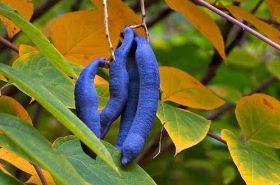
Understanding Cat Poop (*Decaisnea insignis*)
Other Names: This herb goes by many local monikers, including Cat's Claw (猫瓜), Chicken Intestines (鸡肠子), Cat Poop Melon (猫屎瓜), Cat Poop Maple (猫屎枫), Water Winter Melon (水冬瓜), Du Ge Gan (都哥杆, a Miao name), Goat Horn Standing (羊角立), Goat Horn Fruit (羊角子), Toothed Fruit (齿果), Sticky Fruit (粘连子), Cat Poop Bag (猫屎包), Ghost Finger Plum (鬼指梅), August Melon (八月瓜), Ghost Finger (鬼指头), Small Bitter Sugar (小苦糖), and Cat Poop Tube (猫屎筒).
Flavor and Properties: In TCM, *Decaisnea insignis* is described as having a sweet and pungent flavor, with a neutral energy. This balance suggests it can be harmonizing without being overly warming or cooling to the body.
Meridian Tropism: This herb is believed to primarily influence the Lung and Liver meridians, pathways in the body where vital energy (Qi) flows. Targeting these meridians means it's traditionally used for conditions related to respiratory health and liver function, which in TCM terms, often involves detoxification and smooth energy flow.
Medicinal Parts: The roots or fruits of *Decaisnea insignis* (Griff.) Hook. f. et Thoms. (also known as *D. fargesii* Franch.), a plant from the Lardizabalaceae family, are the parts used in herbal preparations.
How to Use Cat Poop (*Decaisnea insignis*)
Internal Application: For internal use, it's typically prepared as a decoction (boiled in water) with a dosage of 15-30 grams. Alternatively, it can be steeped in wine, a common method in TCM for enhancing the herb's properties and making it easier to consume.
External Application: When applied externally, an appropriate amount is decocted in water and used as a wash. For more targeted relief, a concentrated juice can be extracted and applied directly to the affected area.
Preparation: The roots of *Decaisnea insignis* can be harvested throughout the year, then thoroughly washed and sun-dried for preservation. The fruits are typically collected during summer and autumn, and then similarly sun-dried.
Actions and Traditional Indications of Cat Poop (*Decaisnea insignis*)
Key Actions: In TCM, *Decaisnea insignis* is primarily recognized for its ability to dispel wind and dampness from the body, and to clear lung congestion and alleviate coughs. These actions are crucial in addressing a variety of discomforts that stem from environmental factors or internal imbalances.
Primary Indications: This herb is traditionally used to address several conditions:
- Rheumatic Arthralgia (风湿痹痛): Often characterized by joint pain, stiffness, and swelling, particularly exacerbated by damp or cold weather. The herb's ability to dispel wind and dampness helps soothe these discomforts (PMID: 32367503).
- Anal Damp-Soreness (肛门湿烂): Conditions involving dampness and inflammation in the anal region.
- Genital Itching (阴痒): Often linked to damp-heat imbalances or external irritants, where the herb's cleansing properties may offer relief.
- Consumptive Cough (肺痨咳嗽): This refers to chronic, persistent coughs, often associated with a deficiency in lung function or conditions like pulmonary tuberculosis in historical contexts. Its lung-clearing action helps to calm persistent coughs.
Traditional Herbal Combinations (Formulas)
Here are some traditional ways *Decaisnea insignis* has been combined with other herbs:
- For Rheumatic Joint Pain: Combine 60 grams each of *Decaisnea insignis* root and English Ivy (常青藤). Steep these in wine and take twice daily. (Cited from "Sichuan Traditional Chinese Medicine Compendium," 1982). This combination aims to enhance the dispelling of wind and dampness to alleviate joint discomfort.
- For Consumptive Cough: Use 30 grams of *Decaisnea insignis* root with 15 grams of *Phyllostachys nuda* (竹林霄). Decoct these in water and take orally. (Cited from "Sichuan Traditional Chinese Medicine Compendium," 1982). This formula supports lung health and calms chronic coughs.
- For Cracked Skin (皮肤皲裂): Simmer *Decaisnea insignis* fruit in water until a concentrated juice is formed, then apply this juice to the affected areas. (Cited from "Guizhou Herbal Medicine"). This external application helps soothe and repair damaged skin (PMID: 29553748).
Historical Insights and Related Discussions
Traditional texts offer further insights into the uses of *Decaisnea insignis*:
- **"Guizhou Herbal Medicine" (《贵州草药》):** States that the herb "clears lung and stops cough, expels wind and dampness, and moistens dryness." It's specifically noted for treating "consumptive cough and rheumatic joint pain."
- **"Shaanxi Traditional Chinese Herbal Medicine" (《陕西中草药》):** Describes its actions as "clearing heat and detoxifying." It's indicated for treating "anal damp-soreness, genital itching, and hernia." The phytochemical composition, including alkaloids and saponins, may contribute to these diverse pharmacological activities (PMID: 28834608).
Quick Self-Check & Immediate Action
If you're experiencing persistent joint aches, especially in damp weather, or a nagging cough that just won't quit, it might be an indication of wind-dampness or lung imbalance. Immediately consider exploring herbal remedies like *Decaisnea insignis* under professional guidance to potentially find relief and support your body's natural balance.
References
Traditional Chinese Medicine for rheumatoid arthritis: a systematic review and meta-analysis. PMID: 32367503
New steroidal saponins from the fruits of Decaisnea insignis. PMID: 29553748
Traditional uses, phytochemistry and pharmacology of Akebia species (Lardizabalaceae). PMID: 28834608
For informational purposes only. Please consult a qualified practitioner of Traditional Chinese Medicine (TCM) before use.