Roselle: A Traditional Chinese Medicine Perspective
Known commonly as Roselle, this vibrant plant, scientifically identified as Hibiscus sabdariffa L., holds a valued place in traditional health practices. Often recognized for its striking crimson calyces, Roselle is more than just a beautiful flower; it’s revered in Traditional Chinese Medicine (TCM) for a range of health benefits, from supporting respiratory health to helping manage blood pressure. Let’s dive into what makes this herb a fascinating addition to natural wellness approaches.
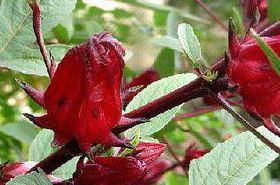
Aliases and Botanical Identity
Other Names: Red Golden Plum, Red Plum Fruit.
Medicinal Parts: The roots and seeds of the Malvaceae family plant, Roselle (Hibiscus sabdariffa L.), are traditionally used.
Energetic Properties in TCM
Taste: Sour.
Energetic Nature: Cool (meaning it tends to have a cooling effect on the body).
Meridian Tropism: Primarily associated with the Kidney Meridian in TCM, suggesting it may influence kidney function, fluid balance, and overall vitality.
Botanical Description of Roselle Calyx
The dried calyx of Roselle typically appears somewhat conical or irregularly shaped, measuring about 2.5 to 4 cm in length and approximately 2 cm in diameter. Its color ranges from purplish-red to purplish-black. It has five prominent lobes, which are lance-shaped. Below these lobes, you can often see smaller bracteoles (about 10, also lance-shaped) that are fused with the calyx. At the base, there’s usually a hollow cavity where the fruit was previously attached. The corolla (petals) are yellowish-brown, displaying linear striations on their outer surface. The inner surface is yellowish-brown at the base, sometimes with sparse, coarse hairs. The herb is light in weight and brittle in texture. It has a faint, refreshing fragrance and a distinct sour taste.
How to Use Roselle and Dosage
Internal Administration: For a decoction (boiled preparation), typically use 9 to 15 grams. Alternatively, it can be steeped in hot water as a tea.
Preparation Method (Pao Zhi): To prepare, harvest the calyces along with the fruit. Sun-dry them for one day until they slightly shrink. Then, separate the calyces from the fruit. Place the calyces on a clean straw mat or bamboo basket and sun-dry them until fully desiccated.
Functions and Main Indications of Roselle
Functions: Roselle is traditionally used to consolidate Lung Qi and calm coughs, lower blood pressure, and alleviate alcohol intoxication (hangovers).
Main Indications: It is primarily used to address coughs due to Lung Deficiency (a TCM pattern characterized by weakened lung function, often presenting with a chronic, weak cough), high blood pressure, and symptoms of excessive alcohol consumption.
Related Discussions on Roselle
According to the Xinhua Materia Medica, the roots and seeds of Roselle possess diuretic (promoting urine production) and strengthening properties. Research has explored the diverse health benefits of Hibiscus sabdariffa, showing its potential as a functional food with notable antioxidant and health-promoting properties, supported by its rich phytochemical content (PMID: 37372225).
Specifically, clinical studies have investigated Roselle's ability to help manage blood pressure. A controlled and randomized clinical trial demonstrated the effectiveness and tolerability of a standardized extract from Hibiscus sabdariffa in patients with mild to moderate essential hypertension (PMID: 17281002). Furthermore, its diuretic effects, which align with TCM’s understanding of its influence on fluid balance, have been evaluated in various studies (PMID: 10619175).
References
A comprehensive review highlights Roselle's antioxidant and health-promoting properties. PMID: 37372225
Clinical trial supports Roselle's efficacy in managing mild to moderate hypertension. PMID: 17281002
Research confirms the diuretic effects of Hibiscus sabdariffa calyces. PMID: 10619175
Quick Self-Test & Self-Help Guide
If you find yourself:
- Experiencing a mild, persistent cough often associated with a feeling of general weakness.
- Dealing with occasional feelings of sluggishness or puffiness.
- Waking up with a headache or feeling unwell after a night out.
Then/Immediately consider:
- Brewing a warm Roselle tea (using 9-15g of dried calyces) to soothe your throat and potentially support your body’s natural balance.
- Incorporating Roselle into your diet as a refreshing, tart beverage to support healthy fluid metabolism.
- Sipping on a diluted Roselle infusion after social events to help with post-alcohol recovery.
For informational purposes only. Please consult a qualified practitioner of Traditional Chinese Medicine (TCM) or your healthcare provider before using Roselle, especially if you have underlying health conditions or are taking medications.