Chestnut Shell
Ever heard of Chestnut Shell in the context of your health? Well, you're in for a treat! Chestnut shell is simply the outer casing of the sweet chestnut, but what many don't realize is that it's also a valuable ingredient in Traditional Chinese Medicine (TCM). Today, let's dive in and explore the incredible benefits and uses of Chestnut Shell in a way that makes sense for you.
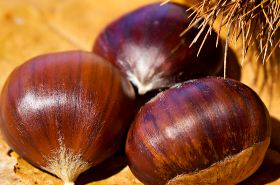
Chestnut Shell (Li Ke)
Taste and Nature: It tastes sweet and astringent, and its nature is neutral.
Meridian Tropism: It primarily influences the Lung, Liver, and Stomach meridians.
Medicinal Part: The pericarp (outer fruit casing) of the Chinese chestnut plant, Castanea mollissima Bl., belonging to the Fagaceae family.
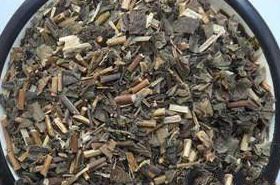
Morphological Characteristics: The outer pericarp is typically broken into irregular pieces of varying sizes, about 1mm thick. Its outer surface is brown, smooth, and hairless, while the inner surface is light brown and flat. It's tough and resilient, yet can be broken, revealing an uneven cross-section. It has a faint aroma and a slightly bitter, astringent taste.
Dosage and Administration of Chestnut Shell
Internal Use: For decoctions (teas), typically 30-60g. If calcined into charcoal and ground into powder, take 3-6g per dose.
External Use: An appropriate amount can be ground into a powder and applied topically as a poultice.
Preparation: The involucre (the spiky outer husk) is harvested when it turns from green to yellow and begins to show slight cracks. The shells are collected during the removal of the seeds (chestnuts) and then sun-dried.
Functions and Indications of Chestnut Shell
Functions: It helps calm rebellious Qi (which can cause nausea and vomiting) and promotes the production of vital body fluids, resolves phlegm and relieves cough, clears heat and dissipates hardened lumps or swellings, and effectively stops bleeding.
Indications: Commonly used for symptoms such as regurgitation (food coming back up), nausea, vomiting, hiccup, wasting-thirst syndrome (symptoms similar to diabetes, involving excessive thirst), cough with excessive phlegm, whooping cough, mumps, scrofula (swollen lymph nodes, often in the neck), nosebleeds, and blood in the stool.
Formulas and Combinations with Chestnut Shell
1. For treating blood in the stool, regurgitation, and vomiting: Take Chestnut Shell, calcined into charcoal while carefully preserving its inherent medicinal properties, then grind it into a fine powder. Take 3g per dose, mixed with warm boiled water. (Cited from "Anhui Traditional Chinese Herbs")
2. For treating scrofula caused by phlegm-fire: Decoction of Chestnut Shell with lean pork. (Cited from "Lingnan Herbal Collection")
Relevant Discussions on Chestnut Shell
According to "Guangxi Traditional Chinese Herbs": “It clears heat, transforms phlegm, and dissipates nodules. It treats cough and scrofula caused by phlegm-fire.”
Ready to See if Chestnut Shell Could Help You? Try Our Quick Check!
If... you've been dealing with a stubborn cough, excess phlegm, or even uncomfortable digestive upset like mild nausea or regurgitation, you might benefit from understanding TCM's approach to these issues.
Then... Immediately consider consulting a qualified TCM practitioner. They can assess your unique constitution and determine if Chestnut Shell or other natural remedies could be a safe and effective part of your holistic health journey.
For informational purposes only. Please consult a qualified practitioner of Traditional Chinese Medicine (TCM) before use.
References
Supporting evidence suggests various medicinal properties of chestnut pericarp:
Evidence shows that extracts from *Castanea mollissima* pericarp possess anti-inflammatory activities, supporting its traditional use in clearing heat. PMID: 35010629
Research indicates the expectorant and antitussive effects of total flavonoids derived from *Castanea mollissima Blume* pericarp, which aligns with its use for resolving phlegm and cough. PMID: 34221124
A comprehensive review highlights the chemical constituents and diverse pharmacological activities of *Castanea* species, further supporting their therapeutic potential in various traditional applications, including gastrointestinal health. PMID: 29775084