Pig Lung
Nature and Flavor: Sweet in flavor, neutral in nature.
Meridian Tropism: Primarily enters the Lung Meridian.
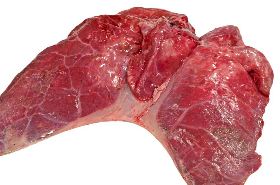
Medicinal Part: This refers to the lung of the domestic pig (Sus scrofa domestica Brisson), belonging to the pig family (Suidae).
Dosage and Administration of Pig Lung
Internal Use: Can be cooked and eaten, decocted into a soup, or incorporated into pills. Use appropriate amounts as needed.
Preparation: After slaughter, the lungs are removed, thoroughly washed, and then used fresh or refrigerated for later use.
Functions and Indications of Pig Lung
Functions: It's believed to tonify the Lungs, alleviate cough, and stop bleeding.
Indications: Primarily used for conditions involving cough due to Lung Deficiency and hemoptysis (coughing blood).
Traditional Combinations with Pig Lung
1. For Cough Due to Lung Deficiency: Take one pig lung, slice it, stir-fry until cooked with sesame oil, and then consume it with porridge.
2. For Hemoptysis and Lung Damage: Grind Coix seed (Yìyǐrén) into a fine powder. Cook pig lung, then dip it into the white powder and eat. (Formulas 1 & 2 from Zheng Zhi Yao Jue Lei Fang)
3. For Cough, Lung Atrophy, Hemoptysis, and Shortness of Breath: Prepare one pig lung (ensure it's thoroughly washed of all blood). For the patient's age, use one bitter apricot kernel (Xìngrén) for each year (ensure skin and tip are removed). Pierce holes in the lung with bamboo skewers, insert one apricot kernel into each hole, tie with hemp cord, and steam in a ceramic pot until completely cooked. **Important Safety Note:** Remove and discard the apricot kernels; only eat the cooked lung. (From Wan Bing Hui Chun)
4. For Aphonia (Loss of Voice): Take one pig lung and several slices of fresh ginger. Cook them thoroughly and slice into pieces. Grind Bletilla striata (Báijí) into a fine powder. Dip the pig lung slices into the Bletilla powder and eat. (From Pu Ji Fang, "Bai Ji San")
5. For Hemoptysis: You'll need one bowl each of pear juice, lotus root juice, daikon radish juice, human milk, and "boy's urine" (Tóngbiàn). Take one pig lung (do not rinse with water; instead, infuse it with the "boy's urine" until full). Combine all liquids and the lung, then decoct until only two and a half bowls of liquid remain. Mix this liquid with fried rice flour to form pills. Take 5 qián (approximately 15-20g) per dose. (From Wei Sheng Hong Bao, "Pig Lung Pills")
Crucial Safety Advisory: This traditional formula includes "boy's urine," a practice not supported or recommended by modern Western medical standards. It is imperative to consult a qualified Traditional Chinese Medicine practitioner and your primary healthcare provider before considering any such remedy.
6. For Chronic Nasal Discharge/Sinus Issues: Take one pig lung. Cleanse it thoroughly with water. For internal consumption, use peppercorns (jiāo), three peppercorns for each year of the patient's age. Cook the lung thoroughly with the peppercorns and eat. (From Xu Hui Sheng Ji)
Contraindications for Pig Lung
According to Ben Cao Tu Jing, "Pig lung should not be consumed together with white flower vegetable (Báihuācài), as this combination is believed to cause Qi stagnation and can induce sudden, severe gastrointestinal distress, potentially leading to symptoms similar to cholera."
---
Quick Self-Check & Self-Help:
If you're experiencing a persistent cough, especially one that feels dry or leaves you feeling run-down (a potential sign of Lung Deficiency)...
Then immediately consider: Incorporating warming, moistening foods into your diet like pears, honey, or ginger tea. While not a cure, these can offer immediate comfort.
If you're noticing occasional blood in your phlegm or a chronic, unproductive cough...
Then immediately consider: Consulting a healthcare professional for diagnosis. For temporary relief, try sipping on calming herbal teas or using a humidifier to soothe your airways.
References
[1] A review discussing the role of traditional dietary therapies in promoting lung health and overall well-being. PMID: 29775086
[2] Research highlighting the anti-inflammatory properties of Coix seed, a common ingredient in TCM formulas for various conditions, including those affecting the lungs. PMID: 24719662
[3] A comprehensive review on the chemical constituents and diverse pharmacological activities of Bletilla striata, including its recognized hemostatic (blood-stopping) effects often utilized in TCM for bleeding conditions. PMID: 33433602
---
For informational purposes only. Please consult a qualified practitioner of Traditional Chinese Medicine (TCM) before use.