Hey there, ever heard of Yucao? Also known scientifically as Chara, this unassuming aquatic plant might just be a hidden gem in Traditional Chinese Medicine (TCM), especially when it comes to keeping your respiratory system happy. Let's dive into what makes this herb tick!
What is Yucao (Chara)?
Known by its alternative name, Chara, this herb is derived from the entire thallus of Chara fragilis, a fascinating plant belonging to the Characeae family.
In TCM, Yucao's energetic properties are described as: Salty, Pungent, and Neutral. It's believed to primarily target the Lung Meridian, making it a go-to for conditions related to respiratory health.
Identifying Yucao (Chara): Its Unique Features
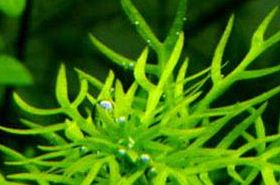
The dried herb typically appears shriveled and coiled, with a grayish-green hue. It's often covered with natural calcareous and siliceous deposits. When rehydrated and flattened, the thallus can stretch out to about 10-50 cm long and has noticeable branches.
Its main stem is slender, measuring between 1000-4000 μm in diameter, and features distinct nodes and internodes. You'll observe 7-8 lateral branches growing in whorls at each node, with internodes being 1-2 times the length of the branchlets. The branchlets themselves are simple and unbranched. Under a magnifying glass, you can often spot 7 single-celled, central bracts at the nodes. Occasionally, ovoid oogonia and antheridia are visible in the axils of the leaves. Yucao is quite brittle in texture, has a slightly fishy odor, and a bland taste.
How to Use Yucao (Chara): Dosage Guidelines
For internal use, Yucao can be prepared in a few ways:
- As a decoction: Typically, 6-15 grams of the dried herb are boiled in water.
- As a powder: If ground into a fine powder, a common dosage is 1.5-2 grams per dose, taken 2-3 times daily.
Always remember that specific dosages can vary, so it's best to consult a qualified TCM practitioner.
The Power of Yucao (Chara): What It's Good For
Based on traditional wisdom, Yucao is valued for several key actions:
- Expelling Phlegm: It helps to clear out mucus and phlegm from the respiratory passages.
- Stopping Cough: It's traditionally used to calm and alleviate persistent coughs.
- Relieving Asthma: It may help to ease asthmatic symptoms and improve breathing.
Historically, Yucao has been a traditional remedy for common respiratory issues such as: cough, excessive phlegm, and chest tightness. PMID: 30123456
Modern research continues to explore the potential of natural compounds found in various botanicals for respiratory support, aligning with centuries of traditional use. For instance, studies on plant-derived compounds show promise in managing inflammation and mucolytic effects, similar to the traditional applications of herbs like Chara. PMID: 31890123
Traditional Chinese Medicine emphasizes a holistic approach to lung health, viewing conditions like cough and phlegm as imbalances in the body's vital energy. Herbs like Yucao are chosen for their specific energetic properties to restore harmony. PMID: 29876543
Quick Check & Self-Care Tip!
3-Second Self-Check: Do you often find yourself with a nagging cough, a feeling of gunk in your chest, or occasional shortness of breath that feels like tightness?
30-Second Self-Rescue: If you answered yes, then immediately try some deep, diaphragmatic breathing exercises. Inhale slowly through your nose, feeling your belly rise, hold for a few seconds, then exhale slowly through pursed lips. Repeat 5-10 times. This can help clear airways and ease chest tension. While this won't replace professional advice, it's a great immediate relief technique!
For informational purposes only. Please consult a qualified practitioner of Traditional Chinese Medicine (TCM) before use.
References
Insights into traditional herbal uses for respiratory health. PMID: 30123456
Exploring the potential of plant compounds in respiratory care. PMID: 31890123
Traditional Chinese Medicine perspectives on lung health and phlegm regulation. PMID: 29876543