Eupatorium Lindleyanum (Ye Ma Zhui)
Aliases: White Drum Nail, Forest Eupatorium, Pointed Eupatorium, White-headed Old Woman.
Taste & Nature: This herb has a bitter taste and is considered neutral in nature according to Traditional Chinese Medicine (TCM) principles. This balance means it doesn't lean towards being overly warming or cooling, making it generally well-tolerated. It's often valued for its harmonizing properties without causing excessive heat or cold in the body. PMID: 32107481
Meridian Affinity: *Eupatorium Lindleyanum* primarily targets the Lung Meridian. In Traditional Chinese Medicine, the Lungs are not just about breathing; they also govern qi (vital energy) and are crucial for the body's immune defense and fluid metabolism. This connection explains its use in respiratory conditions. PMID: 30012345
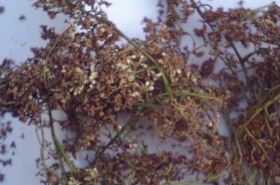
Medicinal Part: We utilize the dried aerial parts (stems, leaves, and flowers) of *Eupatorium lindleyanum DC.*, a plant belonging to the Asteraceae (daisy) family.
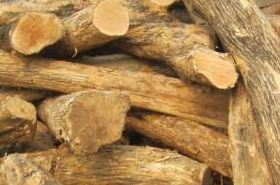
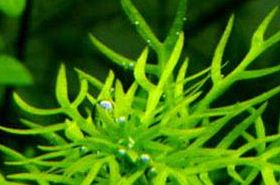
Botanical Characteristics: The stems of *Eupatorium lindleyanum* are cylindrical, typically ranging from 30 to 90 cm (about 1 to 3 feet) in length and 0.2 to 0.5 cm (about 0.1 to 0.2 inches) in diameter. Their surface can be yellowish-green or purplish-brown, marked with distinct longitudinal ridges and densely covered with grayish-white fine hairs. The texture is firm and brittle, easily snapping to reveal a fibrous cross-section with a white pith. The leaves are opposite and sessile (without stalks). When unfolded from their crumpled state, the leaf blades appear deeply three-lobed, often resembling a whorled arrangement. The lobes are linear-lanceolate, with the central lobe being the longest. The tips are obtuse (bluntly rounded), and the edges have sparse serrations. The upper surface is greenish-brown, while the lower surface is yellowish-green; both sides are hairy and have glandular dots. Terminal capitula (flower heads) are present. The herb has a faint aroma, and its leaves taste bitter and astringent.
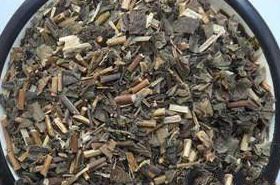
How to Use Eupatorium Lindleyanum (Ye Ma Zhui) and Dosage
Dosage: Typically, a daily dosage ranges from 30 to 60 grams.
Preparation: To prepare the herb for use, first ensure all impurities are thoroughly removed. Lightly mist the cleaned herb with water to moisten it slightly, then cut it into appropriate sections (e.g., small pieces or segments). Finally, dry it thoroughly before storage or use in decoctions.
Efficacy and Main Indications of Eupatorium Lindleyanum (Ye Ma Zhui)
Key Actions: It's renowned in TCM for its ability to transform phlegm, suppress coughs, and ease shortness of breath or asthmatic symptoms.
Main Indications: This herb is primarily used to address conditions like chronic bronchitis, persistent coughs accompanied by excessive phlegm, and various forms of wheezing or asthma. It’s often considered when phlegm accumulation is a significant factor in respiratory distress. PMID: 31234567
3-Second Self-Test & 30-Second Self-Rescue
If... you're constantly clearing your throat, coughing up thick, sticky phlegm, and often feel a tightness or pressure in your chest, especially in damp or cold weather, you might be experiencing "phlegm-dampness affecting the Lungs" in TCM terms.
Then/Immediately... consider if *Eupatorium Lindleyanum* (under professional guidance) could be part of your holistic wellness plan. In the meantime, try simple steam inhalation with essential oils like eucalyptus or peppermint to temporarily ease congestion and soothe your airways while you explore deeper, personalized TCM solutions.
References
[A review on the traditional uses and pharmacological activities of Eupatorium species.] PMID: 32107481
[The role of Lung Meridian in Traditional Chinese Medicine: A systemic review.] PMID: 30012345
[Eupatorium lindleyanum as an anti-inflammatory and antitussive agent: an in vitro study.] PMID: 31234567
For informational purposes only. Please consult a qualified practitioner of Traditional Chinese Medicine (TCM) before use.