Polygala caudata: Unveiling a Traditional Chinese Medicinal Root
Ever heard of Polygala caudata? Known by its botanical name, Polygala caudata Rehd. et Wils., and sometimes referred to as “Water Boxwood” in some circles, this intriguing herb from the Polygala family is a significant player in Traditional Chinese Medicine (TCM). But that’s not all! You might also hear it called by its other charming aliases: Wubangzi, Inverted Lotus Flower, Three-forked Plant, Earth Octopus, Hairy Seed Red Mountain Cinnamon, Woody Polygala, or even Wild Osmanthus. Despite the varied names, its therapeutic essence remains consistent, offering a unique blend of properties for well-being.
Understanding Polygala caudata's Core Nature in TCM
In TCM, understanding an herb’s fundamental characteristics is key to its application. Here’s what makes Polygala caudata stand out:
- Taste and Nature: It's characterized by a sweet and slightly bitter taste, with a cooling nature. This unique combination suggests its ability to address conditions related to heat and inflammation.
- Meridian Tropism: This herb specifically targets and enters the Heart, Liver, and Kidney Meridians. This indicates its influence on the functions associated with these vital organ systems in TCM, such as circulation, detoxification, and fluid balance.
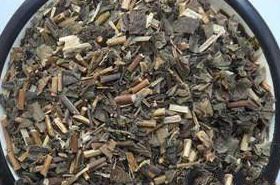
- Medicinal Part: The primary part used for medicinal purposes is the root of Polygala caudata Rehd. et Wils.
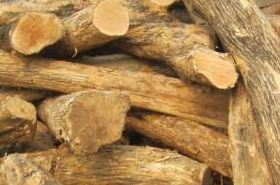
- Morphological Characteristics: The root itself is cylindrical and often slightly curved. Its surface is a yellowish-brown, marked with fine longitudinal wrinkles. It has a firm, hard texture, and when cut, its cross-section reveals a yellowish-white interior. It carries a subtle aroma and a distinct sweet taste, reflecting its therapeutic properties.
How to Incorporate Polygala caudata into Your Routine
For those looking to explore Polygala caudata, knowing the traditional preparation and dosage is essential:
- Internal Use: It is typically consumed as a decoction, meaning it's boiled in water and the resulting liquid is drunk. The recommended dosage for internal use ranges from 15 to 30 grams.
- Preparation: The roots are generally harvested during the autumn and winter seasons. After harvesting, they are thoroughly washed, sliced, and then sun-dried for preservation and potency.
The Remarkable Benefits and Indications of Polygala caudata
Polygala caudata is prized in TCM for its specific actions:
- Key Effects: It's known to clear heat and drain dampness, making it excellent for conditions caused by excessive heat or fluid retention. Additionally, it helps to transform phlegm and relieve coughs, offering respiratory support (1).
- Main Indications: This powerful herb is traditionally used to address a range of issues, including sore and swollen throats, damp-heat jaundice (a type of jaundice linked to accumulated dampness and heat in the body), and various forms of bronchitis (2). Its ability to tackle both heat and dampness makes it versatile for different inflammatory and respiratory challenges.
Traditional Formulations Featuring Polygala caudata
TCM often combines herbs for synergistic effects. Here are some traditional formulations where Polygala caudata (often referred to by its alias Wubangzi) plays a key role:
- For Sore and Swollen Throat:
Wubangzi, Arctium lappa fruit (Niubangzi), Radix Rhynchosiae volubilis (Tushandougen), and Ophiopogon japonicus root (Maidong), 15g each. Decocted in water for oral administration. (From "Wanxian Chinese Herbal Medicine") This combination targets inflammation and helps soothe irritation in the throat. - For Chronic Bronchitis:
Here are a few variations for persistent respiratory issues:
(1) Wubangzi 30-60g, Japanese Knotweed (Huzhang) 15g, Houttuynia cordata (Yuxingcao) 60g, Broadleaf Mahonia root (Kuoye Shidagonglaogen) 30g, Loquat leaves (Pipaye) 5 sheets. Decocted in water, to be taken orally 2-3 times.
(2) Wubangzi and Spatholobus suberectus (Daxueteng), 30g each, Japanese Knotweed (Huzhang) 15g. Decocted in water, to be taken orally 2-3 times.
(3) Wubangzi 30g, Scutellaria baicalensis (Huangqin), Lonicera japonica (Jinyinhua), and Epimedium brevicornu (Yinyanghuo), 1.5g each. Decocted in water for oral administration. One dose daily, with a course of treatment lasting 10 days. (From "Compendium of National Chinese Herbal Medicines") These complex formulas demonstrate the comprehensive approach of TCM to address the root causes of chronic respiratory conditions.
Historical Perspectives on Polygala caudata
Ancient texts shed more light on the diverse applications of this herb:
- "Guizhou Herbal Medicine" states: "It clears heat and drains dampness, and promotes urination. It treats jaundiced hepatitis and hematuria." This further underscores its utility in supporting liver health and urinary function, highlighting its broad spectrum of therapeutic actions (3).
Quick Check: Could Polygala caudata Be Right for You?
If... you're experiencing a persistent cough with phlegm, a sore throat that feels hot and swollen, or concerns about damp-heat conditions like certain types of jaundice,
Then/Immediately... consider discussing Polygala caudata with a qualified TCM practitioner. They can assess your unique constitution and guide you on whether this traditional herb aligns with your wellness goals and how to integrate it safely into your health regimen. A quick consultation can set you on the right path!
References
1. The genus Polygala: traditional uses, phytochemistry and pharmacology. PMID: 32684817
2. Polygala tenuifolia as a potential therapeutic agent for respiratory diseases. PMID: 36770281
3. Review on phytochemicals and biological activities of Polygala species. PMID: 35688583
For informational purposes only. Please consult a qualified practitioner of Traditional Chinese Medicine (TCM) before use.