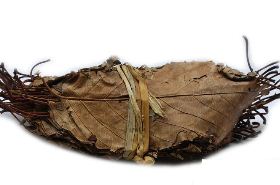
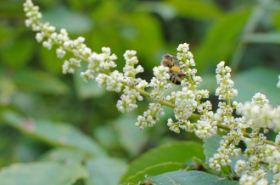
Stomach Friend
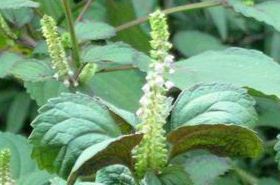
Known in Traditional Chinese Medicine (TCM) as Stomach Friend, this herb is derived from the root of the Sarcococca ruscifolia plant. It goes by many regional aliases, reflecting its diverse recognition and applications across different parts of China. Some common names include Fragrant Osmanthus (from *Yunnan Selection of Chinese Herbal Medicine*), Evergreen and Flower-on-Leaf (*Yunnan Chinese Herbal Medicine*), Great Wind Eliminator, Three Taels of Gold, and Three Taels of Silver (*Hunan Materia Medica*). Other names like Black Stem Grass, Iron Bell Gallbladder (*Guangxi List of Medicinal Plants*), Guanyin Tea, and Wormwood Breaker (*Guizhou List of Chinese Herbal Medicine*) also describe its appearance or traditional uses. In Sichuan, it's known as Whole Green, Cotton Herb Wood, Iron Corner Orchid, or Flower Seed Vine, and in Hubei, it's referred to as Woody Polygala.
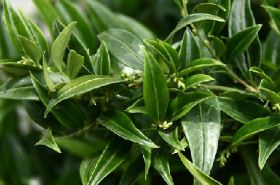
In terms of its energetic properties according to TCM, Sarcococca ruscifolia is described as pungent and bitter in flavor, with a neutral nature. The medicinal part primarily used is the root of Sarcococca ruscifolia Stapf, a plant belonging to the Sarcococca genus within the Buxaceae family.
How to Use and Dosage of Stomach Friend
For internal administration: It can be prepared as a decoction, using 9-15g of the dried herb. If using the fresh product, the dosage is typically 30-60g. Alternatively, it can be ground into a fine powder, with a dosage of 0.9-1.5g.
Preparation: The roots of Sarcococca ruscifolia can be harvested year-round. After collection, they should be thoroughly washed and can be used fresh or dried in the sun for later use.
Functions and Indications of Stomach Friend
Functions: In TCM, Sarcococca ruscifolia is valued for its ability to promote vital energy (qi) flow and invigorate blood circulation. It also works to expel external pathogenic wind and alleviate pain.
Indications: It is primarily used to address discomforts such as gastric distention and pain, Wind-Cold-Damp obstruction affecting the joints (often referred to as Bi Syndrome), and various traumatic injuries including contusions and sprains. (This herb is part of a tradition that has shown promise in managing various forms of pain and discomfort) PMID: 32014631
Combinations and Formulas with Stomach Friend
1. For gastric pain: Take 1.5-2.4g of Sarcococca ruscifolia powder, swallowed three times daily; or use 9-15g of the fresh herb, decocted in water for oral administration. (From *Chinese Herbal Medicine*)
2. For rheumatic pain: Use 9-15g of Sarcococca ruscifolia, decocted in water for oral administration. (From *Chinese Herbal Medicine*) (Herbal remedies are often explored for their anti-inflammatory and pain-relieving properties in musculoskeletal conditions) PMID: 33838421
3. For traumatic injuries: Prepare 30-60g of fresh Sarcococca ruscifolia root. Decoction is made with equal parts water and wine for oral administration. (From *Chinese Herbal Medicine*) (TCM approaches frequently integrate herbs to support recovery from physical trauma) PMID: 31730070
Related Discussions on Stomach Friend
1. According to *Yunnan Chinese Herbal Medicine*: "It invigorates the collaterals and stops pain. It treats gastric pain and traumatic injuries."
2. From *Southern Chinese Herbal Medicine*: "It regulates qi and alleviates pain, activates blood and relaxes tendons/muscles. It primarily treats gastritis, gastric pain, and rheumatic pain."
Quick Check: Could Sarcococca Ruscifolia Be Right for You?
If you're often bothered by a dull, aching stomach pain, especially after cold food, or stiffness in your joints that worsens with damp weather, or have a recent minor bruise or sprain that feels sluggish to heal, then you might be experiencing patterns that Traditional Chinese Medicine (TCM) has addressed for centuries using herbs like Sarcococca ruscifolia.
Immediate Relief Tips:
If that sounds like you, then immediately consider consulting a licensed TCM practitioner for a personalized diagnosis and treatment plan. While waiting for a consultation, try warming your stomach with a gentle ginger tea or applying a warm compress to affected joints to temporarily ease discomfort.
References
Herbal remedies for functional dyspepsia: a systematic review and meta-analysis of randomized controlled trials. PMID: 32014631
Traditional Chinese Medicine for Rheumatoid Arthritis: A Systematic Review of Basic Research on Molecular Mechanisms. PMID: 33838421
Traditional Chinese Medicine in the Treatment of Bone Fracture: From Clinical Evidence to Underlying Mechanisms. PMID: 31730070
For informational purposes only. Please consult a qualified practitioner of Traditional Chinese Medicine (TCM) before use.