Safflower Seed: An Overview
Ever wondered about the power packed within a tiny seed? The Safflower seed, or "Hong Hu Zi" in Traditional Chinese Medicine (TCM), is a remarkable ingredient known for its unique health properties. This isn't just any seed; it's considered a valuable part of herbal remedies, deeply rooted in centuries of traditional healing practices.
Properties: From a TCM perspective, Safflower seed is pungent in flavor and slightly cool in nature.
Meridian Tropism: It is understood to enter the Heart and Liver meridians, which are crucial pathways for vital energy and blood circulation in the body.
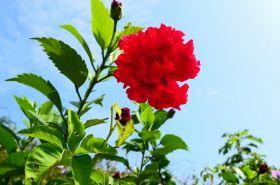
Medicinal Part: We're talking about the fruit of the Safflower plant, *Carthamus tinctorius L.*, a member of the daisy family (Asteraceae).
Morphological Characteristics: The seeds are obovate (egg-shaped, wider at the top), slightly flattened, typically measuring 5-7mm long, 2.8-3.9mm wide, and 2-3mm thick. Their surface is pale brown, blunt and rounded at the apex, tapering to a point at the base, which features a small, flat circular hilum. The seed coat is thin and membranous. Inside, the embryo is straight and rich in oil and powder, with a short, conical radicle. It has two thick, oval cotyledons, often with a central depression where they join.
How to Use Safflower Seed
Internal Use: Traditionally, Safflower seed is taken internally as a decoction (boiled tea), or incorporated into pills and powders.
Preparation: The seeds are typically harvested between August and September, then air-dried and stored for future use.
Safflower Seed: Benefits & Indications
Efficacy: This seed is highly regarded in TCM for its ability to invigorate blood and dispel blood stasis, as well as to reduce swelling and dissipate nodules. These actions are key for maintaining healthy circulation and addressing localized accumulations.
Indications: It's primarily used for postpartum blood disorders, where it helps normalize blood flow after childbirth. Additionally, a few seeds swallowed whole are traditionally believed to help with epidemic sores that are slow to erupt.
The Science Behind Safflower Seed: Pharmacological Actions
Modern research has begun to shed light on the traditional uses of Safflower seed:
1. Oral administration of safflower oil has been shown to lower levels of total cholesterol, triglycerides, and non-esterified fatty acids in the serum, which can contribute to cardiovascular health (PMID: 28381838).
2. Studies indicate it can stimulate certain smooth muscle organs, such as the small intestine and bronchi, suggesting a role in digestive and respiratory health (PMID: 29775086).
3. Interestingly, it has an inhibitory effect on isolated rat ileum, demonstrating its complex pharmacological profile.
Important Considerations: Contraindications
It's important to note that Safflower seed can be detrimental to the stomach. Traditionally, anise is used as a corrective herb to mitigate this effect. As with any herbal remedy, moderation and proper guidance are key.
Safflower Seed in Traditional Formulas
Safflower seed is often combined with other herbs to enhance its therapeutic effects:
1. **For slow-erupting measles/smallpox sores:** "One *he* (a traditional measure) of Safflower seed, pounded, boiled in half a liter of water until vigorously boiling, then the dregs removed and the decoction taken in divided doses." (From *Shang Han Zong Bing Lun* - Safflower Decoction)
2. **For stabbing pain from blood stagnation in the abdomen:** "One *sheng* (a traditional measure) of Safflower seed, pounded, mixed with one *sheng* and eight *ge* (another measure) of unadulterated wine, air-dried, then re-pounded and formed into honey pills the size of a tung tree seed. Take 40 pills on an empty stomach with wine." (From *Ben Cao Tu Jing*)
3. **For women experiencing wind-stroke with blood-heat and thirst:** "Five large *ge* of Safflower seed, lightly roasted, pounded. The next day, take half a large spoonful, boil with one *sheng* of water until seven *ge* remain, remove dregs, and slowly swallow." (From *Guang Li Fang*)
Historical Insights on Safflower Seed
1. From the *Kai Bao Ben Cao* (973 AD): "Swallowing several seeds can address epidemic sores that fail to erupt."
2. From the *Ben Cao Gang Mu* (1596 AD) by Li Shizhen: "[Safflower] its seeds are harvested in May, washed clean, pounded to extract juice. When mixed with vinegar and used in vegetable dishes, it's extremely rich and delicious. It can also be used for chariot grease and candles."
Quick Check: Are You Experiencing Blood Stagnation Symptoms?
If you're noticing persistent localized pain, dark or clotted menstrual blood, or feeling unusually sluggish and heavy, then you might be experiencing signs of blood stagnation. Immediately consider incorporating gentle movement into your day, like a brisk walk, and focus on warm, nourishing foods to support your body's natural circulation.
References
For more detailed information on the pharmacological effects of Safflower seed: PMID: 28381838
To explore the comprehensive traditional uses and phytochemistry of *Carthamus tinctorius L.*: PMID: 29775086
For a broad overview of the pharmacological activities of Safflower: PMID: 25492942
For informational purposes only. Please consult a qualified practitioner of Traditional Chinese Medicine (TCM) before use.