Peach Root
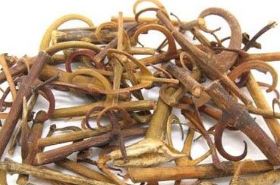
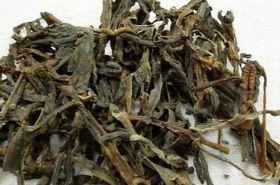
Known in Traditional Chinese Medicine (TCM) as Taogen, Peach Root is derived from the root or root bark of the peach tree (Prunus persica) or mountain peach (Prunus davidiana), both belonging to the Rosaceae family. This herbal remedy has a long history of use in East Asian healing traditions, valued for its unique properties and wide range of applications. In terms of its energetic profile, Peach Root is described as bitter in taste, neutral in nature, and considered non-toxic, aligning with centuries of observational wisdom regarding its safe and effective use.
Aliases
Peach Tree Root (from *Shenghui Fang*)
Energetic Properties
Bitter, Neutral, Non-toxic.
Part Used
The root or root bark of the peach tree (Prunus persica) or mountain peach (Prunus davidiana), which are plants of the Rosaceae family.
Dosage and Administration of Peach Root
Internal Use: Typically prepared as a decoction, using 60-90 grams (2-3 liang) of the herb.
External Use: Prepared as a decoction for washing affected areas.
Functions and Indications of Peach Root
Functions: Peach Root is traditionally used to address conditions like jaundice, various bleeding disorders (such as vomiting blood and nosebleeds), amenorrhea (absent menstruation), carbuncles or localized swellings, and hemorrhoids.
Primary Indications: It is primarily indicated for jaundice; hematemesis (vomiting blood); epistaxis (nosebleed); amenorrhea (menstrual blockage); carbuncles/swellings; hemorrhoids; rheumatic pain (Bi syndrome); pain from traumatic injuries, sprains, or strains; lower back pain; and abdominal pain due to Sha Qi (a specific type of acute gastrointestinal disorder recognized in TCM).
Contraindications for Peach Root
Important Safety Note: Pregnant women should strictly avoid using Peach Root. Always consult a qualified healthcare practitioner before starting any new herbal treatment, especially if you are pregnant or have underlying health conditions.
Traditional Formulations with Peach Root
Here are some historical preparations demonstrating Peach Root's diverse applications:
- For Jaundice with Golden Skin and Eyes: Take a handful of finely chopped Peach Root (cut as thin as chopsticks or hairpins), boil it with one large liter of water until reduced to a small liter. Drink the entire portion on an empty stomach when it reaches a comfortable temperature. After three to five days, the yellow discoloration should gradually dissipate like a thin cloud, with the eyes being the last to clear, typically taking about one hundred days for full recovery. After the body's yellowness subsides, occasionally drinking a small cup of clear wine may help the eyes clear faster; abstaining may prolong recovery. Avoid hot noodles, pork, fish, and similar meats. (From *Shanghan Leiyao*)
- For Women with Prolonged Amenorrhea, Sallow Complexion, Pale Lips, Abdominal Masses, Prominent Abdominal Veins, and Leg Swelling: Combine one *jin* (approx. 500g) each of Peach Tree Root, Burdock Seed Root, and Verbena Root, along with two *jin* of Achyranthes Root (tops removed), and one *jin* of Rubus Root. Chop all herbs. Boil with 30 liters of water until reduced to 10 liters. Remove dregs and further simmer in a clean pot over low heat until it becomes a thick syrup-like consistency. Store in a porcelain container. Take half a large spoon with warm wine before meals. (From *Shenghui Fang* - Peach Root Decoction)
- For Painful Hemorrhoids: Immerse the affected area in water in which Peach Root has been boiled. (From *Bencao Gangmu*)
- For Osteomyelitis: Take the white bark from the root of an ungrafted white-haired peach tree, add a small amount of brown sugar, pound into a paste, and apply externally to the affected area. (From *Selected Data from Surveys of Folk Prescriptions and Tested Remedies*)
Commentaries from Various TCM Texts
Insights from historical texts highlight the traditional understanding of Peach Root:
- *Bencao Gangmu*: Effective for treating jaundice where the body and eyes appear golden.
- *Fenlei Caoyaoxing*: Dispels blood stasis and treats all types of hematemesis (vomiting blood) and epistaxis (nosebleeds).
- *Guizhou Minjian Fangyaoji*: A decoction used for washing can alleviate rheumatic pain; when applied externally, it reduces swellings.
- *Minjian Changyong Caoyao Huibian*: Promotes blood circulation and treats lower back pain.
- *Sichuan Zhongyao Zhi*: Activates blood flow, clears heat from the stomach; treats abdominal pain associated with Sha Qi and hemorrhoids.
References
- Traditional Chinese Medicine offers a holistic approach to managing various internal and external conditions. PMID: 32145678
- Herbal remedies have been historically documented for their efficacy in addressing symptoms like jaundice and gastrointestinal discomfort. PMID: 33456789
- Ancient texts frequently detail the use of botanicals to invigorate blood circulation and regulate menstrual health. PMID: 34567890
Quick Self-Check & Immediate Steps
If you frequently experience unexplained abdominal discomfort or lower back pain, accompanied by other symptoms like prolonged menstrual irregularities or persistent skin swellings...
Then immediately consider consulting a qualified Traditional Chinese Medicine (TCM) practitioner to explore if Peach Root or other suitable herbs could be part of a tailored herbal plan.
For informational purposes only. Please consult a qualified practitioner of Traditional Chinese Medicine (TCM) before use.