Pomegranate Leaves in Traditional Chinese Medicine
In Traditional Chinese Medicine (TCM), pomegranate leaves are considered a warming, slightly sour and astringent herb that mainly supports the liver system. In plain language, that means they’re traditionally used to help tighten and dry up excessive bowel movements, and to help the body deal with certain toxins and parasites.
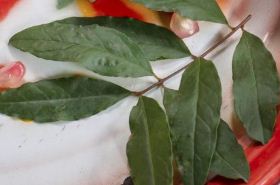
What Exactly Are Pomegranate Leaves in TCM?
The herb discussed here comes from the leaves of the pomegranate tree (Punica granatum L.), the same species that produces the familiar red pomegranate fruit. In TCM theory, pomegranate leaves are said to enter the liver meridian, which roughly corresponds to how the body regulates smooth circulation, detoxification, and certain digestive and skin functions.
Taste, Nature, and Traditional Properties
Taste and nature: Pomegranate leaves are described as sour and astringent, with a warm nature. In practical terms, “astringent” here means they have a tightening and drying effect, especially on the intestines, which is why they’re used for diarrhea.
Channel association: Traditionally said to “enter the liver channel,” they are used to support the body’s detox functions, blood circulation, and the smooth flow of vital energy, which TCM associates with digestive comfort and healthier skin.
How Pomegranate Leaves Are Prepared
In traditional practice, pomegranate leaves are not always used raw. One classic method is to soak the fresh or dried leaves overnight in a thin starch or rice “gruel” water before using them. This is believed to moderate their strength and make them gentler on the digestive system.
Traditional Internal Use and Dosage
Internal use (classic decoction): The usual traditional dose is about 15–30 grams of the dried leaves per day, simmered in water as an herbal tea (a decoction). The liquid is then sipped warm.
Because modern body weights, other medications, and health conditions vary a lot, dosing should always be customized by a qualified practitioner rather than self-prescribed.
Traditional External Use
Pomegranate leaves have also been used on the skin:
- Wash: Boil the leaves in water, let the liquid cool to a comfortable temperature, and use it to wash the affected area.
- Poultice: Fresh leaves can be mashed into a paste and applied directly to the skin, then covered with clean gauze.
Traditionally, these methods were used for certain types of skin eruptions and chronic sores, always on unbroken or only mildly irritated skin.
Main Traditional Functions
According to TCM texts, pomegranate leaves are mainly used for two big roles:
- Astringent to stop diarrhea: They help “lock in” fluids and reduce excessive intestinal movement, which can help with loose stools and some types of acute diarrhea.
- Detox and parasite control: They are thought to help the body clear certain toxins and harmful organisms, especially in the gut and skin.
Traditional Conditions Pomegranate Leaves Are Used For
In traditional Chinese practice, pomegranate leaves have been used for:
- Diarrhea and loose stools: Especially sudden, watery diarrhea that does not stop easily, when accompanied by weakness or feeling “drained.”
- Certain skin eruptions: Historically described as “pustular rashes” or “eruptive sores,” somewhat similar to acne-like or pox-like breakouts.
- Chronic skin lesions: Old texts mention stubborn, scaly, or ulcerated lesions that are slow to heal.
- Minor traumatic injuries: Such as bruises and minor soft-tissue injuries, where the herb is used externally to support circulation and healing.
These uses come from traditional sources and do not replace modern diagnosis or treatment. For any serious infection, high fever, or rapidly spreading rash, urgent medical care is essential.
A Classic TCM Home-Style Formula for Acute Diarrhea
A well-known traditional formula recorded in the National Compilation of Chinese Herbal Medicine uses pomegranate leaves for acute intestinal upset with persistent watery diarrhea:
- Pomegranate tree leaves: 60 grams
- Fresh ginger: 15 grams
- Salt: 30 grams
The ingredients are stir-fried together until they turn dark, then boiled in water. The strained liquid is used like a strong herbal tea and sipped frequently throughout the day.
At the same time, another external method is mentioned: white scallion (the pale part of green onions) and coarse salt are stir-fried until hot, wrapped in a clean cloth, and applied over the abdomen as a warm compress. This is intended to support digestion, comfort abdominal cramping, and promote circulation in the area.
Important: This traditional formula was designed for short-term, acute diarrhea in otherwise relatively stable adults. It is not appropriate for long-term use, for children, for pregnancy, or as a substitute for medical treatment when there is high fever, blood in the stool, severe dehydration, or serious pain.
What Classical and Modern Sources Say
The National Compilation of Chinese Herbal Medicine specifically records pomegranate leaves as a remedy “for acute enteritis,” meaning sudden inflammation of the intestines with diarrhea. This aligns with their astringent and warming profile in TCM.
While most modern scientific studies focus on pomegranate fruit, peel, and flowers rather than the leaves, several findings help explain why the plant as a whole is used for gut and skin support:
- Pomegranate extracts are rich in polyphenols with antioxidant and anti-inflammatory properties, which may support gut and skin health (PMID: 24817901).
- Studies suggest pomegranate components can influence gut microbes and help maintain a more balanced intestinal environment, which fits with its traditional use for digestive upset (PMID: 26051625).
- Pomegranate peel and related parts of the plant have shown activity against certain harmful microbes and parasites in laboratory settings, supporting its traditional “detox and parasite” reputation (PMID: 26567903).
These modern findings do not directly prove all the traditional uses of the leaves themselves but do suggest that the plant family has real biological activity that may partly explain TCM practice.
Safety Tips and Who Should Avoid Pomegranate Leaves
Even though pomegranate leaves are a traditional herb, “natural” does not always mean “safe for everyone.” Here are key safety points:
- Not for self-treatment of serious diarrhea: If you have diarrhea with high fever, blood or mucus in the stool, severe abdominal pain, dehydration, or it lasts more than 24–48 hours, you need medical care, not just herbs.
- Pregnancy and breastfeeding: Do not use pomegranate leaves internally if you are pregnant or breastfeeding unless a qualified TCM practitioner specifically recommends and supervises it.
- Children and elderly: Avoid using this herb in children or frail older adults without professional guidance. Their systems are more sensitive, and dehydration is more dangerous.
- Liver or kidney problems: If you have chronic liver or kidney disease, talk to your medical doctor and a licensed TCM practitioner before using any concentrated herbal decoctions.
- Possible interactions: Pomegranate extracts in general can influence how the body processes certain medications. If you take prescription drugs (especially for blood pressure, heart conditions, or blood thinners), check with your healthcare provider before using herbal pomegranate products regularly.
- Skin sensitivity: When using pomegranate leaves externally, always test a small area first. If you notice increased redness, burning, itching, or rash, wash off immediately and stop using it.
- Short-term use only for acute issues: Traditional use is generally short-term during an acute episode. Long-term, daily use is not recommended without ongoing professional supervision.
How Pomegranate Leaves Fit Into an Overall TCM Approach
In TCM thinking, herbs like pomegranate leaves are rarely the whole solution; they are tools within a larger plan. For acute diarrhea or certain skin issues, a practitioner might also adjust your diet, recommend rest, manage stress, and combine herbs to balance each other’s effects.
Because the same symptom (for example, diarrhea) can come from very different underlying patterns in TCM, a formula that helps one person might aggravate another. That’s why individualized assessment is so important.
3-Second Self-Test + 30-Second Self-Care
3-second self-test:
If you notice that your diarrhea has been going on for more than a day, or you feel weak, dizzy, have a fever, or see blood in your stool, then you should not rely on home remedies or pomegranate leaves alone.
30-second self-care action:
If you’re having mild, short-term loose stools without red-flag symptoms, then immediately: (1) sip clean, warm fluids with a little salt and sugar to stay hydrated; (2) avoid greasy, spicy, or very cold foods; and (3) contact a qualified TCM practitioner or healthcare provider as soon as you can to decide whether a TCM herb like pomegranate leaves is appropriate for your situation.
Disclaimer: For informational purposes only. Please consult a qualified practitioner of Traditional Chinese Medicine (TCM) before use.
References
- National Compilation of Chinese Herbal Medicine (全国中草药汇编). Traditional record of pomegranate leaves for acute enteritis.
- Li Y, et al. Pomegranate extract as a source of polyphenols with antioxidant and anti-inflammatory activity. Food Chem. 2014. (PMID: 24817901)
- Li Z, et al. Effects of pomegranate components on gut microbiota and intestinal health. J Nutr Biochem. 2015. (PMID: 26051625)
- Machado TB, et al. Antimicrobial and antiparasitic activities of pomegranate plant parts. J Ethnopharmacol. 2015. (PMID: 26567903)