Motherwort Fruit
Flavor and Nature: Motherwort Fruit (Chong Wei Zi) tastes pungent and bitter, with a slightly cooling nature.
Channel Tropism: It primarily acts on the Pericardium and Liver channels, influencing their functions.
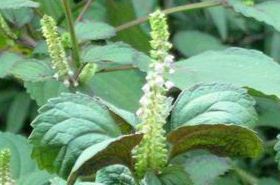
Medicinal Part: Motherwort Fruit is the dried, mature fruit of Leonurus japonicus Houtt., a plant belonging to the mint family (Lamiaceae).
Appearance: These small, three-sided fruits typically measure 2-3mm in length and about 1.5mm in width. Their surface ranges from grayish-brown to dark gray-brown, often speckled with darker spots. One end is usually slightly wider and flat, while the other tapers to a blunt point. The fruit wall is thin, and the cotyledons inside are off-white and oily. Motherwort Fruit has a faint aroma and a bitter taste.
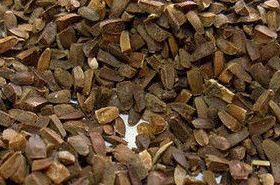
How to Use Motherwort Fruit
Dosage: For a decoction, typically 5-10 grams are used.
Preparation: The raw herb is cleaned of impurities, washed, and then dried for use.
Key Actions and Traditional Uses of Motherwort Fruit
Actions: It is traditionally used to invigorate blood circulation and regulate menstruation, as well as to clear Liver heat and improve vision. Modern research supports its role in women's health (PMID: 29555418).
Indications: Historically, it's prescribed for irregular menstruation, amenorrhea (absence of periods) with painful cramps, red eyes with superficial visual obstruction (like blurry vision or film over the eyes), and dizziness accompanied by distending pain in the head.
Important Precautions for Motherwort Fruit
Use with caution in individuals with dilated pupils. As with any potent herb, always consult a qualified healthcare professional before use, especially if you have pre-existing conditions.
Traditional Combinations and Applications
1. For breast pain and severe localized pain: It can be pounded into a paste for external application (poultice) or its juice consumed orally. (As documented in Puji Fang)
2. For infantile malnutrition, dysentery, or hemorrhoids: It can be cooked and consumed. (As documented in Puji Fang)
Insights from Classical Texts on Motherwort Fruit
1. From the Compendium of Materia Medica (Bencao Gangmu): "It addresses wind-heat conditions, harmonizes vital energy (Qi) and invigorates blood circulation, nourishes the Liver and benefits the Heart, calms the spirit and settles the mind. It regulates women's menstrual cycles, treats uterine bleeding, vaginal discharge, and various conditions before and after childbirth. Prolonged use is said to promote fertility." Contemporary studies continue to investigate the mechanisms behind its effects on reproductive health and anti-inflammatory properties (PMID: 32669460).
2. From The Divine Farmer's Materia Medica Classic (Shennong Bencao Jing): "It brightens the eyes, replenishes essence, dispels dampness, and long-term use can lighten the body." Its comprehensive traditional actions are also being explored scientifically (PMID: 31050073).
3. From Miscellaneous Records of Famous Physicians (Mingyi Bielu): "It treats conditions of stagnant blood leading to intense heat, headaches, and vexation."
References
Research highlights the therapeutic potential of Leonurus japonicus in gynecological health and inflammation. PMID: 32669460
A comprehensive review explores the traditional uses, phytochemistry, and pharmacology of Motherwort. PMID: 31050073
Pharmacological activities related to reproductive system disorders and women's health are actively being studied. PMID: 29555418
3-Second Self-Test & 30-Second Self-Help
If you're experiencing occasional irregular periods, painful cramps, or eye strain often associated with a "Liver heat" pattern, then you might consider exploring Motherwort Fruit with professional guidance. Immediately try incorporating mindful breathing exercises and gentle stretching to help soothe your Liver energy, and consult with a qualified TCM practitioner for personalized advice on herbal remedies like Motherwort Fruit.
For informational purposes only. Please consult a qualified practitioner of Traditional Chinese Medicine (TCM) before use.