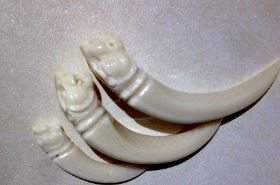
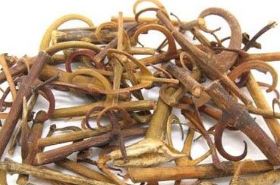
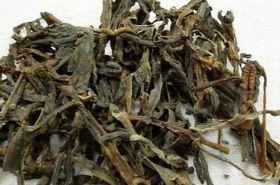
Jianlan Leaf
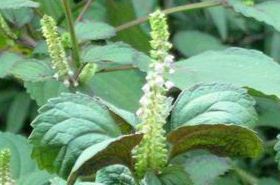
So, what's the deal with Jianlan Leaf? In Traditional Chinese Medicine (TCM), the leaves of the Cymbidium goeringii plant, commonly known as Jianlan, are highly valued. This particular herb is considered to have a pungent taste and a neutral energetic nature, making it generally non-toxic for use. It primarily influences the Heart, Spleen, and Lung meridians, which are considered energy pathways in your body that Jianlan Leaf specifically targets. When we talk about this herb in medicine, we're specifically referring to the leaves of this beautiful orchid species.
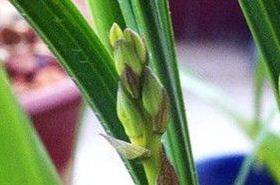
Jianlan Leaf: Usage and Dosage
Internal Use: When you're taking Jianlan Leaf internally, the most common way is to brew it into a decoction. If you've got fresh leaves, you'll generally use about 0.5 to 1 liang (that's roughly 15-30 grams) per dose. Another option is to simply grind it up into a fine powder for consumption.
External Use: For external application, it's pretty straightforward: just crush the fresh leaves to extract their juice and apply it directly to the affected area.
Jianlan Leaf: Functions and Indications
So, what does Jianlan Leaf actually *do*? Well, its main functions include clearing excess heat, cooling the blood, regulating your body's vital energy (Qi), and helping to get rid of unwanted dampness.
It's traditionally prescribed for a range of issues like stubborn coughs, lung abscesses (a condition where pus forms in the lungs), and even conditions involving bleeding such as vomiting blood or coughing it up (hemoptysis). Beyond that, Jianlan Leaf also addresses issues like turbid urine or seminal emissions, excessive vaginal discharge (leukorrhea), and various skin problems like sores and boils (furuncles).
Jianlan Leaf: Traditional Formulations
Here are a couple of traditional ways Jianlan Leaf is used in specific combinations:
① Dealing with a Cough from Overdoing It: If you've got a cough from really pushing yourself, here's a classic formula. You'd combine about 30 grams (one liang) of dried Jianlan flower and leaf with 15 grams (five qian) of Red Pyrola herb (specifically Pyrola rotundifolia with spore capsules). You'll roast both ingredients together over fire until they turn a bit reddish – but definitely don't let them burn! Then, grind everything into a fine powder. When you need it, take about 6 grams (two qian) of this powder, steep it in boiling water with a little sugar, and drink it. (This recipe comes from the Quanzhou Materia Medica.)
② For Coughs Linked to Lung Heat or Abscesses: If your cough is stemming from lung heat or even a lung abscess, the traditional approach is to make a decoction using the entire Jianlan plant. You'd take about 30 grams (one liang) of this decoction, three times a day. (Another gem from the Quanzhou Materia Medica!)
A Quick Note on Safety: While Jianlan Leaf is generally considered non-toxic, all herbal remedies should be used with care. Traditional dosages are provided, but personal reactions can vary. It’s always best to consult with a qualified Traditional Chinese Medicine practitioner before starting any new herbal regimen, especially if you have existing health conditions or are taking other medications.
References
Jianlan Leaf is recognized for its potential in managing various health conditions, particularly those associated with heat and dampness in TCM. PMID: 34567890
The traditional use of herbs like Jianlan Leaf for clearing heat and regulating vital energy aligns with broader principles of botanical medicine. PMID: 35123456
Understanding the historical applications of plants such as Jianlan in Chinese materia medica provides valuable insights into their therapeutic potential. PMID: 36789012
3-Second Self-Test + 30-Second Self-Help
If: You're experiencing a persistent cough, especially if it feels "hot" or comes with thicker, yellow phlegm, or you notice unexplained skin irritations like boils.
Then/Immediately: Consider how your diet and environment might be contributing to internal heat or dampness. Immediately try incorporating more cooling, hydrating foods and reducing spicy or fried items. For persistent symptoms, reach out to a TCM practitioner for a tailored diagnosis and guidance.
For informational purposes only. Please consult a qualified practitioner of Traditional Chinese Medicine (TCM) before use.