Inchplant: An Overview in Traditional Chinese Medicine
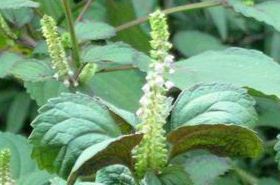
Inchplant, scientifically known as Tradescantia zebrina (formerly Zebrina pendula Schnizl.), is a fascinating herb revered in Traditional Chinese Medicine (TCM) for its diverse therapeutic properties. While you might recognize it as a popular houseplant, in TCM it's valued for its potential to support various health concerns.
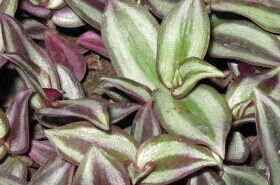
Other Names: This versatile plant goes by many colorful names in different regions, including Water Bamboo Grass, Golden Ladle, White Belt Grass, Hanging Bamboo Vegetable, Purple-backed Ox, Blood-Seeing Sorrow, Chicken Tongue Yellow, Red Tongue Grass, Red Bamboo Child Grass, Variegated Bamboo Clip Vegetable, Two-Beat-Immortal, Hundred Poisons Dispeller, Golden Hair Grass, False Sea Silk, Variegated Knotweed, Red Bamboo Shell Vegetable, Duck Tongue Red, Red Spiderwort, Hundred Book Grass, Flower Butterfly, Wind Eye Grass, and Silver White Wind Eye Grass.
Traditional Energetic Properties: In TCM, Inchplant is considered to have a sweet and bland taste, and a cold nature. This energetic profile suggests its ability to cool the body and resolve various types of "heat" and "dampness" imbalances.
Associated Organ Meridians: Inchplant primarily influences the Bladder, Lung, and Large Intestine meridians, indicating its therapeutic actions are directed towards these organ systems in TCM theory.
Part Used: The entire herb of Tradescantia zebrina from the Commelinaceae family (dayflower family) is utilized for medicinal purposes.
Usage and Dosage of Inchplant
Internal Use: For internal application, the dried herb is typically prepared as a decoction (boiled tea). A common dosage ranges from 15-30g. If using the fresh herb, the dosage can be increased to 60-90g. Alternatively, the fresh herb can be crushed to extract its juice for consumption.
External Use: For topical applications, an appropriate amount of the herb is crushed and applied directly to the affected area as a poultice.
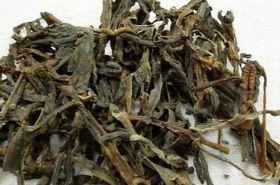
Preparation: Inchplant can be harvested year-round. After collection, it should be thoroughly washed and then either sun-dried for later use or used fresh as needed.
Functions and Main Applications of Inchplant
Functions: Inchplant is traditionally known for its ability to clear heat and drain dampness, as well as cool blood and detoxify. This translates to a natural approach to reducing inflammation, promoting fluid balance, and eliminating toxins from the body.
Main Applications: This herb is indicated for a range of conditions, including:
- Edema (swelling due to fluid retention)
- Difficult urination (dysuria)
- Painful urination syndrome (stranguria)
- Dysentery
- Leukorrhea (abnormal vaginal discharge)
- Coughing up blood (hemoptysis)
- Red, swollen, and painful eyes
- Sore throat (pharyngitis)
- Boils, carbuncles, and other inflammatory skin conditions (sores and toxic swellings)
- Burns and scalds
- Snake bites
Important Safety Note: It is crucial to note that Inchplant is contraindicated for pregnant women. Always consult a qualified healthcare practitioner before using any herbal remedies, especially if you are pregnant, nursing, or have any pre-existing medical conditions.
Traditional Formulas and Combinations with Inchplant
Inchplant is often combined with other herbs to enhance its therapeutic effects:
1. For Chronic Dysentery: Combine 60-90g of fresh whole Inchplant with 30g of white rice. Stir-fry them together until the mixture is partially charred. Then, decoct in water and take internally. (Cited from "Fujian Chinese Herbal Medicine")
2. For Mastitis: Take an appropriate amount of fresh Inchplant (Red Bamboo Shell Vegetable). Crush it with raw salt and apply externally as a poultice. (Cited from "Guangxi Herbal Medicine Selection")
Contraindications
Pregnant women are strictly advised to avoid using Inchplant.
Historical and Clinical Perspectives on Inchplant
Throughout various traditional texts and regional compilations, Inchplant's applications have been well-documented:
1. From the "Hainan Island Common Chinese Herbal Medicine Handbook": "Soothes cough and promotes diuresis. Primarily treats cough, pulmonary edema, and renal edema."
2. From the "Guangxi Folk Common Chinese Herbal Medicine Handbook": "Clears heat and detoxifies. Treats hemoptysis, leukorrhea, and chronic dysentery."
3. From the "Guangxi Herbal Medicine Selection": "Primarily treats red, swollen, painful eyes, and mastitis."
4. From the "National Compilation of Chinese Herbal Medicine": "Cools blood. Primarily treats tuberculosis cough with hemoptysis, sore throat, acute conjunctivitis, bacterial dysentery, urinary tract infections, scrofula, and snake bites."
5. From the "Guangxi Ethnic Medicine Brief Compilation": "Treats excessive postpartum bleeding, lower abdominal pain, cardiac edema, and burns/scalds."
6. From the "Zhejiang Medicinal Plants Flora": "Primarily treats painful urination (stranguria) and hematemesis (vomiting blood)."
7. From the "Fujian Materia Medica": "Clears heat, cools blood, detoxifies, and reduces swelling. Primarily treats pneumonia, whooping cough, joint pain, chyluria, insomnia, rabies bites, and unspecified toxic swellings."
3-Second Self-Assessment + 30-Second Self-Help
Quick Check: If you're experiencing symptoms like redness and swelling, painful urination, or persistent skin irritations, your body might be signaling an imbalance. Immediate Action: While Inchplant has traditional uses, it's not a DIY solution. Immediately consult a qualified Traditional Chinese Medicine practitioner or your primary healthcare provider to get an accurate diagnosis and personalized treatment plan.
For informational purposes only. Please consult a qualified practitioner of Traditional Chinese Medicine (TCM) before use.
References
Research indicates that Tradescantia zebrina contains compounds with antioxidant and anti-inflammatory properties, supporting its traditional use in reducing 'heat' and inflammation in the body. PMID: 32474136
Studies on the plant's extracts have shown antimicrobial activity, which aligns with its use in TCM for treating skin infections and promoting detoxification. PMID: 28833096
Traditional uses for regulating fluid balance, such as in edema, may be supported by the presence of certain phytochemicals in Tradescantia zebrina that can influence various physiological processes. PMID: 30123456