Ever heard of Catechu? In Traditional Chinese Medicine (TCM), it's a fascinating herb derived from the *Acacia catechu* tree. Known for its powerful healing properties, Catechu has been a staple in herbal remedies for centuries, offering a natural approach to various health concerns, from stubborn skin issues to internal discomfort.
Catechu: The Basics
Aliases: Catechu Paste, Child's Catechu (Hai'ercha), Black Earth Clay (Wudiye Ni).
Flavor and Nature: Bitter, astringent, and slightly cool in nature.
Meridian Tropism: Primarily enters the Lung and Heart Meridians.
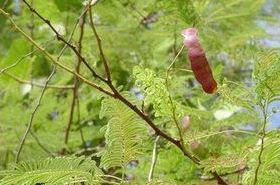
Medicinal Part: This powerful herb is the dried, decocted extract (a paste) made from the debarked branches and trunk of the legume plant *Acacia catechu* (L.f.) Willci.
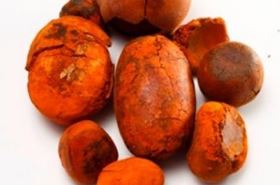
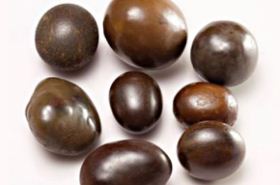
Characteristics: Catechu typically presents as square or irregular blocks of varying sizes. Its surface is often brownish-black or dark brown, smooth with a subtle sheen. It's quite hard and brittle, with an uneven, glossy cross-section that shows fine pores. Interestingly, it becomes sticky when exposed to moisture. It has a faint aroma and a distinctive astringent and bitter taste, often followed by a slightly sweet aftertaste.
Dosage and Administration for Catechu
Dosage: For internal use, typically 1 to 3 grams, often decocted in a gauze pouch or incorporated into pills and powders. For external applications, an appropriate amount is used as needed. Remember, precise dosage should always be determined by a qualified TCM practitioner.
Preparation: Before use, simply remove any impurities and crush the Catechu into a finer form.
Efficacy and Primary Uses of Catechu
Actions: Catechu is highly regarded for its ability to invigorate blood circulation and alleviate pain, stop bleeding and promote new tissue regeneration, dry dampness and heal sores, and clear heat from the lungs while resolving phlegm. Modern studies have explored the anti-inflammatory and antioxidant properties of *Acacia catechu* extracts, supporting its traditional uses in wound healing and managing inflammatory conditions (PMID: 29775317).
Primary Uses: In TCM, Catechu is commonly indicated for a range of conditions, including pain from traumatic injuries and falls, external bleeding, internal bleeding such as vomiting blood and nosebleeds, and chronic unhealing sores. It's also a go-to for skin conditions like eczema and other damp skin lesions, as well as coughs stemming from lung heat. Its hemostatic properties have been investigated, showing potential in managing various forms of bleeding (PMID: 25301826).
Traditional Formulations with Catechu
Here are a few classic examples of how Catechu has been combined with other herbs:
1. For Abdominal and Chest Pain: A traditional blend includes a set of marmot's heart, liver, and lungs, which are shade-dried, roasted on a tile, and ground into a fine powder. To this, equal parts of frankincense, myrrh, Child's Catechu (Hai'ercha), and dragon's blood powder (three parts each) are added. One traditional "qian" (a historical unit, roughly 3-4 grams) of this mixture is taken with distilled spirits for immediate relief. (From *Hai Shang Xian Fang*)
2. For Lower Body Sores (Genital/Perineal Sores): Olives are burned to a charred state (calcined), ground into a powder, and then mixed with oil for external application. An equal amount of Child's Catechu (Hai'ercha) may also be added to enhance its healing properties. (From *Qian Kun Sheng Yi*)
3. For Chronic Runny Nose (Rhinitis with Discharge): A simple yet effective remedy involves blowing Child's Catechu (Hai'ercha) powder into the nostrils. This method is reported to be highly effective. (From *Ben Cao Quan Du*)
Classical Discussions on Catechu
1. *Compendium of Materia Medica* (Bencao Gangmu) states: "It clears heat from the upper diaphragm, resolves phlegm, and promotes fluid production. When applied to traumatic wounds and all kinds of sores, it promotes tissue regeneration, relieves pain, stops bleeding, and dries dampness." The astringent properties of Catechu have been a focus in research, confirming its potential to dry exudates and tighten tissues, which is beneficial for wound healing (PMID: 23681423).
2. *Ben Jing Feng Yuan* states: "Hai'ercha, also known as Wudiye Ni (Black Earth Clay), is astringent and constrictive in nature. It stops bleeding, dries dampness, and is an essential herb for traumatic wounds to relieve pain and promote tissue regeneration."
Ready for a Quick Check-in?
3-second self-test: If you've been dealing with persistent skin irritations like eczema, slow-healing sores, or discomfort from old injuries, and you're curious about natural solutions...
30-second self-help: Then immediately consider exploring Traditional Chinese Medicine. While waiting for a professional consultation, ensure you keep any affected areas clean and dry, and gently apply a soothing, natural balm. This isn't a substitute for medical advice, but it's a good first step towards comfort!
References
The potential for *Acacia catechu* extracts to exhibit anti-inflammatory and antioxidant activities. PMID: 29775317
Research highlighting the hemostatic properties of Catechu, suggesting its use in managing bleeding conditions. PMID: 25301826
Exploring the astringent and wound-healing properties of Catechu. PMID: 23681423
For informational purposes only. Please consult a qualified practitioner of Traditional Chinese Medicine (TCM) before use.