Jackfruit Leaf
Ever heard of Jackfruit Leaf? In Traditional Chinese Medicine (TCM), it's a valuable part of the jackfruit plant (Artocarpus heterophyllus Lam.) recognized for its medicinal properties.
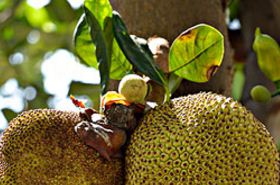
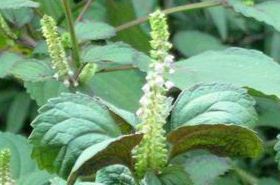
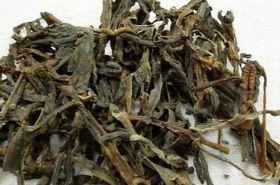
Imagine a sturdy leaf, often curling in on itself lengthwise. When you gently flatten it out, you'll see an oval to obovate shape, typically measuring 7-25 cm long and 3-12 cm wide. The tip might be a bit blunt or gently pointed, and the base often tapers down slightly. Its edges are smooth all around. On top, it presents a green to grayish-green hue with a subtle sheen, while the underside is usually greener to yellowish-gray, revealing clearly distinct veins. The central vein noticeably protrudes on both surfaces. Its stalk is about 2-3 cm long. The leaf itself feels leathery but can be quite brittle. It carries a faint aroma and a mild taste.
How to Use Jackfruit Leaf
So, how do you actually use this incredible leaf? It's primarily intended for external application. You'd typically take an appropriate amount, grind it into a fine powder, and then either sprinkle it directly onto the affected area or mix it into a paste for topical application. Remember, it's always wise to consult a qualified Traditional Chinese Medicine practitioner before using any herbal remedies, especially for existing skin conditions or open wounds.
The Power of Jackfruit Leaf: Benefits and Indications
In TCM, Jackfruit Leaf is celebrated for its ability to invigorate blood circulation and reduce swelling, as well as to detoxify and promote wound healing. These properties make it a versatile remedy for various external ailments.
It's traditionally used for conditions like traumatic injuries, such as sprains, bruises, and contusions (跌打损伤). It's also applied to address various sores and boils (疮疡疖肿), and even for stubborn skin conditions like eczema (湿疹). These applications highlight its role in soothing inflammation and supporting the body's natural healing processes. Modern research often explores how traditional herbs contribute to similar outcomes. For instance, the general principles of Chinese herbal medicine for promoting blood circulation and resolving stasis are well-documented in treating various pathological conditions related to trauma and swelling (PMID: 30129780).
The anti-inflammatory and detoxifying aspects are crucial for its use in skin ailments. Traditional Chinese Medicine approaches to skin conditions like eczema frequently involve herbal remedies aimed at clearing heat, dispelling dampness, and resolving toxins, aligning with the observed effects of Jackfruit Leaf (PMID: 29334812).
Historical Insights on Jackfruit Leaf
The traditional wisdom surrounding Jackfruit Leaf isn't a new discovery. Historical texts confirm its long-standing use in herbal practices:
1. The authoritative "Chinese Tree Taxonomy" (《中国树木分类学》) notes that "the leaves are ground into powder and heated for application on wounds." This historical account strongly supports its ancient use in topical wound care, indicating a long-held understanding of its healing potential.
2. Further solidifying its reputation, the "Guangxi Herbal Medicine Records" (《广西药植名录》) explicitly states that it "treats ulcers." This historical mention underscores its traditional application for addressing various skin lesions and sores. The broad utility of plant-based remedies for wound care across cultures and throughout history is a testament to their efficacy (PMID: 26343512).
3-Second Self-Check + 30-Second Self-Help
If you're dealing with a minor bruise, swelling, or localized skin irritation, and looking for a traditional external remedy, Then Immediately consider if Jackfruit Leaf, as described, aligns with your needs. For minor, non-severe issues, you might explore it under professional guidance. However, for open wounds, severe inflammation, or persistent skin conditions, always consult a healthcare professional first.
For informational purposes only. Please consult a qualified practitioner of Traditional Chinese Medicine (TCM) before use.
References
Traditional Chinese herbal medicine has long been studied for its effects on blood circulation and healing processes. PMID: 30129780
The role of Traditional Chinese Medicine in managing inflammatory skin conditions like atopic dermatitis has been extensively reviewed. PMID: 29334812
Ethnomedicinal plants, including those used in TCM, have been widely documented for their wound-healing properties across various cultures. PMID: 26343512