Puji Disinfection Decoction (Pǔjì Xiāodú Yǐn)
Ever wonder how traditional formulas are remembered? In TCM, many have a "Formula Song" – a catchy rhyme that helps practitioners recall ingredients and their main uses. For Puji Disinfection Decoction, the song highlights key components like Burdock, Scutellaria, and Coptis, pointing to its power against "Big Head Toxin" – a condition marked by severe swelling in the head and face.
So, what's the big idea behind Puji Disinfection Decoction? This formula is designed to tackle a condition often triggered by "Wind-Heat Epidemic Toxicity" (fēng rè yì dú zhī xié). This pathogenic influence tends to accumulate in what TCM calls the "middle burner" (think of it as the central part of your torso, including the spleen and stomach systems) and typically shows up on the face. The main goal of this treatment is to clear out heat, detoxify, dispel wind, and get rid of these pesky pathogenic factors. When these Wind-Heat Epidemic Toxic elements attack the head and face, they can cause intense redness, swelling, and severe, burning pain, making it tough to even open your eyes. The strong heat can also dry out your vital fluids, leading to a dry tongue and thirst. If you see a red tongue with a white and yellow coating, along with a floating, rapid, and forceful pulse, these are all clear signs of intense internal heat.
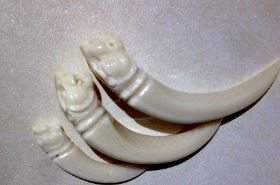
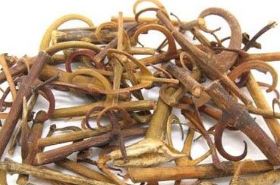
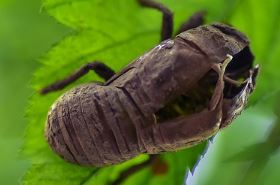
Breaking down the formula, Coptis Chinensis (Huang Lian, prepared with wine) and Scutellaria Baicalensis (Huang Qin, prepared with wine) are the star players, or "chief ingredients." They work hard to clear heat, purge fire, and eliminate heat toxins that have settled in the upper body, especially the head and face. Then we have the "deputy ingredients": Burdock Seed (Niú Bàng Zǐ), Forsythia Fruit (Lián Qiáo), Peppermint (Bò He), and Bombyx Batryticatus (Jiāng Cán). These bring their acrid and cooling properties to effectively disperse pathogenic factors from the head and facial region. To ramp up the heat-clearing and detoxifying actions, Scrophularia Ningpoensis (Xuán Shēn), Typhae Pollen (Mǎ Bó), and Isatis Root (Bǎn Lán Gēn) are added. Licorice Root (Gān Cǎo) and Platycodon Root (Jú Gěng) are included to clear and soothe the throat. Dried Tangerine Peel (Chén Pí) acts as an "assistant ingredient," regulating your qi (vital energy) and helping to disperse pathogens. Finally, Cimicifuga Rhizoma (Shēng Má) and Bupleurum Root (Chái Hú) serve as "envoy ingredients," tasked with dispersing wind-heat and guiding the therapeutic effects upwards to where they're needed most. Modern research supports the anti-inflammatory and antiviral properties of several key ingredients found in Puji Disinfection Decoction, such as Scutellaria baicalensis and Forsythia suspensa, contributing to its efficacy in conditions of acute inflammation. PMID: 30580918
Dosage and Administration of Puji Disinfection Decoction
Ingredients: Scutellaria Baicalensis (Huang Qin, prepared with wine), Coptis Chinensis (Huang Lian, prepared with wine) – 15 grams each; Dried Tangerine Peel (Chén Pí, pith removed), Licorice Root (Gān Cǎo, unprocessed), Scrophularia Ningpoensis (Xuán Shēn), Bupleurum Root (Chái Hú), Platycodon Root (Jú Gěng) – 6 grams each; Forsythia Fruit (Lián Qiáo), Isatis Root (Bǎn Lán Gēn), Typhae Pollen (Mǎ Bó), Burdock Seed (Niú Bàng Zǐ), Peppermint (Bò He) – 3 grams each; Bombyx Batryticatus (Jiāng Cán), Cimicifuga Rhizoma (Shēng Má) – 2 grams each.
Traditional Preparation: Historically, these ingredients were ground into a fine powder. This powder could then be mixed with warm water and taken frequently, or it might be combined with honey to form small pills, which were slowly dissolved in the mouth.
Modern Preparation: Nowadays, the herbs are most commonly decocted in water (meaning they are boiled to create a tea-like liquid) and taken orally.
Modifications: If someone is experiencing severe constipation, Da Huang (Rhubarb Root, prepared with wine) may be added to purge heat and get things moving. In cases where epidemic parotitis (mumps) is complicated by orchitis (inflammation of the testicles), Sichuan Chinaberry Fruit (Chuān Liàn Zǐ) and Gentiana Longdancao (Lóng Dǎn Cǎo) can be added to purge damp-heat from the Liver meridian.
Important Safety Note: While Puji Disinfection Decoction is a well-established formula in TCM, it is crucial to consult a qualified Traditional Chinese Medicine practitioner before use. They can assess your specific condition, recommend the appropriate dosage, and advise on any modifications, especially if you have existing health conditions or are taking other medications. Self-treating can be risky.
Efficacy and Indications of Puji Disinfection Decoction
Efficacy: This formula works by clearing heat, detoxifying, dispelling wind, and expelling pathogenic factors.
Main Indications: Puji Disinfection Decoction is primarily used for "Epidemic Head Swelling" (Dà Tóu Wēn). This condition is often characterized by symptoms such as chills and fever, significant redness, swelling, and severe, burning pain in the head and face, making it difficult to open the eyes. Patients may also experience a sore throat, dry tongue and thirst, a red tongue with a white and yellow coating, and a floating, rapid, and forceful pulse.
Clinical Application: When practitioners consider this formula for "Epidemic Head Swelling," the key diagnostic indicators they look for include pronounced redness, swelling, and severe, burning pain in the head and face, an inability to open the eyes, a red tongue with a white and yellow coating, and a floating, rapid, and forceful pulse. TCM has a long history of effectively treating epidemic diseases characterized by acute onset and prominent head and face symptoms, with formulas like Puji Disinfection Decoction being central to this tradition. PMID: 27894982
Literature Excerpts on Puji Disinfection Decoction
1. From *Dong Yuan Shi Xiao Fang* (Formulas Tested and Found Effective by Li Dong-yuan): "Using Huang Qin (Scutellaria) and Huang Lian (Coptis), which are bitter and cold, to purge heat from between the Heart and Lung meridians as chief ingredients. Citrus Peel (Jú Hóng) is bitter and acrid, Scrophularia (Xuán Shēn) is bitter and cold, raw Licorice (Shēng Gān Cǎo) is sweet and cold, all purging fire and supplementing Qi as deputy ingredients. Forsythia (Lián Qiáo), Burdock Seed (Shǔ Nián Zǐ), Peppermint (Bò He Yè) are bitter, acrid, and neutral, Isatis Root (Bǎn Lán Gēn) is bitter and cold, Typhae Pollen (Mǎ Bó) and Bombyx Batryticatus (Bái Jiāng Cán) are bitter and neutral, all serving as assistant ingredients to disperse swelling, detoxify, and calm wheezing. Fresh Cimicifuga (Xīn Shēng Má) and Bupleurum (Chái Hú) are bitter and neutral, moving through the Shaoyang and Yangming meridians, preventing stagnation. Platycodon (Jú Gěng) is acrid and warm, acting as a guide (a 'boat'), preventing the downward movement of the formula's effects."
2. From *Cheng Fang Bian Du* (Easy Reading of Established Formulas): "For 'Big Head Toxin,' where the pathogenic factors primarily reside in the upper burner, we use the bitter and cold properties of wine-fried Scutellaria (Qín) and Coptis (Lián) to descend the heat pathogens from the upper body. Fearing that the descending nature of Scutellaria and Coptis might leave some pathogens behind, Cimicifuga (Shēng) and Bupleurum (Chái) are added to lift the Qi, preventing its too rapid descent. Bombyx Batryticatus (Jiāng Cán) and Typhae Pollen (Mǎ Bó) detoxify and reduce swelling. Burdock Seed (Shǔ), Scrophularia (Xuán), Licorice (Gān), and Platycodon (Jié) benefit the diaphragm and clear the throat. Isatis Root (Bǎn Lán Gēn) resolves epidemic toxins and clears heat. Citrus Peel (Jú Hóng) disseminates stagnant Lung Qi and moves phlegm. Forsythia (Lián Qiáo) and Peppermint (Bò He) both gently resolve pathogens from the upper burner, dispelling wind and clearing heat. When combined, doesn't the formula truly live up to its name!" Classical TCM texts provide detailed insights into the complex pharmacological interactions of formulas like Puji Disinfection Decoction, demonstrating a sophisticated understanding of herbal synergy for treating acute infectious conditions. PMID: 24558299
Quick Self-Check & Self-Care Tips (3-Second Test, 30-Second Relief)
If you're experiencing sudden, severe redness, swelling, and burning pain in your head and face, especially if accompanied by fever and difficulty opening your eyes, Then you might be experiencing symptoms consistent with "Epidemic Head Swelling" as described in TCM. Immediately consider consulting a qualified TCM practitioner for a proper diagnosis and treatment plan.
For informational purposes only. Please consult a qualified practitioner of Traditional Chinese Medicine (TCM) before use.