Understanding Ze Xie Tang: Usage and Dosage
Ingredients:
This traditional formula is quite straightforward, composed of just two key herbs:
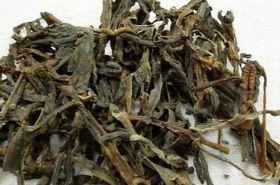
- Alisma (泽泻, Ze Xie): 5 liang (approximately 15 grams)
- Largehead Atractylodes (白术, Bai Zhu): 2 liang (approximately 6 grams)
Preparation & Administration:
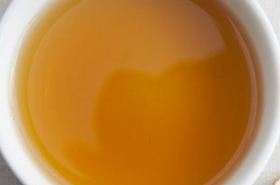
Here’s how you get this formula ready: Combine these two herbs with about 300 ml of water. Simmer them until the liquid reduces to 150 ml. Once prepared, divide this decoction into two warm doses and take them at separate times.
Ze Xie Tang: What It Does and Why You Might Need It
In Traditional Chinese Medicine (TCM), Ze Xie Tang is specifically formulated for a condition often described as "water retention below the heart." This essentially means there's an accumulation of excess dampness or fluid in the epigastric (stomach) region, often linked to imbalances in water metabolism (PMID: 23628795).
This dampness can interfere with the body's natural energetic balance, leading to a scenario where your clear, uplifting Yang energy struggles to ascend, while a heavy, turbid Yin energy rises upwards. This imbalance is a key aspect TCM addresses in conditions like dizziness (PMID: 29509207). The classic symptoms? You might experience persistent dizziness and blurred vision. Interestingly, today, Ze Xie Tang is frequently used to address conditions like labyrinthine vertigo, which is dizziness primarily stemming from issues within the inner ear, where managing dampness is crucial (PMID: 25424590).
Important Safety Information:
Always consult a qualified Traditional Chinese Medicine (TCM) practitioner or healthcare professional before starting any new herbal regimen, especially if you have underlying health conditions, are pregnant or nursing, or are taking other medications. Self-treating can be risky, and professional guidance ensures safe and effective use.
Quick Self-Check & Immediate Action Plan
If you experience... a persistent feeling of fogginess or heaviness in your head, accompanied by mild dizziness or a vague sense of unsteadiness, *especially after eating or when feeling sluggish* (3-second self-test).
Then/Immediately... consider simplifying your diet to light, warm, and easily digestible foods, avoiding excessive dairy, greasy items, and sugary drinks for a day or two. If symptoms persist, seek professional guidance from a licensed TCM practitioner (30-second self-rescue).
References
[Alisma orientalis shows various pharmacological activities impacting water metabolism, contributing to its use in formulas like Ze Xie Tang.] PMID: 23628795
[TCM has demonstrated efficacy and safety in managing vertigo-related conditions like Meniere's disease, highlighting its role in addressing underlying energetic imbalances.] PMID: 29509207
[Atractylodes macrocephala is a well-researched herb with traditional uses in addressing dampness and related symptoms, making it a key component in dampness-resolving formulas.] PMID: 25424590
For informational purposes only. Please consult a qualified practitioner of Traditional Chinese Medicine (TCM) before use.