Wuji Wan: Rebalancing Your Digestion the Traditional Chinese Medicine Way
Ever felt that uncomfortable burning in your stomach, a bitter taste in your mouth, or annoying acid reflux? In Traditional Chinese Medicine (TCM), these common digestive woes are often linked to a pattern known as "Liver Fire invading the Stomach." This isn't about your physical liver being on fire, but rather an imbalance where the Liver system's natural flow (responsible for smooth qi and emotional regulation) becomes stagnant and generates heat, then interferes with the Stomach's ability to process food and move qi downwards.
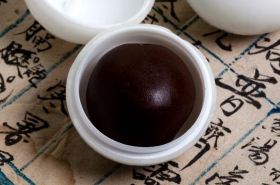
Enter Wuji Wan, a classic herbal formula specifically designed to address this energetic conflict. It aims to soothe that agitated Liver energy while calming and harmonizing the Stomach, bringing your digestive system back into a more peaceful balance.
Understanding the Wisdom Behind Wuji Wan: How it Works
Wuji Wan's strength lies in its carefully chosen ingredients, working synergistically to tackle the root causes of digestive discomfort:
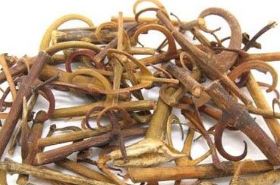
- Coptis (Huang Lian): This powerful herb is the cornerstone of the formula. In TCM, it's known for its ability to "clear and drain Liver Fire." This means it helps to soothe the excessive heat and agitation associated with the Liver system, which, when calmed, can no longer overact on the Stomach. Furthermore, Coptis excels at clearing "Stomach Fire," which translates to reducing inflammation and excessive acidity in the stomach. By addressing both the Liver and Stomach, Coptis offers a comprehensive approach to easing symptoms like acid reflux and burning pain (A review highlighted berberine, a key compound in Coptis, for its beneficial gastrointestinal effects, including anti-inflammatory properties [PMID: 32247960]).
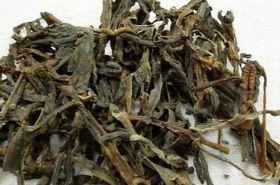
- White Peony Root (Bai Shao): This herb plays a crucial role in harmonizing the internal environment, easing muscle spasms, and relieving pain. It supports the Liver's function, helping to relax tension and soothe discomfort in the digestive tract.
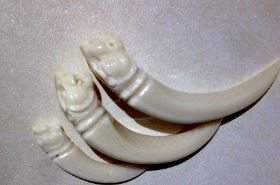
- Evodia Fruit (Wu Zhu Yu): Used in a smaller amount, Evodia is a pungent and warm herb with a strong ability to move energy downwards and disperse stagnation. It assists Coptis in guiding rebellious stomach qi downwards, preventing symptoms like vomiting and acid regurgitation. Crucially, its warm nature helps to balance the extremely cold properties of Coptis, ensuring the formula isn't overly chilling to the digestive system and enhancing overall comfort (Research supports Evodia's potential in regulating gastrointestinal motility, contributing to digestive harmony [PMID: 26827055]).
Together, these herbs employ a classic TCM strategy known as "pungent-opening and bitter-descending." This means the formula uses pungent herbs to gently open up stagnation and promote flow, while bitter herbs clear heat and guide rebellious qi downwards. By simultaneously clearing heat and dispelling stagnation, Wuji Wan effectively treats both the Liver and Stomach systems, leading to a resolution of various uncomfortable symptoms.
Wuji Wan: Dosage and Administration
For those considering Wuji Wan, here are the typical guidelines for its use:
- Ingredients: Coptis (Huang Lian), Evodia (Wu Zhu Yu, prepared), White Peony (Bai Shao, stir-fried).
- Usage: For oral administration, typically take 3 to 6 grams per dose, twice daily.
Always follow the specific instructions provided by your qualified practitioner, as dosages may vary based on individual needs and the specific preparation of the formula.
What Wuji Wan Can Do For You: Indications and Benefits
Wuji Wan is primarily indicated for symptoms arising from "Liver Fire invading the Stomach" or a general disharmony between the Liver and Stomach. If you experience any of the following, Wuji Wan might be a suitable option for you:
- Burning pain in the upper abdomen (epigastrium): A key symptom of excess heat.
- Bitter taste in the mouth: Often associated with Liver Fire.
- Acid reflux with internal agitation or unease: The feeling of acid rising, accompanied by a restless or uncomfortable sensation.
- Vomiting and acid regurgitation: When the stomach's natural downward flow is disrupted by rebellious qi.
- Abdominal pain and diarrhea: Indicating irritation and disharmony within the digestive tract (White Peony, a component of Wuji Wan, has been studied for its effects on the digestive system, including potential to alleviate abdominal pain [PMID: 28410058]).
Quick Self-Check: Is Wuji Wan Right for You?
If you often experience burning pain in your upper abdomen, a bitter taste in your mouth, frequent acid reflux, or occasional abdominal discomfort accompanied by loose stools, then Wuji Wan might be a formula to discuss with your TCM practitioner.
Immediately: To help manage these symptoms while seeking professional advice, try to avoid overly spicy or greasy foods, manage stress through gentle exercise or meditation, and ensure you eat at regular times.
References
Berberine and Coptis chinensis demonstrate promising gastrointestinal effects. PMID: 32247960
Evodia rutaecarpa has shown regulatory effects on gastrointestinal motility. PMID: 26827055
Paeonia lactiflora exhibits various pharmacological effects on the digestive system. PMID: 28410058
For informational purposes only. Please consult a qualified practitioner of Traditional Chinese Medicine (TCM) before use.