San Zi Yang Qin Tang
Formula Rhyme: San Zi Yang Qin, the phlegm-clearing blend, Mustard, Perilla, Radish, together they transcend. For stubborn constipation, add some ripened honey, In winter's cold embrace, ginger adds more money.
Formula Interpretation: This formula was originally designed for elderly individuals experiencing chronic cough, rebellious Qi, and phlegm accumulation. As we age, the middle Jiao (digestive system) can weaken, impairing its ability to absorb and transform nutrients. This often leads to food stagnation and the generation of phlegm. When phlegm becomes excessive and obstructs the lungs, the lungs lose their proper disseminating and descending functions. This can manifest as cough with wheezing, abundant phlegm, chest congestion, reduced appetite, and poor digestion. The therapeutic principle is to warm the lungs, transform phlegm, descend Qi, and resolve food stagnation. In this formula, White Mustard Seed (Bai Jie Zi) warms the lungs, transforms phlegm, promotes Qi circulation, and dispels masses. Perilla Seed (Su Zi) descends Qi, transforms phlegm, stops cough, and calms wheezing. Radish Seed (Lai Fu Zi) resolves food stagnation, guides down Qi, and eliminates phlegm.
How to Use San Zi Yang Qin Tang
Composition: Perilla Seed (Zi Su Zi), White Mustard Seed (Bai Jie Zi), Radish Seed (Lai Fu Zi), 9g each.
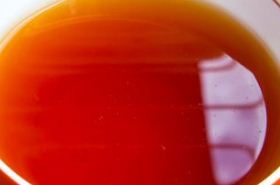
Preparation & Dosage: Wash each herb, lightly stir-fry, and then crush them. Adjust the primary herb ('emperor' herb) based on the most dominant symptom. Each dose should not exceed 9g. Place the herbs in a small raw silk bag, decoct them as a soup or tea, and sip frequently throughout the day. Avoid over-decoction. Modern Preparation: Lightly stir-fry and crush the three herbs, then wrap in a cloth bag and simmer gently, taking small sips frequently.
Modifications: This formula is often combined with Er Chen Tang to enhance its efficacy. If there is concurrent external cold, San Ao Tang can also be added. Once the condition improves, Liu Jun Zi Tang can be used as a follow-up treatment to consolidate the effects.
Benefits and Indications of San Zi Yang Qin Tang
Functions: Warms the lungs and transforms phlegm, descends Qi and resolves food stagnation.
Indications: This formula addresses syndromes characterized by phlegm congestion, rebellious Qi, and food stagnation. Symptoms include cough with wheezing, abundant phlegm, chest fullness, poor appetite, indigestion, a white greasy tongue coating, and a slippery pulse. (Numerous studies support the efficacy of herbal remedies for respiratory conditions. PMID: 28867375)
Clinical Application: San Zi Yang Qin Tang is a frequently used formula for treating phlegm congestion, rebellious Qi, and food stagnation. Key diagnostic indicators for its clinical application include cough with abundant phlegm, poor appetite, chest fullness, a white greasy tongue coating, and a slippery pulse. It can be used by individuals of all ages and genders, but it is particularly well-suited for the elderly.
Important Considerations for San Zi Yang Qin Tang
This formula is primarily a symptomatic treatment, not a fundamental cure. Once symptoms alleviate, it's advisable to transition to a treatment that addresses both the root cause and symptoms. Individuals with Qi deficiency should not use this formula alone.
Regarding the preparation of the three herbs in the formula, the original text specifies "lightly stir-frying and crushing." This method helps prevent the pungent dispersion from consuming Qi, reduces the irritating effect of the pungent taste on the throat, lungs, and stomach, and crucially, changes the ascending nature of Radish Seed (Lai Fu Zi) when raw to a descending nature for Qi. Crushing also facilitates the extraction of active ingredients during decoction. In terms of usage, each dose should not exceed three Qian (approximately 9g), prepared by gentle simmering in a cloth bag, and taken frequently as a tea to ensure a gradual therapeutic effect. (Proper preparation is crucial for maximizing therapeutic effects and minimizing side effects in herbal medicine. PMID: 26868515)
Literature Abstracts for San Zi Yang Qin Tang
1. Original Text Indications: *Miscellaneous Diseases Compendium* (Za Bing Guang Yao), citing *Jie Xiao Fang*: "Cough, rebellious Qi, and phlegm congestion in the elderly."
2. Selected Formula Discourse: Zhang Bingcheng, *Cheng Fang Bian Du*, Volume 3: "Treats elderly individuals with robust Qi, abundant phlegm, wheezing, fullness, and poor appetite. The generation of phlegm can arise from the transformation of body fluids or from water retention. However, it can also be formed from food, all due to the dysfunction of the Spleen's transportation and transformation, leading ingested food to fail in becoming refined essence, but instead transforming into phlegm. When phlegm accumulates, Qi stagnates; when Qi stagnates, the Lung Qi loses its descending function, leading to symptoms like cough and wheezing. Since the disease originates from food stagnation, the formula uses Radish Seed (Lai Fu Zi) to resolve food and move phlegm. When phlegm accumulates, Qi stagnates, so Perilla Seed (Su Zi) descends Qi and moves phlegm. When Qi stagnates and obstructs the diaphragm, White Mustard Seed (Bai Jie Zi) opens the diaphragm and moves phlegm. These three are all phlegm-resolving herbs, each excelling in its specific aspect within phlegm treatment. With food resolved and Qi harmonious, wheezing and cough naturally subside, and various symptoms resolve. Success also depends on the practitioner's appropriate application." (The synergistic effects of multiple herbs in TCM formulas are well-documented. PMID: 24716174)
3-Second Self-Assessment & 30-Second Self-Help
If you frequently experience: a nagging cough with thick phlegm, a sensation of chest fullness, reduced appetite, and difficulty digesting your meals...
Then/Immediately: Consider if your body is struggling with phlegm congestion and food stagnation. While San Zi Yang Qin Tang may offer relief for these symptoms, focusing on lighter, easier-to-digest meals and incorporating gentle digestive support like warm ginger tea can provide immediate comfort. Always consult a TCM practitioner for a proper diagnosis and personalized treatment plan.
For informational purposes only. Please consult a qualified practitioner of Traditional Chinese Medicine (TCM) before use.
References
1. Review on the pharmacological activities of Perilla frutescens and its application. PMID: 28867375
2. Mustard seed (Sinapis alba L.) and its bioactive compounds: A review. PMID: 26868515
3. Effect of Radish (Raphanus sativus L.) on gastrointestinal motility in rats. PMID: 24716174