Understanding Píng Wèi Sǎn: Its Traditional Rhyme and Purpose
There's a classic Traditional Chinese Medicine (TCM) rhyme that beautifully encapsulates the essence of Píng Wèi Sǎn:
Píng Wèi Sǎn features Cang Zhu, Hou Po, Chen Pi, and Gan Cao – four ingredients working in harmony.
It dispels dampness, eases fullness, and clears stagnant energy, forming the foundation for many digestive formulas.
Even the renowned Bu Huan Jin Zheng Qi San simply adds Ban Xia and Huo Xiang to this core blend.
This formula is a foundational treatment for conditions where dampness has settled in your Spleen and Stomach (your digestive core) according to TCM principles. In TCM, the Spleen is often associated with the Taiyin Damp-Earth element, residing in the body's center (the Middle Jiao) and responsible for digestion and nutrient transportation. It thrives on dryness and dislikes excessive dampness. When dampness accumulates in this central area, your Spleen's function becomes sluggish, and the smooth flow of vital energy (Qi) gets blocked. This often leads to symptoms like a bloated and full feeling in the abdomen, poor appetite, a bland taste in your mouth, and a general lack of enthusiasm for food.
When the Stomach's natural downward flow is impaired, you might experience upward surging symptoms such as nausea, vomiting, burping, and acid reflux. Dampness, being a heavy, sticky, and Yin-type pathogen, can also manifest as a feeling of heaviness in the limbs and a general lethargy or strong desire to lie down. If this dampness obstructs the digestive system and leaks into the intestines, it can lead to diarrhea. Therefore, the treatment strategy focuses on drying dampness and invigorating the Spleen's digestive and metabolic functions, alongside promoting the smooth flow of Qi and harmonizing the Stomach. The idea is simple: get the Qi moving, and the dampness will naturally dissipate.
At the heart of this formula, Cang Zhu (Atractylodes rhizome) acts as the chief herb. Its pungent, aromatic, bitter, and warming properties specifically target the Middle Jiao, effectively drying dampness and strengthening the Spleen. When dampness is removed, the Spleen regains its power to transport and transform, and a healthy Spleen can naturally resolve dampness.
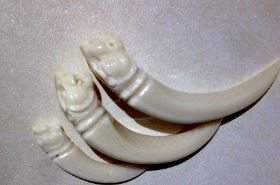
Dampness can obstruct your body's vital energy (Qi), and promoting Qi movement is key to resolving dampness. That's where Hou Po (Magnolia bark) comes in as the deputy herb. Its aromatic, bitter, and drying nature is excellent at promoting Qi circulation and relieving abdominal fullness and distention, while also helping to transform dampness. When paired with Cang Zhu, it helps Qi move to eliminate dampness, and dries dampness to support Spleen function, ensuring that stagnant Qi flows freely and turbid dampness is cleared. (Note: Magnolia bark should be properly prepared, often by applying ginger juice and roasting until fragrant, as traditional methods instruct, to enhance its therapeutic effects and mitigate potential dryness.)
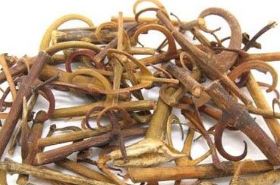
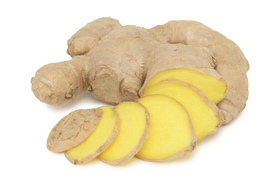
Chen Pi (Aged tangerine peel) serves as the assistant herb, regulating Qi, harmonizing the Stomach, and further drying dampness while awakening the Spleen. It enhances the actions of Cang Zhu and Hou Po. Finally, Gan Cao (Licorice root) acts as the envoy, harmonizing all the herbs in the formula, boosting Qi, strengthening the Spleen, and balancing the Middle Jiao. (Note: Gan Cao is often roasted until yellow to enhance its warming and harmonizing properties, and it should be used judiciously, as excessive intake may lead to fluid retention in some individuals. Always consult with a qualified practitioner.) When prepared with fresh ginger (Sheng Jiang) and Chinese red dates (Da Zao), Sheng Jiang helps to warm and disperse water-dampness while harmonizing the Stomach and preventing upward rebellious Qi. Da Zao nourishes the Spleen and Qi, supporting Gan Cao's function of strengthening the Earth element and controlling water. Together, ginger and dates further harmonize the Spleen and Stomach.
Píng Wèi Sǎn: How to Use and Dosage
Traditional Composition:
- Cang Zhu (Atractylodes rhizome): 120g (prepared by removing black skin, pounding into a coarse powder, and stir-frying until yellow)
- Hou Po (Magnolia bark): 90g (prepared by removing rough bark, coating with fresh ginger juice, and roasting until fragrant)
- Chen Pi (Aged tangerine peel): 60g (washed thoroughly and baked dry)
- Gan Cao (Licorice root): 30g (roasted until yellow)
Traditional Usage: The above ingredients are processed into a powder (散, sàn). For each dose, take 6g of the powder with one "zhong zhan" (a traditional measure, roughly a small cup) of water. Add two slices of fresh ginger and two red dates. Simmer until the liquid reduces to about six-tenths of the original volume. Remove the dregs and drink warm before meals.
Modern Usage: The herbs are typically ground into a fine powder, with a recommended dose of 4-6g per serving, taken with a decoction of ginger and red dates. Alternatively, it can be prepared as a decoction (soup-like tea) for immediate consumption, adjusting the dosage proportionally from the original formula. PMID: 35147321
Modifications: Depending on your specific pattern, the formula can be adjusted:
- If there's damp-heat (濕熱證), herbs like Huang Lian (Coptis rhizome) and Huang Qin (Scutellaria root) can be added to clear heat and dry dampness.
- For cold-dampness (寒濕證), Gan Jiang (Dried ginger) and Cao Dou Kou (Grater Cardamom) can be included to warm and transform the cold-dampness.
- If severe dampness leads to diarrhea, Fu Ling (Poria mushroom) and Ze Xie (Alisma rhizome) can be added to promote urination and stop diarrhea.
Píng Wèi Sǎn: Functions and Key Indications
Core Functions: This formula primarily works to dry dampness, invigorate the Spleen's digestive processes, promote Qi circulation, and harmonize the Stomach. PMID: 29598282
Main Indications: Píng Wèi Sǎn is specifically used for conditions arising from dampness stagnation in the Spleen and Stomach. Common symptoms include: a distended and full abdomen, lack of appetite, a bland taste in the mouth, nausea, occasional vomiting, burping, acid reflux, a feeling of heaviness in the limbs, lethargy, a strong desire to lie down, and often loose stools or diarrhea. Upon examination, you might notice a thick, white, greasy tongue coating and a slow, moderate pulse. PMID: 32098254
Clinical Application: This formula is the fundamental treatment for dampness obstructing the Spleen and Stomach. In a clinical setting, key diagnostic indicators for using Píng Wèi Sǎn are persistent abdominal distention and fullness, combined with a thick, greasy tongue coating.
Important Contraindications for Píng Wèi Sǎn
Because this formula contains bitter, pungent, warming, and drying herbs, it is generally not suitable for individuals with Yin deficiency leading to Qi stagnation or those with a very weak Spleen and Stomach constitution without significant dampness. Always consult a qualified practitioner before use, especially if you have pre-existing conditions or are taking other medications.
3-Second Self-Check + 30-Second Self-Help
If... you've been feeling bloated, sluggish, and your stomach feels heavy after meals, often with a dull appetite and a thick, greasy coating on your tongue (especially after eating rich or damp-producing foods)...
Then/Immediately... try these simple steps! Take a short walk after meals to gently stimulate digestion. Incorporate more warming, cooked foods like ginger tea and lean proteins, and temporarily reduce dairy, raw foods, and sugary items. Sip warm water throughout the day instead of cold beverages. These small changes can help get your digestive Qi moving and clear some dampness!
For informational purposes only. Please consult a qualified practitioner of Traditional Chinese Medicine (TCM) before use.