Huoxiang Zhengqi San: Understanding Its Formula and Benefits
Ever wondered about traditional Chinese remedies that tackle those tricky summer bugs or seasonal digestive upsets? Let's dive into Huoxiang Zhengqi San, a classic formula that's been a go-to for generations.
The "Formula Rhyme" goes like this: "Huoxiang Zhengqi with Areca Peel, Perilla Leaf, Licorice, Platycodon, Tangerine Peel, Poria, Atractylodes, Magnolia Bark, Pinellia Tuber, Angelica Dahurica, plus Ginger and Jujube, dispelling cold, dampness, and mountain miasma."
So, what's the deal with this formula? It's primarily designed to address a common combo of issues: an external invasion of cold-wind coupled with internal dampness stagnation. Think of it as your body catching a slight chill while also having a bit of a bogged-down digestive system. This often pops up during the summer months when we might expose ourselves to cold (like AC) and also consume a lot of damp-forming foods.
When cold-wind hits you from the outside, it can trap your body's protective energy (known as Wei Qi in TCM), leading to symptoms like chills and fever – classic signs of an exterior pattern. Meanwhile, internal dampness can clog up your digestive system, causing an imbalance between your Spleen and Stomach functions. This often manifests as stomach upset, leading to vomiting and diarrhea. If dampness also obstructs the smooth flow of Qi (your vital energy), you might feel chest fullness or abdominal pain. The ingenious strategy of Huoxiang Zhengqi San is to simultaneously expel that external cold-wind, transform the internal dampness, regulate your Qi flow, and bring harmony back to your digestive system.
The Star Players: A Closer Look at the Herbs in Huoxiang Zhengqi San
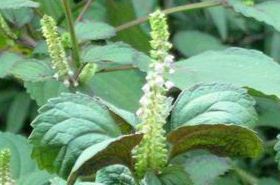
At the heart of this formula is **Huoxiang (Agastache/Patchouli)**, the chief herb. Its pungent and warm nature is perfect for dispelling external cold-wind. But it's not just an exterior fighter; its aromatic properties are fantastic for transforming stubborn internal dampness. Plus, it's known for dispelling turbid substances, harmonizing the middle burner (your digestive core), and stopping vomiting, making it a crucial ingredient for acute gastroenteritis-like symptoms that involve both vomiting and diarrhea.
Supporting Huoxiang as deputy herbs are **Ban Xia Qu (Prepared Pinellia Tuber)** and **Chen Pi (Tangerine Peel)**. These two work together to regulate Qi, dry out dampness, soothe the stomach, and prevent rebellious Qi from causing nausea and vomiting. Then we have **Bai Zhu (Atractylodes Rhizome)** and **Fu Ling (Poria Mushroom)**, which are powerhouses for strengthening your Spleen and promoting the transformation of dampness to stop diarrhea. Together, these deputies amplify Huoxiang's ability to resolve internal dampness and put a stop to those uncomfortable episodes of vomiting and diarrhea.
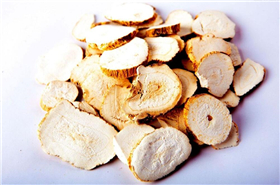
When damp-turbidity creates blockages and impedes Qi circulation, a team of assistant herbs steps in. **Da Fu Pi (Areca Peel)** and **Hou Po (Magnolia Bark, often prepared with ginger juice)** are used to move Qi and transform dampness, ensuring things flow smoothly in your digestive system. The wisdom here is simple: when Qi moves, dampness transforms. **Zi Su Ye (Perilla Leaf)** and **Bai Zhi (Angelica Dahurica)**, with their pungent and warm natures, join forces with Huoxiang to expel external cold-wind. Zi Su also has the added benefits of awakening the Spleen, broadening the chest, moving Qi, and stopping vomiting, while Bai Zhi further dries dampness and transforms turbidity. **Jie Geng (Platycodon Root)** helps by diffusing Lung Qi and benefiting the diaphragm, supporting both the exterior-releasing and dampness-transforming actions. And to complete the picture, **Sheng Jiang (Fresh Ginger)** and **Da Zao (Jujube)** are usually added when the formula is decocted. They're essential for regulating the Spleen and Stomach internally and harmonizing the body's protective (Wei Qi) and nutritive (Ying Qi) energies externally. Finally, **Gan Cao (Licorice Root)** acts as the envoy, harmonizing the properties of all the different herbs and working with Ginger and Jujube to soothe the middle burner. This thoughtful combination makes the formula highly effective (PMID: 35084931).
Please note: While prepared herbs like Ban Xia Qu are safer than their raw counterparts, it's always crucial to ensure proper preparation and dosage. Always consult with a qualified TCM practitioner before using any herbal remedies, especially if you have existing health conditions or are taking other medications.
How to Use Huoxiang Zhengqi San: Traditional vs. Modern Approaches
Formula Composition:
The traditional composition is quite specific:
- Da Fu Pi (Areca Peel), Bai Zhi (Angelica Dahurica), Zi Su Ye (Perilla Leaf), Fu Ling (Poria Mushroom, peeled) - 30g each
- Ban Xia Qu (Prepared Pinellia Tuber), Bai Zhu (Atractylodes Rhizome), Chen Pi (Tangerine Peel, without white pith), Hou Po (Magnolia Bark, rough skin removed, prepared with ginger juice), Jie Geng (Platycodon Root) - 60g each
- Huoxiang (Agastache/Patchouli, earth removed) - 90g
- Gan Cao (Licorice Root, stir-fried) - 75g
Traditional Usage:
The above herbs are ground into a fine powder. For each dose, take "two qian" (approximately 7.5 grams) of the powder. Decocted with one cup of water, three slices of fresh ginger, and one jujube fruit, boil down until about 70% of the liquid remains. Drink it warm. If you want to induce sweating to help release the exterior symptoms, cover yourself with warm blankets and consider decocting and taking another dose.
Modern Usage:
Today, this formula is commonly available as a powder or granules. A typical dose is about 9g. It's often taken by mixing with a decoction of fresh ginger and jujube, or as a pre-prepared decoction with fresh ginger and jujube added, with dosages adjusted proportionally from the original formula.
Customizing Your Formula:
Sometimes, a practitioner might tweak the formula based on your specific symptoms:
- If external pathogenic factors (like cold) are more prominent, causing severe chills, fever, and no sweating, additional herbs like Xiang Ru (Elsholtzia Herb) might be added to further release the exterior.
- If you're experiencing significant Qi stagnation with abdominal distension and pain, herbs like Mu Xiang (Costus Root) and Yan Hu Suo (Corydalis Rhizome) could be added to move Qi and relieve pain (PMID: 35688691).
The Core Power of Huoxiang Zhengqi San: Functions and Indications
What It Does:
Its primary functions are to release the exterior (meaning to expel external pathogenic factors like cold-wind), transform dampness, regulate Qi, and harmonize the middle burner (your digestive system).
When It's Used:
Huoxiang Zhengqi San is a go-to formula for conditions characterized by an external invasion of cold-wind coupled with internal dampness stagnation. Look out for symptoms such as:
- Chills and fever (often mild)
- Headache
- Fullness and tightness in the chest and upper abdomen
- Abdominal pain
- Nausea and vomiting
- Borborygmus (rumbling in the intestines) and diarrhea
- A thick, greasy white coating on your tongue (a key indicator of dampness)
- It's also traditionally used for malaria-like symptoms caused by "mountain miasma," which often implies exposure to damp, cold, and pathogenic influences in specific environments.
In clinical practice, the key diagnostic indicators for using Huoxiang Zhengqi San are the presence of chills and fever, combined with vomiting and diarrhea, and a noticeable thick, greasy white tongue coating (PMID: 32442475).
Important Considerations: Who Should Be Cautious?
This formula excels at transforming dampness and harmonizing the stomach, but its strength in dispelling exterior cold is relatively mild. Because of this, it's often recommended to keep warm after taking it to help your body fully release those external cold factors.
However, it's crucial to know that Huoxiang Zhengqi San is not suitable for vomiting and diarrhea caused by damp-heat gastroenteritis. If your symptoms point more towards heat (like a very yellow and greasy tongue coating, burning sensations, or a more intense fever without chills), this formula might not be the right choice. Always get a proper diagnosis from a qualified practitioner to ensure the correct formula is used.
References
Huoxiang Zhengqi San has been studied for its broad applications in Traditional Chinese Medicine, particularly for gastrointestinal issues and various external invasions. PMID: 35084931
Research continues to explore the pharmacological mechanisms behind Huoxiang Zhengqi San's effectiveness in regulating Qi, transforming dampness, and harmonizing the middle burner. PMID: 35688691
This traditional formula's use cases and specific herbal interactions provide valuable insights into its therapeutic actions, especially for conditions involving dampness and exterior cold. PMID: 32442475
Your 3-Second Self-Test & 30-Second Self-Help!
If... you're feeling chills and a slight fever, battling a headache, experiencing a heavy, bloated feeling in your chest and belly, dealing with nausea, vomiting, or diarrhea, AND you notice a thick, greasy white coating on your tongue...
Then/Immediately... consider that your symptoms might align with external cold-wind and internal dampness. Try to keep warm, drink warm clear broths, and avoid cold or greasy foods. For a quick TCM approach to help settle your stomach and dispel some dampness while you consult with a professional, a cup of warm ginger tea can be a comforting start!
For informational purposes only. Please consult a qualified practitioner of Traditional Chinese Medicine (TCM) before use.