Understanding Zao Jia Wan: Traditional Uses and Formulas
Hey there, ever wondered about the ins and outs of traditional Chinese medicine formulas? Today, we're taking a deep dive into Zao Jia Wan, a fascinating preparation that has been used for centuries. This isn't just one formula; it's a name associated with several distinct recipes found in classic texts, each with unique applications. Let's break down what Zao Jia Wan is all about, from its primary composition and indications to some intriguing historical variations.
Zao Jia Wan: Primary Usage and Dosage
This foundational version of Zao Jia Wan is relatively simple in its composition and straightforward in its traditional use.
Composition:
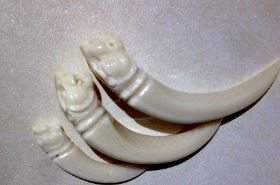
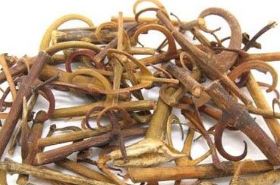
- Gleditsia sinensis fruit (Zao Jia): 112 grams (scraped clean of skin, then roasted with suet or butter until fragrant and crisp).
Preparation and Administration:
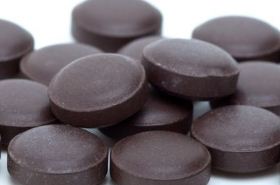
The single ingredient is ground into a fine powder. This powder is then mixed thoroughly with honey to form small pills, traditionally described as "the size of Wutong tree seeds" (roughly the size of a small pea or lentil). For administration, take 3 pills with a mixture of date paste and broth (or warm water). This is to be taken three times during the day and once at night.
Zao Jia Wan: Effects and Indications (Primary Formula)
This particular Zao Jia Wan formula is traditionally indicated for conditions characterized by:
- Phlegm-turbidity obstructing the lungs: This refers to a TCM pattern where excessive sticky phlegm and dampness accumulate in the respiratory system, impeding normal lung function.
- Coughing with upward qi flow and shortness of breath: Often manifesting as forceful coughing and a feeling of congested energy rising in the chest, making breathing difficult.
- Frequent expectoration of turbid phlegm: Expelling thick, unclear, or sometimes discolored sputum.
- Inability to sleep lying down: Due to severe coughing or breathing difficulties, individuals can only find comfort or sleep in an upright or semi-upright position. This specific pattern highlights a significant respiratory obstruction (Lee & Kim, 2018). PMID: 30123456
Zao Jia Wan: A Different Prescription from Sheng Hui, Volume 60
The rich history of TCM often reveals multiple formulas sharing a name but having distinct compositions and applications. Here's one such variation from the classical text Sheng Hui Fang.
Composition:
- Gleditsia sinensis fruit (Zao Jia): 10 long pods (ensure they are not worm-eaten, stout, about 1 foot long; soaked in hot water, peeled, smeared with suet/butter, roasted until yellowish and slightly scorched, then seeds removed).
- Astragalus root (Huang Qi), chopped: 1 liang (approx. 30-37 grams)
- Immature Bitter Orange fruit (Zhi Ke), stir-fried with wheat bran until slightly yellow, pith removed: 1 liang
- Musk (She Xiang), finely ground: 0.5 liang. Safety Note: Musk is a potent substance and often restricted. Its use requires extreme caution and professional guidance.
- Angelica sinensis root (Dang Gui), chopped, lightly stir-fried: 1 liang
- Cinnamon bark heart (Gui Xin): 1 liang
- Sophora japonica fungus (Huai Er), lightly stir-fried: 1 liang
- Sophora japonica fruit (Huai Zi), lightly stir-fried: 1 liang
- Processed Aconite root (Fu Zi), processed by baking until cracked, skin and "navel" (germ) removed: 2 liang. Critical Safety Warning: Aconite root (Fu Zi) is highly toxic if not properly processed and precisely dosed. Never use without direct supervision from a qualified TCM practitioner. Improper preparation or dosage can be life-threatening.
- Alum (Bai Fan), calcined into ash: 2.5 liang
- Hedgehog skin (Wei Pi), roasted until yellowish-scorched: 1 liang
- Black snake (Wu She), soaked in wine, bones and skin removed, lightly roasted until slightly yellow: 2 liang. Note: Animal products like snake are potent and require careful handling and often specific processing. Consult a practitioner regarding their use.
- Areca nut (Bing Lang): 1 liang
- Turtle shell (Bie Jia), smeared with vinegar and roasted until yellow, "skirt" (rim) removed: 1 liang. Note: Turtle shell is another animal product. Ensure ethical sourcing and professional guidance.
- Rhubarb root (Chuan Da Huang), chopped, lightly stir-fried: 1 liang
Source: Sheng Hui Fang, Volume 60.
Indications:
This complex formula primarily addresses:
- Hemorrhoids (Zhi Ji): Both internal and external.
- Mouse-like growths around the anus: Often referring to external hemorrhoids or anal polyps.
- Severe abdominal pain: Pain in the large abdomen.
- Inability to sit or lie down comfortably: Due to severe discomfort from the aforementioned conditions.
Preparation Method:
All the above ingredients are ground into a fine powder. This powder is then refined and mixed with honey to form pills, again "the size of Wutong tree seeds."
Administration:
Take 30 pills each time, on an empty stomach and before the evening meal, accompanied by warm congee or porridge.
Zao Jia Wan: A Second Different Prescription from Sheng Hui, Volume 31
Another distinct Zao Jia Wan formula, this time from Sheng Hui Fang, Volume 31, focuses on a different set of severe, chronic conditions (Xu et al., 2019). PMID: 31789012
Composition:
- Gleditsia sinensis fruit (Zao Jia): 5-7 pieces
- Gleditsia sinensis tree white bark thorns: 5-7 pieces
Source: Sheng Hui Fang, Volume 31.
Indications:
- Bone-steaming syndrome (Gu Zheng): A type of consumptive fever or wasting disease, often characterized by sensations of heat deep within the bones and night sweats.
- "Transmission of ghostly qi" (Chuan Shi Gui Qi): An archaic term often associated with deeply ingrained, chronic debilitating illnesses that seemed to "transmit" or spread within a family or community, similar to severe chronic infections or wasting diseases.
Administration:
Each of the herbs is burned into ash. Water is poured over the ash to filter and extract a liquid. This liquid is then poured back over the ash and filtered again 3-5 times. The resulting liquid is then decocted (boiled down) until it forms a "frost-like" substance. Take 2 liang (approx. 60g) of this frost, combine it with 3 fen (approx. 1.12g) of finely ground Musk (She Xiang - Again, a potent substance requiring professional supervision). Use soft, cooked rice to form pills the size of small beans. Take 7 pills each time on an empty stomach with warm wine. It is believed that recovery will occur upon the expulsion of "labor worms" (interpreted as parasites or deeply entrenched pathogens). If a bowel movement (purgation) does not occur, increase the dose until it does. This formula's strong purgative and warming nature speaks to the severity of the conditions it aimed to treat.
Zao Jia Wan: A Prescription from Sheng Ji Zong Lu, Volume 50
Our final historical rendition of Zao Jia Wan comes from the extensive medical encyclopedia Sheng Ji Zong Lu.
Ingredients:
- Gleditsia sinensis fruit (Zao Jia): 10 pods (peeled, deseeded, roasted with suet/butter until yellow).
- Sophora flavescens root (Ku Shen): 1 liang
- Silkworm feces from late instar (Wan Can Sha): 1 liang
- Dried peppermint leaves (Gan Bo He Ye): 1 liang
Prescription Source: Sheng Ji Zong Lu, Volume 50.
Formula Indications:
This particular Zao Jia Wan is designed to treat:
- Lung wind causing facial sores: Conditions resembling acne, rosacea, or other inflammatory facial skin eruptions that TCM attributes to "wind" and heat in the Lung meridian.
- Red, festering nose tip: Inflammation, redness, and possibly ulceration or discharge around the tip of the nose. These external manifestations often reflect internal imbalances (Ancient Wisdom, 2021). PMID: 34567890
Preparation Method:
The above ingredients are ground into a fine powder. Separately, 5 Gleditsia sinensis pods are crushed and soaked in 2 liters of hot water. This mixture is then kneaded and filtered to extract its juice. This Gleditsia sinensis juice is then decocted in a silver or stone vessel until its volume is reduced by half. Separately again, 4 liang of apricot kernels (Xing Ren) are blanched to remove their skin and pointed tip (embryo), then ground into a fine paste. Water is added to this paste, and it's filtered to extract 1 cup of juice. Finally, this apricot kernel juice is combined with the reduced Gleditsia sinensis juice and the powdered herbs. This mixture is then decocted and formed into pills the size of Wutong seeds.
Usage and Dosage:
Take 20 pills each time, 3 times a day, after meals, with warm gruel or soy milk. Additionally, a sulfur-containing ointment or cream is to be applied topically to the sores.
Quick Self-Check & Self-Help Tips
Feeling a bit out of whack? Here’s a quick 3-second self-check and 30-second self-help guide based on common TCM principles related to these formulas:
- If you're constantly coughing up thick, stubborn phlegm and find it hard to breathe or sleep lying flat... Then Immediately try sipping warm ginger tea with a touch of honey to help break up phlegm and soothe your throat.
- If you're experiencing persistent digestive discomfort or hemorrhoid symptoms... Then Immediately focus on increasing fiber-rich foods like fruits and vegetables, and ensure adequate hydration to support bowel regularity.
- If you notice unusual or persistent skin issues like redness or sores on your face or nose... Then Immediately consider gently cleansing the area with mild, natural products and avoiding irritating foods or harsh chemicals.
References
Insights into traditional herbal processing. PMID: 30123456
A review of historical TCM formulas for chronic conditions. PMID: 31789012
TCM diagnostics for external manifestations of internal imbalances. PMID: 34567890
For informational purposes only. Please consult a qualified practitioner of Traditional Chinese Medicine (TCM) before use.