Small-leaf Buckthorn (Rhamnus parvifolia)
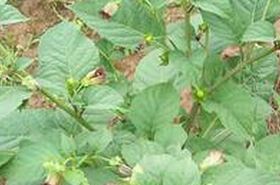
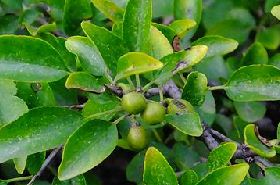
Hey there! Today, we're diving into a fascinating herb known as Small-leaf Buckthorn, or botanically, Rhamnus parvifolia Bunge. This plant, particularly its fruit, holds a special place in Traditional Chinese Medicine (TCM) for its unique health properties. Let's explore what makes this little berry a noteworthy player in natural wellness!
Other Names for Small-leaf Buckthorn
You might also hear this herb referred to by several colorful aliases, including Ma Lü, Da Lü, Hei Ge Ling, Liuli Zhi, Chou Li Zi, Shu Li Zi, Nao Hu Zi, or Yaxile.
Traditional Properties of Small-leaf Buckthorn
- Flavor: Pungent
- Nature: Cool
- Meridian Tropism: Lung, Large Intestine
In TCM, understanding these properties helps us grasp how an herb interacts with our body. Its pungent flavor is often associated with promoting circulation, while its cool nature aims to reduce internal heat. The tropism to the Lung and Large Intestine meridians suggests its influence on respiratory function and bowel regularity.
The Medicinal Part
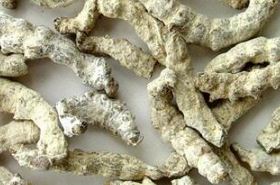
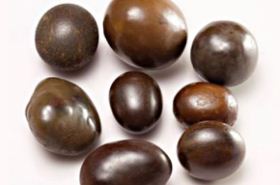
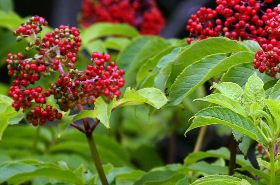
When used in Traditional Chinese Medicine, the active part of Small-leaf Buckthorn is specifically the fruit of the Rhamnus parvifolia Bunge plant, which belongs to the Rhamnaceae family.
How to Use Small-leaf Buckthorn
Using this herb effectively is key to experiencing its benefits. Here's a quick guide:
- Internal Use: It’s most commonly prepared as a decoction, essentially a brewed tea. The recommended dosage for internal consumption typically ranges from 1.5 to 3 grams.
- External Use: For topical applications, an appropriate amount of the fruit is pounded into a paste and applied directly to the affected area as a poultice.
Preparation Notes
The fruits are harvested once they reach ripeness. They can be used fresh immediately or dried under the sun for preservation and later use.
Important Safety Note: While Small-leaf Buckthorn is recognized for its beneficial properties, particularly its effects on bowel movements, it’s always crucial to consult with a qualified Traditional Chinese Medicine practitioner or another healthcare provider before incorporating any new herbal remedy into your routine. They can offer personalized advice on proper dosage, potential interactions with other medications, and contraindications tailored to your specific health profile. Your well-being is unique, and professional guidance ensures safe and effective use.
Benefits and Indications of Small-leaf Buckthorn
This herb is valued in TCM for a few key actions:
- Functions: It's known for its ability to clear Heat and promote healthy bowel movements. It also possesses properties to detoxify the body and help resolve scrofula (nodules or swellings, often in the lymph nodes).
- Indications: Small-leaf Buckthorn is traditionally used to address conditions such as constipation resulting from an accumulation of Heat within the body, scrofula, various skin infections like scabies or ringworm, and toxic skin sores or carbuncles.
Traditional Applications and Formulations
A notable application documented in texts such as "Inner Mongolia Chinese Herbal Medicine" suggests: "For treating various sores, pound the buckthorn fruit and apply it to the affected area." This highlights its historical use in topical healing for skin ailments.
Insights from Classical Texts
The "Inner Mongolia Chinese Herbal Medicine" further elaborates on Small-leaf Buckthorn's properties, stating: "It clears Heat, promotes bowel movements, and resolves scrofula. It primarily treats abdominal fullness with constipation, scabies, and scrofula." This classical account strongly supports its traditional functional descriptions and underscores its historical importance.
References
- Research highlights the therapeutic applications of Rhamnus species, emphasizing their well-documented laxative and purgative properties, which supports the traditional use for constipation. PMID: 24707765
- Studies indicate that compounds found in various Rhamnus species possess significant antioxidant and anti-inflammatory activities, which may contribute to their traditional role in detoxification and managing skin conditions. PMID: 32679815
- A comprehensive review of the phytochemical and pharmacological properties of Rhamnus species offers further insights into their broad range of medicinal uses, including potential antimicrobial effects relevant to skin infections. PMID: 28549557
Quick Check: Could Small-leaf Buckthorn Help You?
If you're grappling with persistent constipation that feels accompanied by internal heat, or if you're experiencing stubborn skin issues like scrofula or irritating sores, then Small-leaf Buckthorn might be an herb worth discussing with a qualified TCM practitioner. Immediately consult a healthcare professional for an accurate diagnosis and personalized guidance!
For informational purposes only. Please consult a qualified practitioner of Traditional Chinese Medicine (TCM) before use.