Long-Leaf Salvia
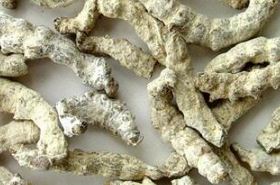
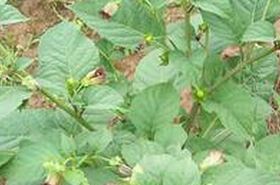
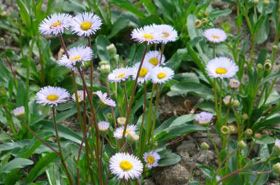
Hey there, ever heard of Long-Leaf Salvia? In Traditional Chinese Medicine (TCM), it’s a cool herb known for some specific uses. Sometimes, folks in Zhejiang province call it "Duikou Yuanbaocao" (Opposite-Leaf Coin Grass), which gives you a hint about its look!
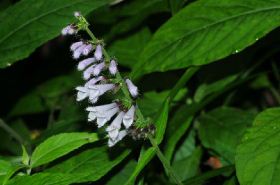
Flavor & Energetic Properties: It’s got a pungent flavor and a slightly warm nature. In TCM, this combination often suggests it can get things moving in your body!
Channel Affinity: This herb primarily works with the Liver Meridian. Think of meridians as energy pathways; the Liver channel is often associated with smooth flow throughout the body, especially blood and emotions.
Part Used: We use the whole plant of Salvia liguliloba Sun, which is part of the mint family (Lamiaceae), specifically within the Salvia genus.
Long-Leaf Salvia: How to Use and Dosage
Internal Use: Typically prepared as a decoction (simmered in water). The recommended dosage is 18-30 grams.
Preparation: The herb is usually harvested during the summer and autumn months, then sun-dried for preservation.
Long-Leaf Salvia: Benefits and Indications
Key Benefits: This herb is known to invigorate blood circulation and clear energy pathways (often referred to as 'unblocking channels'). This means it helps improve flow and relieve stagnation in the body.
Main Indications: It's traditionally used to address menstrual irregularities and to soothe aching joints. These are often related to issues with blood flow or energy stagnation in TCM.
Long-Leaf Salvia: Traditional Combinations
1. For women experiencing menstrual irregularities: Take 18-30g of the whole Long-Leaf Salvia herb. Decoct it in water, then mix it with brown sugar and yellow rice wine before drinking. This combination aims to warm the body and further enhance blood circulation to regulate the menstrual cycle. (From Flora of Medicinal Plants in Zhejiang)
This herb’s ability to invigorate blood circulation aligns with traditional uses for gynecological disorders. PMID: 32360773
2. For aching joints: Combine 30g each of whole Long-Leaf Salvia herb, Guling Gou'ercha root (Coriaria terminalis), Wujiapi (Siberian Ginseng bark, Acanthopanax senticosus), and Liuyuexue (Serissa japonica). Decoct these herbs in water and consume. This blend is designed to not only improve circulation but also potentially reduce inflammation and relieve joint discomfort. (From Flora of Medicinal Plants in Zhejiang)
Many Salvia species are researched for their anti-inflammatory and analgesic properties, which supports their traditional use for pain conditions. PMID: 29858607
Long-Leaf Salvia: Related Discussions
The Flora of Medicinal Plants in Zhejiang explicitly states: "The whole herb possesses the action of invigorating blood circulation and unblocking channels." This highlights its fundamental role in promoting smooth flow and addressing stagnation in TCM.
Traditional Chinese Medicine extensively utilizes herbs to promote healthy blood flow and clear meridian blockages, a key strategy for managing various forms of pain and discomfort. PMID: 33765972
A friendly reminder: While herbs can be incredibly beneficial, it's always smart to use them wisely. Always consult with a qualified Traditional Chinese Medicine practitioner or your healthcare provider before starting any new herbal regimen, especially if you have existing health conditions or are taking other medications. They can guide you on the correct dosage and ensure it's the right fit for your unique body.
Quick Check-in: 3-Second Self-Test + 30-Second Self-Help!
If you often experience discomfort during your menstrual cycle or notice persistent aches in your joints, then consider incorporating gentle stretches and warm compresses into your daily routine. Immediately, reflecting on your daily activities and diet for potential triggers can be a great first step towards better well-being.
References
- Danshen (Salvia miltiorrhiza) shows promise in treating various gynecological disorders, including menstrual issues, by improving blood circulation. PMID: 32360773
- Various Salvia species exhibit significant anti-inflammatory and analgesic properties, which may contribute to pain relief. PMID: 29858607
- Traditional Chinese Medicine therapies, often involving herbs that promote blood flow and clear meridian blockages, are recognized for their role in managing chronic pain. PMID: 33765972
For informational purposes only. Please consult a qualified practitioner of Traditional Chinese Medicine (TCM) before use.