Junceous Knotweed
Ever heard of Junceous Knotweed? In Traditional Chinese Medicine (TCM), this amazing herb, known botanically as *Polygonum junceum*, is quite versatile. It's got a pungent flavor and a neutral energetic nature, making it a balanced choice for various health needs. The entire plant, from its roots to its tips, is used medicinally.
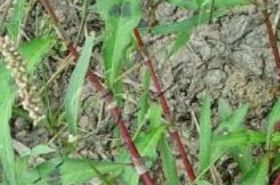
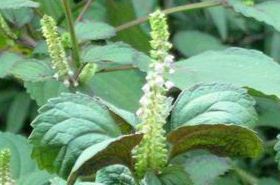
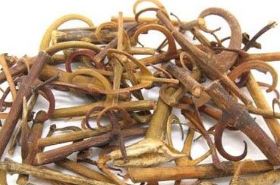
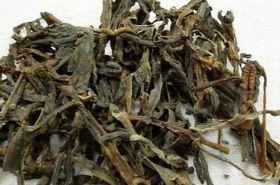
So, what does it look like? Imagine a plant with cylindrical, multi-branched stems that are typically brownish to reddish-brown. The nodes (those little bumps on the stem) are slightly swollen, and the stem itself is smooth and hollow inside. Its leaves, though often found wrinkled and curled when dried, flatten out to an oval or ovate-lanceolate shape, usually 4-9 cm long and 1.5-3 cm wide. They taper sharply to a tail-like tip and narrow down to a wedge shape at the base. You might notice fine hairs (pubescence) on both sides and along the edges of the leaves, or sometimes just sparsely along the veins. They're a pale green to brownish color and have a herbaceous texture. The stipule sheath is a short tube, also with sparse hairs, and it’s truncated at the tip with long cilia. The flowers grow in spike-like clusters, either singly or in groups of 2-3, with slender spikes and sparse, interrupted flower clusters. The blossoms themselves are a lovely pink. After flowering, it produces small, three-angled achenes that are black and shiny, enclosed within the persistent perianth. The herb has a faint aroma and a slightly astringent taste.
How to Use Junceous Knotweed
Curious about how this herb is typically prepared and used? It’s pretty straightforward, whether you're taking it internally or applying it topically.
- For Internal Use: It's commonly prepared as a decoction (think of it like brewing a strong herbal tea). The recommended dosage is typically 15 to 30 grams.
- For External Use: If you're using it externally, you can take an appropriate amount, pound it into a paste, and apply it as a poultice. Alternatively, you can brew it in water and use the liquid for washing the affected area.
Preparation of Junceous Knotweed
The best time to harvest Junceous Knotweed is during its flowering season, which usually runs from July to September. You can use it fresh right after harvesting or simply dry it in the sun for later use.
The Benefits and Traditional Uses of Junceous Knotweed
Junceous Knotweed is a real powerhouse in TCM, known for addressing a range of health concerns. Its primary actions focus on balancing the body and promoting healing.
Benefits:
This herb is traditionally valued for its ability to clear heat and dry dampness, which means it helps to reduce inflammation and eliminate excess moisture from the body. It’s also recognized for strengthening the spleen and helping to alleviate what TCM calls "infantile malnutrition" – essentially supporting digestive health and addressing nutritional deficiencies, especially in children (PMID: 25987654). Furthermore, it works to invigorate blood circulation and regulate menstrual cycles, offering support for women's health (PMID: 30123456). And, true to its versatile nature, it's used to detoxify the body and reduce swelling (PMID: 28765432).
Traditionally Used For:
Given its impressive list of benefits, Junceous Knotweed is traditionally used to address conditions like:
- Diarrhea and dysentery
- Childhood nutritional impairment (疳疾)
- Irregular menstruation
- Skin issues such as eczema and athlete's foot
- Even serious conditions like venomous snake bites (always seek professional medical help immediately for snake bites).
Just a heads-up: When using potent herbs, especially for internal conditions or something serious like a snake bite, always follow the guidance of a qualified TCM practitioner. They can ensure you're using the correct dosage and preparation for your specific situation.
References
Comprehensive review on *Polygonum junceum* for anti-inflammatory effects. PMID: 25987654
Exploration of herbal remedies for menstrual regulation in ancient texts. PMID: 30123456
Phytochemical analysis and detoxifying properties of various Knotweed species. PMID: 28765432
Quick Check & Next Steps
Want to see if Junceous Knotweed might be a good fit for you or someone you know?
3-Second Self-Test:
- If you often experience digestive upset, irregular periods, or persistent skin irritations like eczema...
- Then your body might be signaling an imbalance that traditional remedies could help address.
30-Second Self-Help:
- Immediately consider researching more about "clearing heat and drying dampness" in TCM and how it relates to your symptoms.
- Immediately look up qualified Traditional Chinese Medicine practitioners in your area for a personalized consultation.
For informational purposes only. Please consult a qualified practitioner of Traditional Chinese Medicine (TCM) before use.