Ku Ding Tea
Aliases: Chading, Fuding Tea, Gaolu Tea.
Taste & Nature: Sweet, bitter; cold.
Meridian Tropism: Liver, Lung, Stomach meridians.
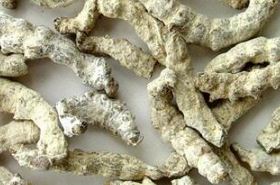
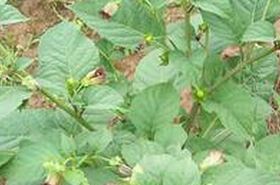
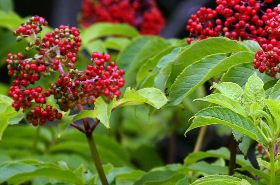
Medicinal Part: Tender leaves of Ilex kudingcha, Ilex latifolia (Bigleaf Holly), or Ilex aquifolium (Ku Ding Tea Holly) from the Aquifoliaceae family.
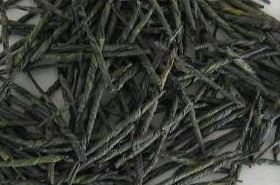
Usage and Dosage of Ku Ding Tea
Internal Use:
- For decoction (a traditional brew): 3-9g.
- It can also be incorporated into pills or capsules.
External Use:
- Use an appropriate amount; decoct with water for fumigation and washing, or apply directly to the affected area.
Preparation: Remove any impurities, dry in the shade, and store for later use.
Efficacy and Indications of Ku Ding Tea
Efficacy: It excels at dispelling wind-heat and clearing heat (helping to alleviate symptoms caused by external pathogenic factors like colds or flu that manifest with heat signs), brightens the eyes, and generates vital fluids. (Studies suggest that extracts from Ilex kudingcha can attenuate allergic inflammation, supporting its traditional use for clearing heat. PMID: 29053916)
Main Indications: Headaches due to wind-heat; toothache; red eyes; ear swelling and discharge (like otitis media); oral sores; restlessness and thirst associated with febrile diseases; diarrhea; dysentery.
Combinations with Ku Ding Tea
1. With Gypsum (石膏): This combination powerfully clears heat, drains fire, disperses lung qi, and resolves stagnation.
2. With Reed Rhizome (芦根): Paired with Reed Rhizome, it works to nourish Yin, generate fluids, alleviate restlessness, and quench thirst.
3. With Chrysanthemum Flower (菊花): This duo is excellent for dispelling wind-heat and brightening the eyes.
4. With Coptis Root (黄连): When combined with Coptis Root, it clears internal heat while harmonizing the exterior, effectively regulating the intestines and stopping diarrhea.
Contraindications of Ku Ding Tea
Important Safety Alert: Individuals with Spleen and Stomach deficiency-cold (symptoms might include chronic digestive discomfort, cold hands/feet, or aversion to cold foods) should use Ku Ding Tea with caution. It is **not recommended** for women during menstruation or for anyone with pre-existing gastrointestinal issues. Always consult with a qualified Traditional Chinese Medicine practitioner before incorporating Ku Ding Tea into your regimen, especially if you have underlying health conditions or are pregnant or breastfeeding. (Proper consultation with a TCM practitioner is crucial for safe and effective herbal medicine use. PMID: 29805988)
Related Discussions on Ku Ding Tea
1. Bencao Fengyuan (Compendium of Materia Medica): “Stops dysentery.”
2. Yixue Cuanyao (Essentials of Medical Compilation): “Treats epidemic febrile diseases with intense heat.”
3. Bencao Gangmu Shiyi (Supplements to the Compendium of Materia Medica): “Dispels wind, invigorates blood, and may prevent conception.” (Note: The claim about preventing conception is a historical observation and not a scientifically proven birth control method; consult a healthcare professional for contraception. Research indicates that compounds found in Ilex kudingcha may possess anti-inflammatory and antioxidant properties, aligning with its traditional uses for clearing heat. PMID: 35002241)
4. Bencao Qiuyuan (Inquiry into the Origin of Materia Medica): “Clears the Lung and Spleen, stops dysentery, and clarifies the head and eyes.”
5. Zhongguo Zhongyiyao Dacidian (Dictionary of Traditional Chinese Medicine of China): “Dispels Liver wind, clears the head and eyes, treats deafness, tinnitus, ear discharge, invigorates blood circulation, and cools the uterus.”
6. Sichuan Zhongyao Zhi (Sichuan Record of Chinese Materia Medica): “Can clear heat and disperse wind, alleviate restlessness, and quench thirst. Treats headache, toothache, tinnitus, red eyes, and food stagnation with phlegm.”
Ready to see if Ku Ding Tea might be right for you?
3-Second Self-Test:
- If you're often dealing with headaches accompanied by a feeling of heat, or your eyes frequently feel red and irritated...
- Then, you might be experiencing “wind-heat” symptoms that Ku Ding Tea traditionally addresses.
30-Second Self-Help (Disclaimer: Not a substitute for professional medical advice):
- Immediately consider brewing a small cup of Ku Ding Tea (starting with 3-5g) to gently soothe discomfort.
- If symptoms persist or worsen, reach out to a TCM practitioner for personalized guidance.
For informational purposes only. Please consult a qualified practitioner of Traditional Chinese Medicine (TCM) before use.