How Exactly Does Prostate Massage Help with BPH Symptoms?
When it comes to managing benign prostatic hyperplasia (BPH), also known as prostate enlargement, many men are looking for natural alternatives before considering medications or surgery. One safe and effective method supported by Traditional Chinese Medicine (TCM) includes prostate massage combined with specific acupressure techniques. These help stimulate circulation in the lower pelvic region, ease urinary discomfort, and support overall prostate function.
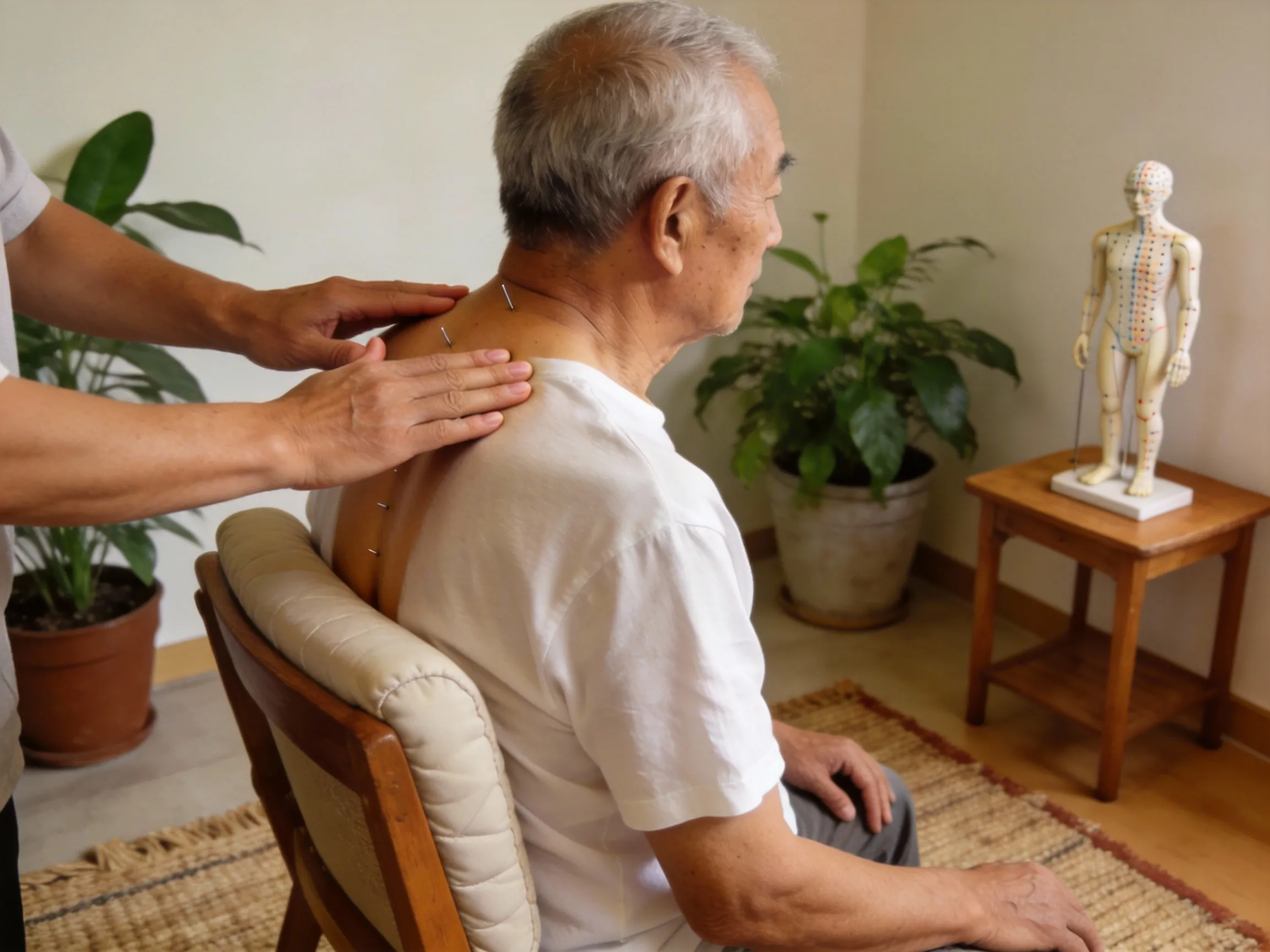
This integrative method doesn’t just target the prostate directly — it works holistically by activating meridian points known to benefit the lungs, kidneys, bladder, and lower abdomen. Let's dive deeper into how it works and what additional points may enhance the results based on particular symptoms.
Simplified and Targeted: Acupressure Techniques for Prostate Support
Core Routine for BPH Relief
The base massage protocol generally includes the following steps:
- **Lung Comfort:** Gently press and rub the *Fei Shu* (Bladder 13) points along the upper back to improve breathing and Qi flow.
- **Spine Relaxation:** Tap and rub the *Da Zhui* (GV14) point at the base of the neck.
- **Kidney Function Boost:** Massage and warm the *Shen Shu* (Bladder 23) points in the lower back area, and use heavier strokes along the lumbosacral zone to promote lower-body circulation.
- **Wrist & Abdomen Work:** Knead both *Nei Guan* and *Wai Guan* points on the inner forearms. Follow with circular rubbing on the *Zhong Wan* (CV12) above the navel and *Guan Yuan* (CV4) below it, then use diagonal strokes over the lower abdomen.
- **Leg & Hip Activation:** Apply pressure to *Qu Quan* (Liver 8), then grip and knead both *Yin Ling Quan* (Spleen 9) and *Yang Ling Quan* (Gallbladder 34), finishing with rolling pressure on *San Yin Jiao* (Spleen 6).
Extra Points for Personalized Symptom Relief
Depending on symptom variations, you might want to include more targeted points:
1. For dizziness, ear ringing, low back pain, and urinary urgency:
- Press and knead *Feng Chi* (GB20), *He Gu* (LI4), and *Tai Chong* (Liver 3).
- Also include *Tai Xi* (Kidney 3) and *Kun Lun* (UB60) for lower-body Qi flow.
2. For bloating, fatigue, and blood-tinged urine:
- Focus on *Pi Shu* (BL20) and *San Jiao Shu* (BL22), especially for digestive sluggishness.
- Add rhythmic pressing on *Feng Long* (ST40) and *Cheng Shan* (BL57) to help drain dampness.
3. For elderly users with low energy, poor appetite, or soft stools:
- Stimulate *Pi Shu* again, and knead the well-known strengthening point *Zu San Li* (ST36).
(All herbs or therapies should be supervised by a qualified TCM practitioner. If herbal support includes Ginkgo seeds [Bai Guo], always remove the inner embryo, and use short-term only — long-term or high-dose use may be toxic.)
Seriously Important: Daily Lifestyle Habits That Can Make or Break Your Results
Even if you're doing the massage technique perfectly, results will lag if daily habits aren’t in sync. Here’s what to avoid during treatment:
- **Sexual Moderation:** Reduce frequency to prevent overstimulation of the pelvic area.
- **Avoid Cold and Fatigue:** Overexertion or catching a chill weakens kidney energy.
- **Cut Back on Alcohol & Rich Food:** Spicy, greasy, or sweet foods can heat the dampness and worsen prostate swelling.
According to the *Huangdi Neijing*, maintaining balance in the body's energies is just as important as treating specific symptoms when aiming for long-term recovery.
The Bottom Line: Gentle, Regular Stimulation Yields Remarkable Results
With regular use, this prostate massage routine can noticeably reduce BPH-related symptoms like nighttime urination, pelvic heaviness, and urinary dribbling—without the side effects of pharmaceuticals and surgery. For best results, pair this method with TCM herbal guidance and a supportive lifestyle.