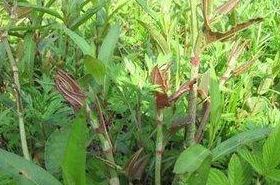
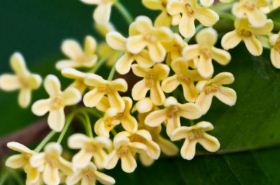
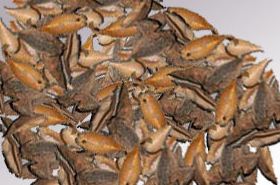
Paulownia Fruit
Paulownia fruit, an intriguing botanical ingredient used in Traditional Chinese Medicine (TCM), is gaining recognition for its potential health benefits, particularly in respiratory wellness. It’s valued for its distinct energetic properties and its targeted action within the body's meridian system.
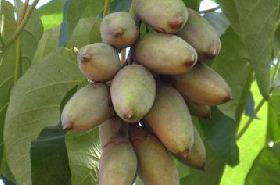
Taste and Nature: According to TCM principles, Paulownia fruit is characterized by a **bitter taste** and a **slightly cold nature**.
Meridian Tropism: Its therapeutic actions primarily **target the Lung Meridian**, making it particularly relevant for respiratory health.
Medicinal Part: The medicinal part used is the **fruit of Paulownia fortunei (Seem.) Hemsl. and Paulownia tomentosa (Thunb.) Steud.**, both members of the Paulownia genus within the Scrophulariaceae family.
Paulownia Fruit: Usage and Dosage
Administration: For internal use, Paulownia fruit is typically prepared as a **decoction** (a concentrated herbal tea), with a recommended dosage of **15-30g**.
Preparation: The fruits are **harvested in summer and autumn, then sun-dried** for medicinal use.
Paulownia Fruit: Functions and Indications
Functions: Paulownia fruit is traditionally renowned for its abilities to **transform phlegm, alleviate coughs, and calm wheezing or asthma-like symptoms**. Modern research further explores the rich **phenolic compounds** within Paulownia tomentosa fruits, noting their **antioxidant and anti-inflammatory activities**, which could contribute to its respiratory benefits (PMID: 37443831).
Indications: It is primarily used for conditions such as **chronic bronchitis and cough with phlegm**. Indeed, recent studies are investigating the **bioactive compounds** from Paulownia tomentosa for their **potential in treating respiratory diseases**, aligning with its traditional applications (PMID: 35165434).
Given its potent nature in addressing respiratory issues, it’s crucial to **consult a qualified TCM practitioner** before using Paulownia fruit to ensure appropriate dosage and suitability for your specific condition.
Historical Perspectives on Paulownia Fruit
Historical texts also highlight its uses beyond respiratory support. The **'Sichuan Common Chinese Herbal Medicines'** states that Paulownia fruit "treats deafness." This traditional use is part of a broader ethnobotanical history, with comprehensive reviews highlighting the **phytochemistry and pharmacological activities** across various Paulownia species (PMID: 36629703).
References
Phenolic compounds from Paulownia tomentosa fruits and their antioxidant and anti-inflammatory activities. PMID: 37443831
Bioactive compounds from Paulownia tomentosa (Thunb.) Steud. with potential in the treatment of respiratory diseases. PMID: 35165434
A comprehensive review on ethnobotany, phytochemistry, pharmacology, and toxicology of Paulownia species. PMID: 36629703
Quick Self-Test & Self-Rescue
3-Second Self-Test: If you're constantly clearing your throat, experiencing a lingering cough with phlegm, or finding yourself easily short of breath...
30-Second Self-Rescue: Then, consider discussing potential natural remedies like Paulownia fruit with a qualified TCM practitioner. Immediately, focus on staying well-hydrated and try sipping on a warm, soothing herbal tea to provide temporary relief to your throat and airways.
For informational purposes only. Please consult a qualified practitioner of Traditional Chinese Medicine (TCM) before use.