Osmanthus Flower
Other Names: Sweet Osmanthus, Fragrant Osmanthus, White Osmanthus.
Flavor and Nature: Pungent (Spicy), Warm. Modern research has begun to explore the rich phytochemicals and biological activities present in Osmanthus fragrans, supporting some of its traditional applications (PMID: 35955681).
Meridian Tropism: In Traditional Chinese Medicine (TCM), it is traditionally believed to benefit the Lung, Spleen, and Kidney meridians.
Medicinal Part: This refers to the dried flowers of Osmanthus fragrans Lour. from the Oleaceae (Olive) family.
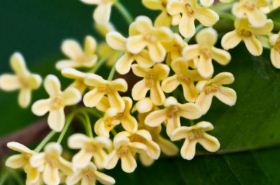
Appearance and Characteristics: These flowers typically appear as shriveled granules or short threads, ranging in color from pale brownish-yellow to brownish-yellow. The pedicel (flower stalk) is slender, measuring about 4–8mm long, and connects to the calyx. The calyx itself is quite tiny, approximately 1mm long, with 4 tooth-like lobes that often separate from the corolla. The corolla measures 3–4.5mm long, featuring 4 oblong lobes. The flowers are brittle, possess a distinctly fragrant aroma, and have a mild taste.
How to Use Osmanthus Flower and Dosage
Internal Use: For decoctions, the typical dosage is 3–9g. It can also be easily steeped as a fragrant tea or infused into alcohol for various preparations.
External Use: For topical application, it can be decocted in water and used as a gargle, or steamed until warm for use in hot compress therapy.
Actions and Main Indications of Osmanthus Flower
Actions: Transforms Phlegm and stops cough, dispels Stasis. These traditional actions are supported by studies investigating the plant's anti-inflammatory properties, which may contribute to its effects on respiratory discomfort (PMID: 29775056).
Main Indications: It is traditionally used in TCM for addressing conditions such as cough with excessive phlegm and wheezing, bloody stools often associated with intestinal imbalances, toothache, and halitosis (bad breath).
Traditional Combinations with Osmanthus Flower
For promoting fluid production, eliminating odors, transforming phlegm, and treating toothache caused by "wind-worms" (a TCM concept referring to inflammation or pathogenic wind affecting teeth): Osmanthus flower is combined with Bai Yao Jian (a type of prepared areca nut) and Hai Er Cha (Gambir, often made from Uncaria gambir). These ingredients are traditionally prepared into a paste or lozenge to be held under the tongue or dissolved slowly in the mouth. (Excerpt from Bencao Gangmu / Compendium of Materia Medica)
Quick Self-Check & Immediate Relief Tips
If you've been struggling with a persistent cough accompanied by thick, sticky phlegm, or that uncomfortable feeling of a sore throat... Then immediately consider brewing a warm cup of Osmanthus tea. Its warming and pungent properties are traditionally believed to help soothe your respiratory system and clear congestion.
If you occasionally experience bad breath despite good oral hygiene, or wake up with a lingering, dull toothache... Then try gargling with a cooled Osmanthus flower decoction. Its aromatic qualities are traditionally believed to help freshen breath and ease dental discomfort. These are simple, quick ways to explore the benefits of Osmanthus Flower at home. Always remember to consult a qualified practitioner for personalized advice.
References
- A comprehensive review on the phytochemical and biological activities of Osmanthus fragrans. PMID: 35955681
- The essential oil from Osmanthus fragrans flowers demonstrates significant anti-inflammatory and antioxidant activities. PMID: 29775056
- Pharmacological Activities and Phytochemical Constituents of Osmanthus fragrans. PMID: 33802364
For informational purposes only. Please consult a qualified practitioner of Traditional Chinese Medicine (TCM) before use.