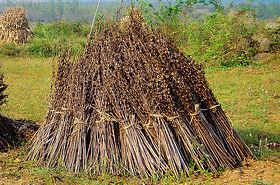
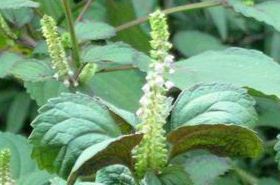
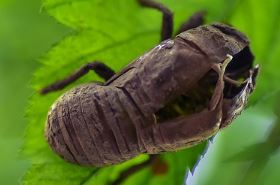
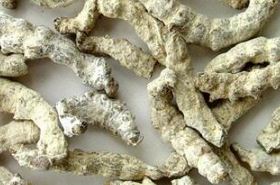
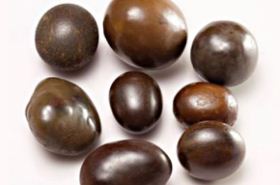
Hey there, ever heard of Spotted Bamboo Root (Ban Zhu Gen)? In Traditional Chinese Medicine (TCM), it’s a fascinating herb derived from the root and rhizome of the Phyllostachys bambusoides plant, a member of the Poaceae (grass) family. This particular part of the plant is considered to have a mild, slightly bitter taste and a cooling nature, making it a go-to for specific health concerns in TCM practices.
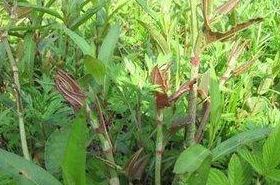
How to Use Spotted Bamboo Root
Typically, for internal use, Spotted Bamboo Root is prepared as a decoction. You’d steep about 15-30 grams of the herb in water and drink the resulting tea. Always follow the guidance of a qualified TCM practitioner for precise dosages and preparation methods tailored to your individual needs.
The Power of Spotted Bamboo Root: Actions and Main Indications
Spotted Bamboo Root is renowned in TCM for its ability to address several conditions. Its main actions include:
- Dispelling Wind and Dampness: This refers to its capacity to alleviate conditions often characterized by stiffness, swelling, and pain, much like what we see in rheumatic conditions. It essentially helps your body clear out "unwanted influences" that can cause discomfort and hinder circulation.
- Relieving Cough and Asthma: It’s used to soothe the respiratory system, helping to calm persistent coughs and ease asthmatic breathing difficulties.
- Stopping Bleeding: This herb also has properties that can help halt various types of bleeding.
Based on these actions, Spotted Bamboo Root is primarily indicated for treating conditions like:
- Rheumatic pain (known as "Bi Syndrome" in TCM) and general aches in the limbs, muscles, and bones. This makes it a potential ally for joint and muscle discomfort, often associated with damp and cold weather. Research suggests that various parts of bamboo possess anti-inflammatory and analgesic effects, supporting their traditional use in pain management. PMID: 33423789
- Cough and asthma, especially when associated with phlegm or a sense of chest tightness. For centuries, bamboo-derived medicines have been noted for their beneficial effects on respiratory health. The Huang Di Nei Jing (The Yellow Emperor's Classic of Internal Medicine), a foundational text of TCM, discusses principles of balancing internal energies and addressing external pathogens to alleviate respiratory distress, a philosophy that informs the use of herbs like Spotted Bamboo Root for conditions such as cough and asthma.
- Profuse uterine bleeding (metrorrhagia), where its hemostatic properties can be particularly beneficial. Research into natural compounds for hemostasis often includes traditional herbs known for their blood-stopping abilities. PMID: 37613628
Spotted Bamboo Root in Combination Therapies
In TCM, herbs are often combined to enhance their effects and address complex patterns of disharmony. The "Sichuan Chinese Materia Medica" (《四川中药志》) records a specific combination for treating cough and asthma:
To address persistent cough and asthma, Spotted Bamboo Root is traditionally combined with Ephedra Root (Ma Huang Gen), Lophatherum Leaf (Jin Zhu Ye), and Lao Su Dou (the root of Perilla frutescens). These ingredients are then stewed with meat and consumed. Important Safety Alert: Ephedra Root (Ma Huang Gen) contains ephedrine alkaloids, which can have significant stimulant effects on the cardiovascular and nervous systems. It should be used with extreme caution, only under the strict supervision of a qualified TCM practitioner, and is contraindicated for individuals with heart conditions, high blood pressure, or anxiety disorders. Never self-prescribe or exceed recommended dosages.
Traditional Perspectives on Spotted Bamboo Root
Different historical texts shed light on the understanding and application of Spotted Bamboo Root:
From "Simple Herbal Prescriptions" (《草本便方》): This text notes its mild nature. It emphasizes its ability to dispel "Wind and Dampness" and clear "Cold from the Lungs." It specifically recommends Spotted Bamboo Root for treating asthma with a phlegmy cough, and persistent, stubborn pain and numbness in the limbs, muscles, and bones. This aligns with its modern use for rheumatic conditions and respiratory issues.
From "Sichuan Chinese Materia Medica" (《四川中药志》): This compendium highlights its actions in clearing "Damp-Heat" and dispelling "Wind-Cold." These are specific pathogenic factors in TCM that contribute to various illnesses, reinforcing its versatility in addressing different types of imbalances.
Quick Check & Action Plan
Feeling a bit achy from the damp weather or dealing with a lingering cough that just won’t quit? Here’s a quick self-check and self-help guide:
- If you’re experiencing persistent, dull aches in your joints or muscles, especially in damp or cold conditions, AND you have a mild, lingering cough or occasional shortness of breath, then it might be worth discussing herbs like Spotted Bamboo Root with a TCM professional.
- Immediately, consider applying gentle warmth and ensuring adequate rest for aching areas. For a mild cough, try warm herbal teas like ginger or honey lemon to soothe your throat and keep yourself hydrated. This isn't a substitute for professional medical advice, but it can offer temporary comfort while you seek expert guidance.
For informational purposes only. Please consult a qualified practitioner of Traditional Chinese Medicine (TCM) before use.
References
Supports the anti-inflammatory and pain-relieving uses of bamboo parts. PMID: 33423789
Illustrates the broader research into natural compounds for hemostasis, including traditional herbs. PMID: 37613628