Shui Liansha: An Overview of Cotoneaster horizontalis in TCM
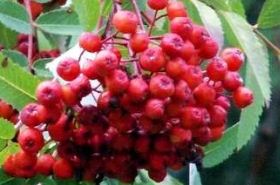
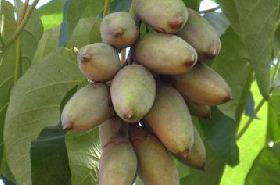
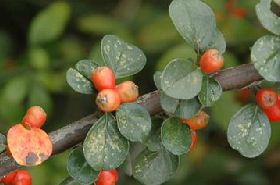
Shui Liansha, known botanically as Cotoneaster horizontalis Dcne., is a traditional Chinese herb derived from a resilient plant belonging to the Rosaceae family. Revered in traditional Chinese medicine (TCM) for its distinct properties and wide range of applications, this herb has been used for centuries to address various health concerns, particularly those related to digestive and gynecological wellness. Let's dive into what makes Shui Liansha a valued component in the natural healing toolkit.
Flavor & Nature
In TCM, Shui Liansha is characterized by a taste that is both tart (sour) and astringent (binding), and it possesses a cooling nature. These properties are key indicators of its therapeutic actions within the body.
Channel Tropism
Shui Liansha is traditionally said to enter the Lung and Liver meridians. This means its actions primarily influence the physiological functions associated with these organ systems in TCM, impacting areas like respiratory health, detoxification, and blood regulation.
Medicinal Parts
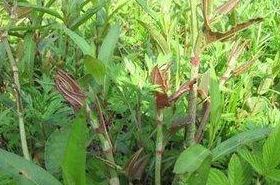
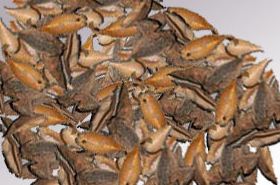
The parts of the Cotoneaster horizontalis Dcne. plant used for medicinal purposes include its branches, leaves, or roots. The choice of part often depends on the specific therapeutic goal.
Usage & Dosage of Shui Liansha
For internal use, Shui Liansha is typically prepared as a decoction. The recommended dosage ranges from 10 to 15 grams per preparation. As with any herbal remedy, it's crucial to consult a qualified healthcare practitioner for appropriate dosage and to ensure it's suitable for your specific condition.
Preparation
Shui Liansha can be harvested throughout the year. After collection, the plant material is thoroughly washed, sliced, and then sun-dried to prepare it for medicinal use.
Traditional Actions & Indications of Shui Liansha
Actions
The traditional actions of Shui Liansha include clearing heat and resolving dampness, transforming phlegm to soothe coughs, stopping bleeding, and alleviating pain. These combined effects contribute to its broad therapeutic applications.
Herbal medicine, including those with properties to clear heat and dampness, plays a significant role in managing inflammatory conditions. PMID: 32688014
Indications
Shui Liansha is traditionally indicated for a range of conditions, including:
- Dysentery
- Diarrhea and abdominal pain
- Coughs
- Coughing up blood (hematemesis)
- Painful menstruation (dysmenorrhea)
- Excessive vaginal discharge (leukorrhea)
Systematic reviews often highlight the efficacy of herbal medicine in alleviating symptoms of primary dysmenorrhea. PMID: 35140306
Traditional Formulas & Combinations
One notable traditional formula involving Shui Liansha addresses women's health issues:
For painful menstruation and leukorrhea in women: Take 500g of the root or whole plant (Cotoneaster horizontalis). Chop it finely and boil in 2000ml of water. Once boiling, add 7-8 hard-boiled duck eggs (shells gently cracked). Simmer on low heat for 5-6 hours. Consume the decoction and eggs in several divided doses. (Cited from *Flora of Tianmu Mountain Medicinal Plants*).
Related Traditional Discussions
The *Flora of Tianmu Mountain Medicinal Plants* explicitly states that Shui Liansha "treats painful menstruation and leukorrhea in women," highlighting its historical application in gynecological care.
Traditional Chinese Medicine therapies, including herbal formulas, are frequently explored for the management of acute and chronic cough. PMID: 37910166
References
- Herbal medicine, including those with properties to clear heat and dampness, plays a significant role in managing inflammatory conditions. PMID: 32688014
- Systematic reviews often highlight the efficacy of herbal medicine in alleviating symptoms of primary dysmenorrhea. PMID: 35140306
- Traditional Chinese Medicine therapies, including herbal formulas, are frequently explored for the management of acute and chronic cough. PMID: 37910166
Quick Self-Check & Self-Care
If you often experience abdominal discomfort alongside irregular bowel movements like diarrhea, OR persistent coughs that feel heavy with phlegm, OR struggle with painful periods and unusual discharge... Then consider exploring the potential of traditional herbal remedies. Immediately consult a TCM practitioner to discuss if Shui Liansha could be a suitable option for your unique body constitution.
For informational purposes only. Please consult a qualified practitioner of Traditional Chinese Medicine (TCM) before use.