Chinese Rose
Aliases: Four Seasons Flower, Monthly Red, Chinese Monthly Rose.
Flavor and Nature: Sweet, Warm.
Meridian Tropism: Liver Meridian.
Medicinal Part: The dried flower of Rosa chinensis Jacq., a plant from the Rosaceae family.
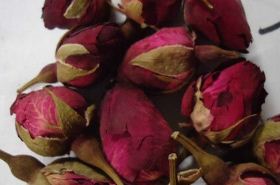
Morphological Characteristics: This herb typically appears spherical, with a diameter of 1.5–2.5 cm. Its receptacle is oblong, and it features five dark green sepals with pointed tips. The petals are arranged imbricately, some may be scattered, and are oblong, varying in color from purplish-red to pale purplish-red. Numerous yellow stamens are present. The herb is light in weight and brittle in texture. It possesses a clear, fragrant aroma, and its taste is mild with a slight bitterness.
Chinese Rose: Usage and Dosage
Dosage: 3–6g.
Processing Method: Air-dried in the shade or dried at low temperatures.
Chinese Rose: Actions and Indications
Actions: In Traditional Chinese Medicine (TCM), Chinese Rose is valued for its ability to invigorate blood, regulate menstruation, soothe the Liver, and relieve stagnation and emotional distress. In simpler terms, it promotes healthy blood flow, helps balance menstrual cycles, eases liver stagnation, and can alleviate mood swings.
Indications: It is traditionally used to address conditions stemming from the stagnation of vital energy (Qi) and blood circulation. These include various menstrual irregularities such as irregular menstruation, menstrual pain (dysmenorrhea), and the absence of menstruation (amenorrhea). It is also applied for symptoms like distension or pain in the chest and hypochondriac region.
Chinese Rose: Precautions and Contraindications
It is important not to exceed the recommended dosage for Chinese Rose, as excessive or prolonged use may lead to uncomfortable side effects such as abdominal pain and loose stools or diarrhea. Additionally, pregnant women should use this herb with caution. Always consult with a qualified Traditional Chinese Medicine practitioner or other healthcare professional, especially if you are pregnant, nursing, or have any pre-existing medical conditions, before incorporating any new herbal remedies into your regimen.
Historical Records and Commentary on Chinese Rose
1. From the renowned classical text, Bencao Gangmu (Compendium of Materia Medica): "It invigorates blood, reduces swelling, and can be applied externally for toxic swellings."
2. In Benjing Fengyuan (Source of the Classic Materia Medica): "Chinese Rose is an excellent herb for invigorating blood. It is used in poultices for swollen ulcers. For smallpox sores that are latent or suppressed due to disruption of the monthly vital energy, adding Chinese Rose to decoctions can help them surface. This is attributed to its monthly blooming cycle, which parallels the regularity of menstruation – a symbolic meaning, yet also demonstrating its potent blood-invigorating capabilities."
References
PMID: 35154378: Research indicates Rosa chinensis contains various beneficial phytochemicals with antioxidant properties, contributing to overall health.
PMID: 26034988: Studies have explored the anti-inflammatory and analgesic effects of Rosa chinensis extracts, supporting its traditional use for pain relief.
PMID: 36622346: Investigations suggest Rosa chinensis flowers may protect the liver by mitigating oxidative stress and inflammation, aligning with its Traditional Chinese Medicine role in soothing the liver.
Quick Self-Check & Self-Help Tips
If... you often experience irritability, breast tenderness, or abdominal distension around your menstrual cycle, signs often associated with Liver Qi stagnation in TCM, Then... consider incorporating Chinese Rose tea into your wellness routine. Its traditional properties may help soothe your system and promote smoother vital energy flow.
Immediately... try a warm cup of Chinese Rose tea, made by steeping 3-6g of dried flowers in hot water for 5-10 minutes. Sip slowly and practice deep breathing to enhance relaxation and help alleviate discomfort.
Important Disclaimer
For informational purposes only. Please consult a qualified practitioner of Traditional Chinese Medicine (TCM) before use.