Hong Zeland
Also Known As: Shan Zeland, Zeland, Drooping Spicate Strobilanthes, Mimic Strobilanthes.
Flavor and Nature: Bitter, pungent, and warm in nature. In Traditional Chinese Medicine (TCM), bitter flavors often drain and dry, pungent flavors promote circulation, and a warm nature helps to invigorate and dispel cold, making it suitable for conditions associated with cold or stagnation.
Meridian Tropism: Primarily acts upon the Liver and Spleen meridians. This means that, according to TCM theory, Hong Zeland is believed to exert its therapeutic effects predominantly on the functions associated with the Liver (such as regulating qi and blood, managing menstruation, and alleviating pain) and the Spleen (responsible for digestion, nutrient absorption, and managing dampness).
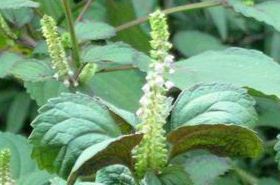
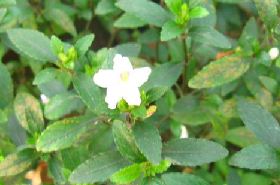
Medicinal Part: The entire plant of Championella japonica (Thunb.) Brem., a species belonging to the Acanthaceae family.
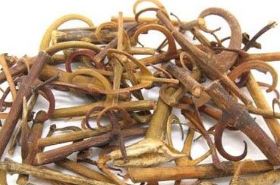
Morphological Characteristics: The dried whole herb typically measures around 55 cm in length and presents a purplish-black color. The stem is quadrangular, approximately 3-5 mm thick, gradually tapering towards the ends. It features longitudinal striations and distinct nodes, with internodes measuring about 4-8 cm long. Branches grow oppositely at the nodes. The herb is brittle and easily broken, revealing a small hollow core in the cross-section. The leaves are often shriveled or fragmented; when intact, they are lanceolate, reaching about 40 cm in length. It possesses a faint, clean aroma.
Dosage and Preparation of Hong Zeland
Dosage: Typically, 9-15 grams.
Preparation: Harvest the plant during summer or autumn. Wash thoroughly, cut into segments, and then sun-dry.
Therapeutic Actions and Indications of Hong Zeland
Therapeutic Actions: Invigorates blood, promotes healthy menstruation, dispels blood stasis, and relieves pain. These actions are crucial in TCM for addressing conditions where blood flow is impaired or stagnant, leading to discomfort or dysfunction.
Indications: Hong Zeland is traditionally used to address a range of conditions including dysmenorrhea (painful menstruation), pelvic inflammatory disease, postpartum abdominal pain, traumatic injuries (such as sprains and bruises), and rheumatic bone pain. Furthermore, the leaves are noted for their specific functions: promoting healthy digestion, stimulating appetite, facilitating water metabolism, and supporting detoxification processes.
Research into various traditional herbs with similar 'blood invigorating' properties has shown potential in managing gynecological pain. Studies often highlight their anti-inflammatory and analgesic effects, which align with TCM principles of dispelling stagnation to relieve pain. For instance, the use of certain herbs in TCM for dysmenorrhea is often linked to their ability to improve uterine blood flow and reduce muscle contractions. PMID: 30678385
The efficacy of botanical remedies in addressing inflammatory conditions, such as pelvic inflammatory disease, is also a topic of ongoing scientific interest. Many TCM herbs contain bioactive compounds that exhibit anti-inflammatory properties, offering a complementary approach to managing chronic inflammation. PMID: 32959600
Traditional Combinations of Hong Zeland
Formulation Example: For managing irregular menstruation or prolonged postpartum abdominal pain accompanied by persistent bleeding: Prepare a decoction by simmering 9-15 grams of Hong Zeland and consume orally. (As cited in "《男女科药膳秘宝大全》" - "Compendium of Medicinal Diet Secrets for Men's and Women's Health").
This traditional application underscores Hong Zeland's role in women's health, particularly in regulating the menstrual cycle and supporting recovery after childbirth. Herbal formulas in TCM are often designed to address complex patterns of imbalance rather than isolated symptoms, leveraging synergistic effects of multiple herbs to achieve broader therapeutic outcomes. PMID: 34293998
Contraindications of Hong Zeland
Important Safety Warning: Pregnant women should strictly avoid using Hong Zeland. Given its actions of invigorating blood and promoting menstruation, it could potentially induce uterine contractions or bleeding, posing risks during pregnancy. Always consult with a qualified healthcare practitioner before using any herbal remedies, especially if you have existing health conditions or are taking other medications.
Historical Mentions of Hong Zeland
The text "《四川常用中草药》" (Sichuan Common Chinese Herbal Medicine) states: "It dispels blood stasis and promotes water metabolism, soothes the Liver and disperses stagnation. It treats irregular menstruation, prolonged postpartum abdominal pain and persistent bleeding, blood dizziness (a form of postpartum shock), abdominal masses (症瘕), carbuncles and swellings, traumatic injuries, as well as edema of the body and face." This historical account further reinforces Hong Zeland's multifaceted applications in TCM, particularly its utility in managing conditions related to blood circulation, fluid balance, and various forms of pain and inflammation.
Got nagging pain or women's health concerns?
If you're experiencing symptoms like painful periods, persistent lower abdominal discomfort after childbirth, or unexplained body aches from an old injury, then it might be time to consider traditional approaches to pain and wellness.
Immediately consult a qualified TCM practitioner to explore if remedies like Hong Zeland could be a gentle, natural part of your recovery journey.
For informational purposes only. Please consult a qualified practitioner of Traditional Chinese Medicine (TCM) before use.
References
[Herbal medicine for dysmenorrhea relief often targets inflammation and uterine blood flow.] PMID: 30678385
[Bioactive compounds in botanical remedies can provide anti-inflammatory effects for chronic conditions.] PMID: 32959600
[TCM formulations for women's health frequently utilize synergistic herbal combinations for broad therapeutic outcomes.] PMID: 34293998