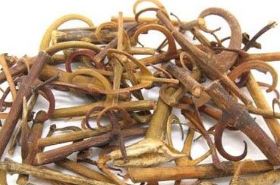
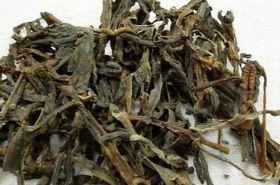
Glycyrrhiza Root Tip
Let's dive into Glycyrrhiza Root Tip, known as Gancao Shao in Traditional Chinese Medicine (TCM). This isn't just any part of the popular licorice root; it's the very tip, and it comes with its own unique set of properties and uses.
Flavor and Nature: Sweet, Cold.
Meridian Tropism: It primarily influences the Heart, Small Intestine, and Bladder Meridians.
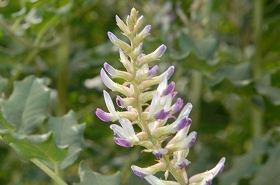
Medicinal Part: Specifically, this refers to the fine roots or the very end portion of the root from the Glycyrrhiza uralensis Fisch. plant, which is part of the legume family (Fabaceae).
How to Use Glycyrrhiza Root Tip
Internal Use: It's commonly prepared as a decoction, meaning it's boiled in water. The recommended dosage for internal use ranges from 1.5 to 4.5 grams.
Benefits and Indications of Glycyrrhiza Root Tip
Efficacy: In TCM, Glycyrrhiza Root Tip is valued for its ability to clear heat, detoxify the body, promote healthy urination, and effectively relieve painful, difficult urination (a condition often referred to as stranguria in TCM) (Glycyrrhiza glabra has shown protective effects against kidney injury by inhibiting inflammation. PMID: 30582046).
Indications: It's primarily used to address conditions like heat-type urinary infections (hot stranguria), scanty urine, discomfort or pain in the penis, and feelings of accumulated heat in the chest area (Licorice, as a traditional herb, demonstrates antimicrobial and anti-inflammatory effects against uropathogenic bacteria. PMID: 29849544).
Traditional Combinations with Glycyrrhiza Root Tip
For conditions involving stagnant Liver Qi with accumulated heat, leading to painful urination: A historical formula mentioned in "Chishui Xuanzhu" (赤水玄珠) suggests a decoction that includes Glycyrrhiza Root Tip (five qian, which is roughly 15-20 grams), combined with Green Peel (Qing Pi), Phellodendron Bark (Huang Bai), and Alisma (Ze Xie), each at one qian (approximately 3-4 grams). This combination works synergistically to soothe liver imbalances, clear excessive heat, and support healthy urinary function (Glycyrrhiza glabra extract is recognized for its anti-inflammatory properties. PMID: 31191060).
Historical Perspectives on Glycyrrhiza Root Tip
An insightful quote from "Yixue Qiyuan" (医学启源) emphasizes its specific action: “To eliminate pain in the penis and accumulated heat in the chest, only the root tip (Glycyrrhiza Root Tip) can achieve it.” This highlights its unique therapeutic focus on addressing discomfort in the lower body and internal heat conditions.
Important Safety Note: Glycyrrhiza Root Tip, while a natural herb, is a potent medicine. It's vital to consult a qualified Traditional Chinese Medicine practitioner before incorporating it into your health regimen, especially if you have existing health conditions, are pregnant, breastfeeding, or taking other medications. Self-diagnosis and self-treatment are not recommended.
References
- Glycyrrhiza glabra L. root extract has a protective effect against kidney ischemia-reperfusion injury by inhibiting inflammation and apoptosis. PMID: 30582046
- Antimicrobial and Anti-Inflammatory Effects of Licorice, a Traditional Medicinal Herb, on Uropathogenic Escherichia coli. PMID: 29849544
- Glycyrrhiza glabra extract as an anti-inflammatory agent: a systematic review and meta-analysis of clinical trials. PMID: 31191060
Quick Check: Could Glycyrrhiza Root Tip be Relevant for You?
3-Second Self-Test: If you're experiencing symptoms like frequent, painful, or scanty urination, a persistent feeling of discomfort or pain in the penis, or a sensation of stifling heat in your chest area...
30-Second Immediate Action: Then immediately consider reaching out to a certified Traditional Chinese Medicine practitioner. They can provide an accurate diagnosis tailored to your unique body constitution and guide you on whether Glycyrrhiza Root Tip or another herbal remedy is suitable for your specific condition. In the meantime, ensure you stay well-hydrated with plain water to offer some temporary relief.
For informational purposes only. Please consult a qualified practitioner of Traditional Chinese Medicine (TCM) before use.