Plantain Herb
Aliases: Toad's Robe (虾蟆衣, Xiāmáyī), Ox Residue (牛遗, Niúyí), Superior Slippers (胜舄, Shèngxì).
Taste & Energetic Nature: Sweet in taste, cold (cooling) in nature.
Meridian Tropism: Traditionally understood to primarily influence the Liver, Kidney, and Bladder meridians.
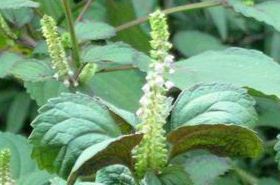
Medicinal Part: The dried or fresh whole herb of Plantago asiatica L. or Plantago depressa Willd., both members of the Plantaginaceae family.
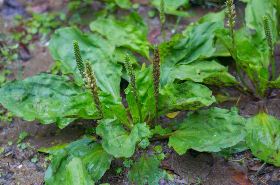
How to Use Plantain Herb
Dosage & Administration: For internal use, typically 9–30g of the dried herb, or 30–60g of the fresh herb. This is commonly prepared as a decoction (boiled in water) for oral consumption, or juiced. For external application, an appropriate amount of the fresh herb can be mashed and applied directly to the affected area.
Preparation: To prepare Plantain Herb, simply remove any impurities, wash thoroughly, cut into sections, and then sun-dry.
What Plantain Herb is Good For (Traditional Uses)
Key Actions: Clears heat, promotes urination (diuretic properties), resolves phlegm, cools the blood, and detoxifies the body.
Main Indications: Traditionally used for conditions such as edema with reduced urination, painful and difficult urination due to heat (often associated with urinary tract discomfort), diarrhea or dysentery from summer-heat and dampness, coughing accompanied by phlegm and heat, bleeding symptoms like vomiting blood and nosebleeds, and external issues including boils, sores, and toxic swellings.
Important Considerations and Contraindications
It's crucial to understand who should avoid Plantain Herb. It is traditionally contraindicated for individuals experiencing 'Kidney deficiency leading to unstable essence and seminal emission' (肾虚不固滑精). This generally refers to a specific pattern of weakness in the Kidney's ability to hold and secure vital essences, which might manifest as involuntary seminal emissions or or general weakness. Always consult with a qualified TCM practitioner to determine if Plantain Herb is appropriate for your specific health condition.
Historical Perspectives on Plantain Herb
TCM texts have long highlighted the versatile applications of Plantain Herb:
1. From Bié Lù (《别录》 - Miscellaneous Records of Famous Physicians): This ancient text notes Plantain Herb's uses for 'gold sores' (metal wounds), stopping nosebleeds and other hemorrhages, addressing blood stasis and abdominal masses (blood accumulation), rectal bleeding, red urine, calming restlessness, promoting downward flow of Qi, and expelling minor parasites.
2. From Běncǎo Gāngmù (《本草纲目》 - Compendium of Materia Medica) by Li Shizhen: Referencing Wang Min's Shanju Lu (《山居录》), this work mentions a method of harvesting Plantain shoots for consumption, indicating that 'people in ancient times often used it as a vegetable.' It also notes that 'today, country folk still gather and eat it.' This highlights its historical use not just as medicine, but as a food source.
Quick Self-Check & Self-Care Tip
In 3 Seconds: If you're experiencing occasional minor discomfort with urination or a slight feeling of swelling, especially in warm weather...
Then, Immediately in 30 Seconds: Consider discussing Plantain Herb's potential benefits with a qualified Traditional Chinese Medicine practitioner. For immediate minor relief from irritation, try increasing your intake of pure water and consuming cooling, hydrating foods.
References
- Studies suggest Plantago asiatica possesses diuretic properties, supporting its traditional use for conditions involving water retention. PMID: 21871216
- Research indicates anti-inflammatory and analgesic activities in Plantago asiatica extracts, aligning with its TCM function of clearing heat. PMID: 25492477
- Comprehensive reviews highlight the phytochemical richness and diverse pharmacological actions of Plantago asiatica, including antioxidant and detoxifying potentials. PMID: 32668962
For informational purposes only. Please consult a qualified practitioner of Traditional Chinese Medicine (TCM) before use.