Corn Silk: A Gentle Herb from Traditional Chinese Medicine
You might toss it away, but the silky threads clinging to your fresh corn on the cob, known as Corn Silk (or Yumixu in Chinese), hold a special place in Traditional Chinese Medicine (TCM). Often called "Yu Shushui" or "Bao Gu Xu" in various dialects, this humble part of the corn plant is much more than just a husk adornment.

In TCM, Corn Silk is described as having a sweet and mild taste, with a neutral energetic nature. It primarily influences the Bladder, Liver, and Gallbladder meridians, suggesting its traditional uses often relate to these organ systems.
What is Corn Silk?
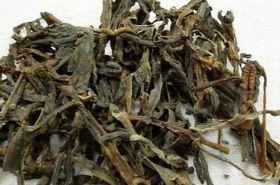
The medicinal part of Corn Silk comes from the pistil and stigma of the Zea mays L. plant (common corn). When you look closely, Corn Silk often forms loose clusters. The individual threads are linear or hair-like, reaching up to 30 cm in length and about 0.5 mm in diameter. They can range in color from light green, yellowish-green to brownish-red, often with a slight sheen and transparency. The stigma typically splits into two forks. It's soft to the touch, has no distinct aroma, and a mild taste. The best quality Corn Silk is usually soft and lustrous.
How to Use Corn Silk in TCM
Traditional Usage: Typically, Corn Silk is prepared as a decoction. The recommended dosage for a decoction is 30 to 60 grams.
Preparation Method: For medicinal use, Corn Silk is simply sun-dried.
Functions and Traditional Uses of Corn Silk
Corn Silk is highly valued for its gentle yet effective properties in TCM. Its main functions are to promote urination, reduce swelling, clear liver heat, and benefit the gallbladder.
Traditionally, Corn Silk is indicated for a range of conditions, including:
- Edema (Swelling): Due to its diuretic properties, it’s often used to help the body shed excess fluid.
- Difficult or Painful Urination: For conditions like urinary dribbling or painful urination (淋沥).
- Jaundice: Supporting liver and gallbladder function to help clear yellowing of the skin and eyes.
- Cholecystitis and Gallstones: Assisting in clearing heat and promoting bile flow to support gallbladder health.
- High Blood Pressure: Traditionally used as a supportive remedy for hypertension (PMID: 29775051).
- Diabetes: Employed to help manage blood sugar levels (PMID: 21971775).
- Insufficient Breast Milk: To promote lactation and resolve blocked milk ducts.
Traditional Corn Silk Combinations and Remedies
Throughout TCM history, Corn Silk has been combined with other ingredients for specific therapeutic effects:
- For Hives (Wind Rash) and Heat Toxins: According to "Sichuan Chinese Materia Medica," Corn Silk is burned to ash and mixed with fermented glutinous rice wine (醪糟) for oral consumption.
- For Diabetes: "Zhejiang Folk Herbal Medicine" suggests decocting one ounce (around 30g) of Corn Silk for oral use.
- For Primary Hypertension: "Sichuan Chinese Materia Medica" recommends decocting Corn Silk with watermelon rind and banana.
- For Chronic Runny Nose (Brain Leakage): "Zhejiang Folk Herbal Medicine" mentions drying Corn Silk and smoking it in a pipe, similar to dry tobacco. (Note: This traditional method involves smoking and modern approaches typically avoid inhaling smoke. Please consult a practitioner for safe and effective treatments for nasal issues.)
Historical Perspectives on Corn Silk in TCM
Several classical texts highlight the versatile applications of Corn Silk:
- From "Dian Nan Ben Cao" (Materia Medica of Yunnan): It is stated that Corn Silk "loosens bowels and descends Qi," treating breast lumps in women, blocked lactation, redness, swelling, pain, chills with fever, headache, and body fatigue.
- From "Ling Nan Cai Yao Lu" (Collected Herbal Medicines of Lingnan): Notes that decocting Corn Silk with pork is used to treat diabetes. It also addresses painful urination with gravel or stones, advising frequent consumption of its decoction.
- From "Min Jian Chang Yong Cao Yao Hui Bian" (Compendium of Commonly Used Folk Herbs): It is documented to lower blood pressure and promote urination and reduce swelling. It also treats nosebleeds and abnormal uterine bleeding (red collapse).
- From "Sichuan Chinese Materia Medica": Describes Corn Silk as clearing heat from the blood and promoting urination. It treats jaundice, wind-heat patterns, skin rashes, vomiting blood, and abnormal uterine bleeding (red collapse) (PMID: 29910549).
While Corn Silk is generally considered gentle and safe for most people, it’s crucial to consult with a qualified healthcare provider or a licensed practitioner of Traditional Chinese Medicine before using it, especially if you have existing health conditions like diabetes, high blood pressure, kidney issues, or are taking medications. Self-treating serious conditions can be dangerous, and professional guidance ensures appropriate dosage and suitability for your specific health needs.
Quick Check-in: Are You Experiencing These Symptoms?
3-Second Self-Test:
- If you're noticing persistent puffiness or swelling, especially in your ankles or face...
- If you have frequent, uncomfortable urination, or feel like your bladder isn't emptying fully...
- If you've been diagnosed with high blood pressure or diabetes and are exploring complementary wellness support...
30-Second Self-Help Tip:
If you identify with any of these, consider discussing Corn Silk with your TCM practitioner. A simple, gentle approach might be to prepare a mild tea: steep 10-15 grams of dried corn silk in hot water for 10 minutes. This can offer a soothing, supportive effect while you seek professional advice. Remember, this is not a substitute for medical consultation!
References
- Research suggests Corn Silk water extract possesses diuretic and antihypertensive activities. PMID: 29775051
- Studies indicate that Corn Silk aqueous extract can have hypoglycemic and hypolipidemic effects in diabetic models. PMID: 21971775
- Polysaccharides derived from Corn Silk have demonstrated anti-inflammatory and antioxidant activities. PMID: 29910549
For informational purposes only. Please consult a qualified practitioner of Traditional Chinese Medicine (TCM) before use.