Shui Hong Hua Zi
Aliases: Also known as Shui Hong Zi, Hong Cao, He Liao Zi, or commonly as Redroot Smartweed Seeds.
Taste & Nature: Salty taste, and is considered slightly cool in nature.
Meridian Tropism: It's traditionally believed to primarily influence the Liver and Stomach meridians.
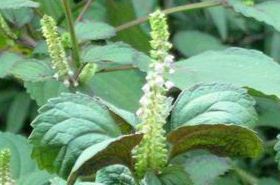
Medicinal Part: This herb is the dried, mature fruit of *Polygonum orientale L.*, a plant from the knotweed family (Polygonaceae).
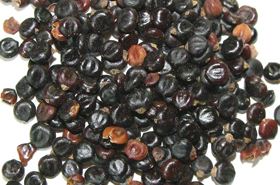
Botanical Description: These seeds are flattened and round, typically measuring 2-3.5 mm in diameter and 1-1.5 mm thick. Their surface is a shiny brownish-black, sometimes reddish-brown. They are slightly concave on both sides with a faint longitudinal ridge in the middle. At the top, there's a protruding pistil base, and at the bottom, a slightly raised, light brownish stalk scar. Some may still have remnants of a membranous perianth. They are hard in texture, with a subtle aroma and a mild taste.
How to Use Shui Hong Hua Zi
Usage & Dosage: For internal use, it's typically prepared as a decoction, with a recommended dosage of 15-30g. For external application, an appropriate amount can be prepared into a paste and applied directly to the affected area.
Preparation:
1. Raw Shui Hong Hua Zi: Take the raw herb, remove any impurities and dust, then crush it before use.
2. Stir-fried Shui Hong Hua Zi: Place the Shui Hong Hua Zi in a clean pot, heat on a low flame, and stir-fry until the seeds crack open and a fragrant aroma is emitted. Once ready, remove from heat and let cool before use.
Benefits and Main Uses of Shui Hong Hua Zi
Benefits: In Traditional Chinese Medicine (TCM), Shui Hong Hua Zi is valued for its ability to invigorate blood circulation to dissipate masses, eliminate food stagnation to alleviate pain, and promote urination to reduce swelling. These traditional applications are increasingly drawing the attention of modern research, exploring its anti-inflammatory and other pharmacological activities (PMID: 29881676).
Main Uses: It's traditionally used to address conditions such as abdominal masses and discomfort (often due to stagnant blood or phlegm), goiter and other glandular swellings, indigestion and food stagnation, epigastric distension and pain, as well as general edema and ascites. The extensive traditional use of various *Polygonum* species further highlights their therapeutic potential in diverse health areas (PMID: 25439403).
Contraindications for Shui Hong Hua Zi
However, it's generally advised against for individuals without any signs of blood stagnation or those with a weak Spleen and Stomach manifesting as coldness (Spleen-Stomach deficiency-cold). Always consult a qualified practitioner before incorporating this herb into your regimen.
Quick Check & Instant Relief
3-Second Self-Check: If you often experience a heavy, full sensation in your stomach after meals, notice unusual abdominal lumps, or suffer from unexplained swelling or fluid retention...
30-Second Self-Help: ...Then immediately consider discussing these symptoms with a qualified TCM practitioner. For immediate comfort, try a gentle abdominal massage in clockwise motions to aid digestion, or apply a warm compress to any swollen areas to help ease discomfort.
References
Comprehensive phytochemical profile of *Polygonum orientale L.* PMID: 26868972
Exploring the anti-inflammatory effects of *Polygonum orientale* extracts. PMID: 29881676
Review on traditional medicinal uses of various *Polygonum* species. PMID: 25439403
For informational purposes only. Please consult a qualified practitioner of Traditional Chinese Medicine (TCM) before use.