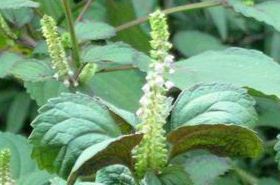
Ardisia punctata
Aliases: Blood Root (Xue Dang), Vitalizing Blood Fetus (Huoxuetai), Gland-dotted Ardisia, Spotted-Leaf Cinnabar Root, Small Umbrella Grass, Pearl Canopy Grass.
Flavor and Nature: It possesses a bitter, sweet, and pungent flavor, and is warm in nature.
Meridian Tropism: This herb is associated with the Liver, Bladder, and Kidney meridians.
Medicinal Part: The roots or the entire plant of Ardisia punctata Lindl., a species from the Primulaceae family, are traditionally used.
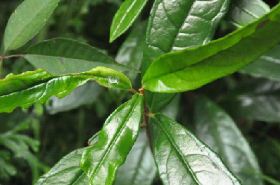
Usage and Dosage of Ardisia punctata
Internal Use: For decoction (herbal tea), typically 15-30g.
Actions and Indications of Ardisia punctata
Actions (Functions): Invigorates blood circulation, regulates menstruation, and dispels wind and dampness. This action is central to TCM practices aimed at women's health [Chinese herbal medicine offers potential benefits for primary dysmenorrhea PMID: 32092497].
Indications (Main Uses): It's traditionally used for conditions like amenorrhea (absence of menstruation), dysmenorrhea (painful periods), rheumatic pain (Bi syndrome), and traumatic injuries. Several species within the Ardisia genus have been investigated for their anti-inflammatory properties, supporting their traditional use for conditions involving pain and inflammation [Studies indicate anti-inflammatory activity in related Ardisia species PMID: 29775390].
Traditional Combinations (Formulas)
For painful menstruation and sallow complexion (often associated with deficiency or anemia): Combine Xue Dang (Ardisia punctata), Turmeric (Jiang Huang), Madder Root (Qian Cao), Areca Nut Drill (Bing Lang Zuan), and Golden Flower Inverted Water Lotus (Huang Hua Dao Shui Lian). Prepare as a decoction for oral administration. (Excerpt from "New Selections of Practical Guangxi Chinese Herbal Medicines").
Contraindications and Safety Information
Important Note: Pregnant women should strictly avoid taking Ardisia punctata. As with any herbal remedy, it's crucial to consult with a qualified Traditional Chinese Medicine practitioner before use, especially if you have pre-existing conditions or are taking other medications.
Historical and Modern Perspectives on Ardisia punctata
Traditional texts and clinical observations offer further insights into the applications of Ardisia punctata. The diverse therapeutic applications can be attributed to its complex phytochemical profile, which has been an area of ongoing scientific inquiry [The genus Ardisia is known for various bioactive compounds PMID: 26034440].
1. From "New Selections of Practical Guangxi Chinese Herbal Medicines": "Alleviates painful menstruation, tonifies blood, and dispels wind-dampness. Treats irregular menstruation, amenorrhea, infertility, postpartum wind-pain, paralysis, and anemia."
2. From "Handbook of Common Chinese Herbal Medicines" (Guangzhou Military Region): "Dispels wind, dissipates stagnation, reduces swelling, and alleviates pain. Treats rheumatic arthritis, traumatic injuries, sore throat, and stomatitis (oral inflammation)."
If you're constantly battling with menstrual discomfort, unexplained body aches, or slow recovery from minor injuries, then you might be experiencing patterns that TCM aims to address. Immediately, consider exploring holistic approaches and discussing herbal options like Ardisia punctata with a qualified practitioner to support your body's natural balance.
References
Chinese herbal medicine offers potential benefits for primary dysmenorrhea PMID: 32092497
Studies indicate anti-inflammatory activity in related Ardisia species PMID: 29775390
The genus Ardisia is known for various bioactive compounds PMID: 26034440
For informational purposes only. Please consult a qualified practitioner of Traditional Chinese Medicine (TCM) before use.