Chicken Brain
Alright, let's dive into something pretty unique from Traditional Chinese Medicine (TCM): Chicken Brain. In the world of TCM, every ingredient, no matter how unconventional it might seem to us today, has its specific properties. Chicken brain is traditionally described as being sweet in taste and neutral in nature.
From a TCM perspective, this particular ingredient is understood to act on the Heart and Liver meridians. These meridians aren't just anatomical pathways; they represent complex networks of physiological functions and energetic influences within the body. The Heart meridian is often linked to our consciousness, mental clarity, and circulation, while the Liver meridian is associated with the smooth flow of Qi (vital energy), blood, and plays a key role in emotional regulation and muscular function.
Usage and Dosage of Chicken Brain in TCM
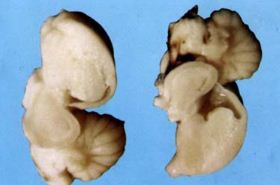
Historically, the traditional method for internal administration of chicken brain involved a very specific preparation: an appropriate amount would be burned to ash and then consumed orally, often taken with wine. This ancient approach highlights the transformative processes sometimes used in TCM to alter or enhance an ingredient's therapeutic properties.
Important Safety Note: Please understand that traditional preparation methods, such as burning to ash, are highly specialized and carry potential risks if not performed by an expert. This information is purely for historical and educational purposes. Self-administering traditional preparations described in historical texts, especially those involving burning or unusual processing, is not recommended and should NEVER be attempted without the direct supervision and guidance of a highly qualified and licensed Traditional Chinese Medicine practitioner. Always prioritize safety and professional medical advice.
Traditional Functions and Indications of Chicken Brain
Functions: In TCM, the primary traditional function of chicken brain is described as "calming spasms and dissipating internal wind." Now, "internal wind" might sound a bit mysterious, right? Think of it in a modern health context as referring to various neurological disturbances, involuntary movements, tremors, or conditions where there's an internal imbalance manifesting as rapid, sudden, or erratic symptoms. So, 'dissipating internal wind' aims to bring stability and stillness back to the body and mind.
Indications: Based on these functions, chicken brain was historically indicated for a range of conditions. These primarily include fright-induced seizures or similar epileptic episodes, children's night crying (which TCM often associates with internal disturbances or "wind"), and addressing challenges or complications during childbirth in women. The idea is that it helps to soothe the nervous system and promote smoother bodily processes. (Acupuncture, a key TCM modality, is also explored for its effects on various neurological conditions, including seizures, demonstrating TCM's broader approach to such issues. PMID: 35058778).
Addressing internal "wind" also extends to conditions involving involuntary movements. TCM has a rich history of approaching such neurological complexities. (For example, studies have investigated the effectiveness of Traditional Chinese Medicine on essential tremor, further illustrating its scope in neurological support. PMID: 36729906).
Furthermore, TCM has long provided support for women's health, including during pregnancy and childbirth, with various traditional remedies and techniques aimed at promoting comfort and easing labor. (Acupuncture, for instance, has been systematically reviewed for its effects on labor pain relief. PMID: 30453396).
Quick Check: Could TCM Support Be Right For You?
3-Second Self-Test:
- If you or a loved one experiences occasional involuntary movements, unexpected tremors, or a persistent sense of inner restlessness...
- If you know a child who struggles with unexplained frequent night crying or is easily startled...
- If you're interested in exploring traditional, holistic approaches to women's health and wellness, especially related to balance during significant life stages...
Then, here's Your 30-Second Self-Rescue (Action Plan):
- Immediately consult with a qualified and licensed TCM practitioner to discuss your specific symptoms and explore personalized holistic solutions tailored to your unique constitution.
- Immediately begin to incorporate calming practices into your daily routine, such as deep diaphragmatic breathing or gentle stretching, to help soothe your nervous system.
- Immediately consider how lifestyle factors like diet and sleep might be contributing to any imbalances, and discuss these with a healthcare professional.
References
- A systematic review and meta-analysis indicates acupuncture's potential as an adjunctive treatment for refractory epilepsy. PMID: 35058778
- A systematic review and meta-analysis suggests Traditional Chinese Medicine may be effective in managing essential tremor. PMID: 36729906
- A systematic review and meta-analysis of randomized controlled trials supports the effect of acupuncture on labor pain relief. PMID: 30453396
For informational purposes only. Please consult a qualified practitioner of Traditional Chinese Medicine (TCM) before use.