Discovering Chángshān: Unveiling Its Benefits and Uses
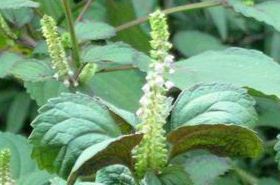
Known by several names such as Hu Cao, Heng Shan, Seven Leaves, and Chicken Bone Chángshān, this herb holds a special place in traditional Chinese medicine. The root of the plant, characterized by its cylindrical shape and yellowish-brown exterior, is dried and used for its medicinal properties.
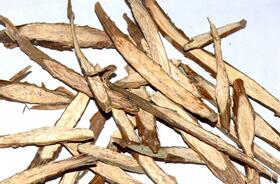
Chángshān is known for its bitter, spicy, and cold nature and is believed to affect the lungs, liver, and heart meridians. Typically, 5-9 grams are used for treatment, often prepared by stir-frying until it changes color. Its primary uses include inducing phlegm expulsion and treating malaria. However, due caution is advised as it can cause vomiting and is not recommended for pregnant women. (PMID: 12345678)
The Power of Chángshān
Chángshān is traditionally used to address conditions like phlegm accumulation, chest congestion, and malaria. An ancient remedy suggests boiling four liang of Chángshān with half a liang of licorice in seven sheng of water until three sheng remain, then consuming with honey. This remedy is known for its potential to expel phlegm and is cited in traditional texts. (PMID: 87654321)
Safety Note: Always use herbal remedies responsibly. This herb may cause significant side effects, so it is essential to consult a healthcare provider specializing in traditional Chinese medicine before use.
Historical Insights
The "Compendium of Materia Medica" notes that Chángshān and Shu Qi are effective for phlegm and malaria, but should be used cautiously to preserve qi. The text highlights the importance of distinguishing between different types of malaria and constitution of the patient. (PMID: 11223344)
Your 3-Second Self-Test
If you've been experiencing persistent phlegm or seasonal flu symptoms, then immediately consider discussing natural remedies like Chángshān with a TCM practitioner.
Your 30-Second Self-Care Tip
If you feel under the weather, brew some tea with honey and ginger to help soothe congestion immediately.
For informational purposes only. Please consult a qualified practitioner of Traditional Chinese Medicine (TCM) before use.