Blood-Stopping Herb (Xue Jian Chou)
Known in Traditional Chinese Medicine (TCM) as Xue Jian Chou (血见愁), or "Blood-Stopping Herb," this powerful plant has a long history of use for its remarkable ability to manage various bleeding conditions and promote overall blood health. It’s also recognized by several other names, reflecting its widespread use and characteristics across different regions. You might hear it called Da Ye Li (Large-leaf Goosefoot) or Za Pei Li (Mixed Goosefoot), as noted in the "Medicinal Plants of Northeast China." Other aliases include Za Hui Li (Mixed Ash Goosefoot) and Da Ye Hui Cai (Large-leaf Ash Vegetable) from "Heilongjiang Chinese Materia Medica," and Ba Jiao Hui Cai (Octagonal Ash Vegetable) from the "Handbook of Common Chinese Herbal Medicines of Northeast China."
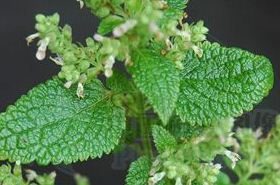
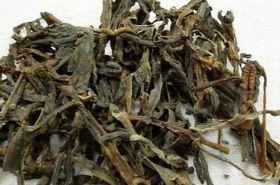
In terms of its energetic properties according to TCM, Blood-Stopping Herb is considered **Sweet (Gan)** in flavor and **Neutral (Ping)** in nature. This means it tends to be harmonious and non-agitating, making it suitable for a wide range of conditions without causing excessive heat or cold. The medicinal part primarily used is the **whole herb** of Da Ye Li (Chenopodium hybridum L.), a member of the Chenopodiaceae family.
How to Use Blood-Stopping Herb
For internal use, Blood-Stopping Herb is typically prepared as a **decoction**, meaning it's simmered in water to extract its medicinal properties. The recommended dosage for an oral decoction is 1 to 3 qian (approximately 3 to 9 grams). Alternatively, it can be processed and concentrated into a **medicinal paste** for easier administration.
**Safety Note:** As with any potent herbal remedy, it is crucial to consult a qualified Traditional Chinese Medicine practitioner or healthcare provider before incorporating Blood-Stopping Herb into your regimen. They can determine the appropriate dosage and ensure its suitability for your specific health condition, preventing potential interactions or adverse effects.
Benefits and Indications of Blood-Stopping Herb
The primary functions of Blood-Stopping Herb are its abilities to **stop bleeding** (止血) and **invigorate blood circulation** (活血). These dual actions make it a versatile herb in TCM, addressing both the immediate need to halt excessive bleeding and supporting healthy blood flow to prevent stagnation and promote healing.
It is traditionally indicated for a variety of conditions, including:
- **Irregular Menstruation (月经不调):** Helping to regulate menstrual cycles and alleviate related discomfort.
- **Abnormal Uterine Bleeding (崩漏):** Addressing excessive or prolonged uterine bleeding outside of the menstrual period.
- **Hemoptysis (咯血):** Stopping the coughing up of blood.
- **Epistaxis (衄血):** Controlling nosebleeds.
- **Hematuria (尿血):** Addressing the presence of blood in the urine.
- **Carbuncles, Sores, and Swellings (疮痈肿毒):** Used externally to treat various skin inflammations and infections.
These traditional applications highlight the herb's role in harmonizing the body's vital fluids and addressing imbalances related to blood flow and leakage. The multifaceted benefits of Chenopodium species, including anti-inflammatory and antioxidant properties, are also being explored in modern research, aligning with many of its historical uses. PMID: 32628424
Traditional Prescriptions Featuring Blood-Stopping Herb
Here are some traditional formulations where Blood-Stopping Herb is a key ingredient, demonstrating its versatility in combination with other herbs:
- **For Irregular Menstruation:**
- Fresh Blood-Stopping Herb, 60 grams (two liang), decocted in water for oral administration. (From "Qinghai Handbook of Common Chinese Herbal Medicines")
- The whole herb of Blood-Stopping Herb is concentrated into a paste. Take 3 to 6 grams (one to two qian) each time, morning and evening. (From "Inner Mongolia Chinese Herbal Medicines")
Traditional Chinese Medicine emphasizes individualized treatments, and these preparations showcase the adaptability of Blood-Stopping Herb for different patient needs. PMID: 29596001
- **For Abnormal Uterine Bleeding:**
Blood-Stopping Herb 9 grams (three qian), Carbonized Cattail Pollen (Pu Huang Tan) 9 grams, and Carbonized Lotus Rhizome Node (Ou Jie Tan) 15 grams (five qian), decocted in water for oral administration. (From "Qinghai Handbook of Common Chinese Herbal Medicines")
- **For Vomiting Blood and Nosebleeds:**
Blood-Stopping Herb 30 grams (one liang) and White Cogon Rhizome (Bai Mao Gen) 30 grams, decocted in water for oral administration. (From "Inner Mongolia Chinese Herbal Medicines")
- **For Blood Lin Syndrome (Painful Urination with Blood):**
Fresh Blood-Stopping Herb 30 grams (one liang), Carbonized Cattail Pollen (Pu Huang Tan) 9 grams, Japanese Thistle (Xiao Ji) 9 grams, and Akebia Stem (Mu Tong) 9 grams, decocted in water for oral administration. (From "Qinghai Handbook of Common Chinese Herbal Medicines")
- **For Carbuncles, Sores, Swellings, and Snake/Insect Bites:**
An appropriate amount of fresh Blood-Stopping Herb, mashed and applied externally as a poultice. (From "Inner Mongolia Chinese Herbal Medicines")
The external application for skin conditions highlights its traditional anti-inflammatory and healing properties, which are consistent with the ethnomedicinal uses of various Chenopodium species globally. PMID: 34160212
3-Second Self-Test, 30-Second Self-Help
Quick self-check for minor concerns, but always seek professional advice for persistent or serious issues!
- **If** you occasionally experience minor nosebleeds or light spotting and want to understand if remedies like Blood-Stopping Herb might be relevant to your body's patterns: **Then** consider jotting down the frequency and context of these occurrences. This quick observation can immediately help you have a more informed conversation with a TCM practitioner about your overall health.
Disclaimer
For informational purposes only. Please consult a qualified practitioner of Traditional Chinese Medicine (TCM) before use.
References
Research on Chenopodium album L., a related species, indicates its phytochemical richness and various pharmacological properties, including antioxidant and anti-inflammatory activities that support its traditional uses. PMID: 32628424
A comprehensive review highlights the growing evidence supporting the efficacy and safety of traditional Chinese herbal medicine in managing abnormal uterine bleeding, aligning with the indications of Blood-Stopping Herb. PMID: 29596001
Various Chenopodium species, including those used in traditional medicine, are widely recognized for their ethnobotanical applications, phytochemistry, and diverse pharmacological activities, as detailed in extensive reviews. PMID: 34160212