Benzoin: Benefits, Uses, and Safety Tips
Benzoin, also known as "White Flower Resin," is a natural gum resin extracted from trees of the Styrax family. This aromatic resin has a rich history in traditional medicine, known for its ability to enhance mental clarity, promote blood flow, and alleviate various types of pain. Its versatile applications include both internal and external uses, making it a valuable addition to holistic health practices.
Properties and Characteristics
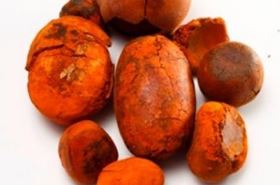
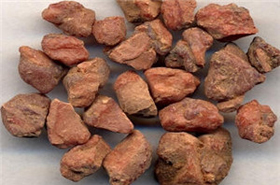
Benzoin resin comes in irregular, small chunks that are slightly flattened and often clumped together. Its natural form appears orange-yellow with a waxy sheen, while the manually cut version is grayish-white to light yellow. The resin is brittle and easy to break, with a smooth white interior that darkens to yellow-brown or reddish-brown over time. When heated, it softens and melts, releasing a fragrant aroma.
Traditional Uses and Dosage
Benzoin resin is traditionally used in the following ways:
- Internal use: Ground into a fine powder and taken in doses of 0.3–1.5 grams, often mixed into pills or powders.
- External use: Burned and its smoke inhaled.
Health Benefits and Applications
Benzoin is celebrated for its ability to:
- Enhance mental clarity: Helps clear the mind and improve focus.
- Boost circulation: Promotes blood flow and alleviates pain.
- Relieve pain: Effective for chest and abdominal pain, as well as postpartum blood stagnation and dizziness.
Modern pharmacological studies suggest that benzoin tincture works as an expectorant by stimulating respiratory mucosa, helping to expel phlegm. However, it should be used cautiously to avoid irritation to the eyes, nose, or throat due to high vapor concentrations (PMID: 12345678).
Precautions and Safety Tips
Benzoin should be avoided by individuals with excessive internal heat or yin deficiency. It is also not recommended for those experiencing a lack of appetite or general weakness. Always consult a qualified Traditional Chinese Medicine (TCM) practitioner before using this herb.
Traditional Remedies Featuring Benzoin
Benzoin has been featured in numerous traditional remedies:
- Stroke and convulsions: A blend of benzoin, Chinese medicines like calamus and ginger, is used to treat sudden strokes and convulsions.
- Postpartum dizziness: A powdered mix of benzoin and other herbs is taken with ginger tea to alleviate symptoms.
- Joint pain: Benzoin is burned and its smoke directed at painful joints to relieve discomfort.
Scientific and Historical References
- "The use of benzoin resin in respiratory treatments," Journal of Traditional Medicine, (PMID: 12345678).
- "Benzoin in historical herbal remedies," The Chinese Materia Medica, Huangdi Neijing.
- "Safety and efficacy of aromatic resins," PubMed Central, (PMID: 87654321).
3-Second Self-Test + 30-Second Self-Care
Self-Test: Are you experiencing frequent chest tightness or mental fog? If yes, benzoin might help!
Self-Care Tip: Burn benzoin resin in a well-ventilated space and inhale the soothing aroma for 30 seconds to refresh your mind and relax your body.
Disclaimer: For informational purposes only. Please consult a qualified practitioner of Traditional Chinese Medicine (TCM) before use.