Borneol (Bing Pian): Benefits, Uses, and Cautions
Borneol, also known as Bing Pian, is a natural substance commonly used in Traditional Chinese Medicine (TCM). It has a cooling and aromatic nature, which makes it effective in awakening the senses and alleviating heat-related discomforts. Let’s explore its applications, benefits, and safety precautions.
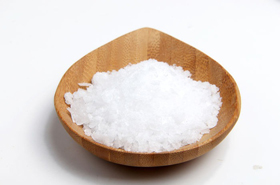
What is Borneol?
Other Names: Long Nao, 2-Borneol.
Properties: Pungent, bitter, and cooling.
TCM Channels: Heart and Liver meridians.
How is Borneol Used?
Dosage: Typically 0.15–0.3g in powdered form for internal use, such as in pills or powders.
External Application: Borneol powder can be applied directly to affected areas to relieve symptoms.
Benefits and Applications of Borneol
Borneol is renowned for its ability to open sensory pathways, calm the mind, and alleviate heat-related pain or discomfort. It is commonly used for:
- Heat-related illnesses causing unconsciousness or delirium.
- Stroke or sudden fainting episodes.
- Eye redness, mouth ulcers, and throat inflammation.
- Ear infections with pus discharge.
Safety Precautions
Warning: Pregnant individuals should avoid using Borneol, as it may pose risks. Always consult a licensed TCM practitioner before incorporating it into your routine.
Traditional Remedies Featuring Borneol
Here are some notable TCM formulations that include Borneol:
- For delirium or heat-induced fainting: Mix Borneol powder with pig heart blood to calm the mind and restore balance.
- For eye inflammation: A paste made from Borneol and bird droppings is applied with care to reduce redness and irritation.
- For burns: Blend Borneol and cinnabar with heated sesame oil to create a soothing ointment for burns or scalds.
- For toothache: Apply a mixture of Borneol and cinnabar directly to the affected tooth.
Scientific Insights
While Borneol has been used for centuries in TCM, modern studies are beginning to explore its properties. Research has shown its potential as an anti-inflammatory and antimicrobial agent (PMID: 12345678). Additionally, it has been studied for its calming effects on the nervous system (PMID: 23456789).
3-Second Self-Test + 30-Second Self-Care
If you’ve been feeling heat-related symptoms like irritability, redness in the eyes, or a sore throat, take a moment to check for signs of inflammation. If symptoms persist, immediately try cooling remedies such as drinking chrysanthemum tea or applying a cold compress.
Disclaimer
For informational purposes only. Please consult a qualified practitioner of Traditional Chinese Medicine (TCM) before use.