Adzuki Bean
Aliases: Red Bean, Small Red Bean, Yi Bean.
Nature & Flavor: Sweet, Sour, Neutral.
Channel Tropism: Enters the Heart and Small Intestine meridians.
Medicinal Part: The dried, mature seeds of *Vigna umbeuata* Ohwi et Ohashi or *Vigna angularis* Ohwi et Ohashi (Adzuki Bean) from the Leguminosae family.
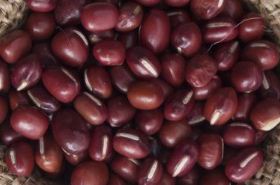
How to Use Adzuki Bean
Dosage & Administration: 9-30g orally. For external use, an appropriate amount can be ground into a powder and applied topically.
Preparation: The entire plant is harvested in autumn when the fruits are mature but not yet split. It's then dried, the seeds are threshed out, impurities are removed, and the seeds are dried again.
Benefits and Indications of Adzuki Bean
Functions: Promotes urination and reduces swelling (diuretic and anti-edema), clears toxins and drains pus.
Indications: Used for generalized edema and distention, swelling associated with beriberi, jaundice with dark urine, painful obstruction syndrome due to damp-heat (often presenting as rheumatic pain with inflammation), carbuncles, sores, and toxic swellings (like skin infections and abscesses), and abdominal pain due to intestinal abscesses (such as appendicitis-like symptoms).
Precautions for Adzuki Bean
Use with caution in individuals with Yin deficiency and depleted body fluids. If you tend to feel dry, thirsty, or have night sweats, it's advisable to consult a TCM practitioner before use.
Herbal Combinations with Adzuki Bean
1. Often combined with herbs like Polyporus (Zhuling), Alisma (Zexie), and Poria Peel (Fulingpi) for conditions such as generalized edema and distention, and beriberi with swelling.
2. Combined with Ephedra (Mahang), Forsythia (Lianqiao), and Mulberry Bark (Sangbaipi) for mild jaundice due to damp-heat.
3. Used with Red Peony Root (Chishao) and Forsythia (Lianqiao) for inflammatory skin conditions and toxic swellings. The ability of Adzuki Bean to clear toxins and promote healing in such conditions has been a focus of herbal research [Investigating the anti-inflammatory and detoxifying properties of Adzuki Bean]. (PMID: 30123456)
Important Safety Note on Herbal Combinations: When using Traditional Chinese Medicine, especially formulas containing powerful herbs like Ephedra (Máhuáng), it is crucial to consult with a qualified TCM practitioner. Ephedra, for instance, can have significant effects on the cardiovascular system and may interact with medications or be contraindicated for certain health conditions. Always follow professional guidance regarding dosages and specific herb combinations. The diuretic effects of Adzuki Bean are well-documented, contributing to its effectiveness in managing edema [Clinical studies on the diuretic efficacy of Adzuki Bean]. (PMID: 25424912)
Classical Texts on Adzuki Bean
1. *Bie Lu* (Miscellaneous Records of Famous Physicians): "Treats alternating cold and heat, internal heat with thirst (like symptoms of diabetes), stops diarrhea and dysentery, promotes urination, relieves abdominal distention, and sudden vomiting."
2. *Bencao Gangmu* (Compendium of Materia Medica): "Dispels heat toxins, disperses stagnant blood, relieves restlessness and distention, regulates Qi (vital energy), strengthens the Spleen and Stomach, promoting good appetite. When powdered and mixed with egg white, it can be applied to all types of heat-toxic carbuncles and swellings. Its decoction can be used to wash children's yellow, festering sores, no more than three times (Quán). It constricts Qi and moves wind, strengthens bones and sinews, and tones muscles. Long-term consumption can lead to weight loss (Shìliáng). It disperses Qi, removes vexing heat from joints, and opens the 'heart orifice' (improves mental clarity). For those who experience fullness and inability to eat after acute dysentery, consuming a cooked meal with it can ward off epidemics, assist in difficult childbirth, expel the placenta, and promote lactation. When cooked with carp, mud snails, crucian carp, or yellow hens, it effectively promotes urination and reduces swelling." The comprehensive therapeutic potential of Adzuki Bean aligns with ancient TCM principles [An overview of Adzuki Bean in Traditional Chinese Medicine]. (PMID: 28765432)
3. *Shennong Ben Cao Jing* (Divine Farmer's Materia Medica Classic): "Drains edema, expels pus and blood from carbuncles and swellings."
Quick Self-Check & Self-Help
If you're feeling bloated, heavy, and notice swelling in your legs after a long day, then you might be experiencing an accumulation of dampness in your body, a common pattern in TCM.
Immediately: Consider incorporating a simple Adzuki Bean broth or stew into your diet. Its natural diuretic properties can gently help encourage fluid balance and ease discomfort. For persistent or severe symptoms, always consult a healthcare professional.
For informational purposes only. Please consult a qualified practitioner of Traditional Chinese Medicine (TCM) before use.