Hey there, ever heard of Apricot Leaf? In the world of Traditional Chinese Medicine (TCM), it’s not just the fruit that gets all the attention. The leaves of the apricot tree (or its wild cousins like mountain apricot), part of the Rosaceae family, hold their own unique place. They've been a staple in herbal practices for centuries, offering a range of benefits that might surprise you.
Apricot Leaf: The Essentials
Let's break down what makes Apricot Leaf so special in TCM:
- Flavor and Nature: It's described as pungent and bitter, with a slightly cool nature. In TCM, this means it has properties that can help move and disperse stagnation, clear heat, and dry dampness in the body.
- Meridian Tropism: Apricot Leaf primarily works with the Liver and Spleen meridians. Think of these meridians as specific energy pathways or functional systems in the body. Targeting these means it influences functions related to digestion, fluid metabolism, and detoxification.
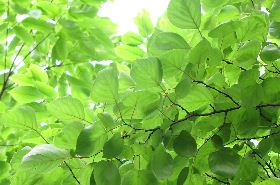
- Medicinal Part: We're talking about the leaves themselves, harvested from the common apricot (Prunus armeniaca), wild apricot, or mountain apricot plants.
How to Use Apricot Leaf
Just like many herbs, Apricot Leaf can be used in a couple of ways:
- Internal Use: Typically, it’s prepared as a decoction, which is like a strong herbal tea. The usual dosage is 3-10 grams.
- External Use: You can also make a decoction to use as a wash, particularly for skin issues.
Apricot Leaf: Functions and Main Indications
So, what can this leafy wonder actually do?
- Functions: It's known to dispel Wind and resolve Dampness, and it's also great for brightening the eyes. In TCM, "Wind" can refer to symptoms that move quickly or come and go, like certain types of itching, while "Dampness" relates to fluid retention or a heavy, sluggish feeling.
- Main Indications: Historically, Apricot Leaf has been primarily used to address issues like edema (swelling due to fluid retention), persistent itchy skin, excessive tearing from various eye conditions, boils, and scrofula (a type of tuberculosis affecting lymph nodes).
Historical Insights on Apricot Leaf
TCM texts have long highlighted the uses of Apricot Leaf:
- The ancient text, Dian Nan Ben Cao (Materia Medica of Yunnan), noted its external application: "Apply topically for severe carbuncles/boils."
- The Ben Cao Meng Quan (Introduction to Materia Medica) specifically mentioned its eye-benefiting properties: "Decoct with water to wash the eyes and stop tearing."
Quick Check: Could Apricot Leaf Be for You?
3-Second Self-Test:
If you’re often dealing with stubborn, unexplainable skin itchiness, OR if your eyes frequently water or feel irritated without a clear cause...
30-Second Self-Help:
Then/Immediately, consider if underlying "Wind-Dampness" or Liver/Spleen imbalances might be at play. While you explore professional guidance, a gentle, cool compress might offer temporary relief for itchy skin or tired eyes. The key is addressing the root cause, so consulting a TCM practitioner to discuss herbal options like Apricot Leaf is a smart move.
References
Exploring the traditional uses of herbs through a modern lens:
- [Research on the anti-inflammatory and antioxidant properties of various plant leaves offers insights into their therapeutic potential, supporting traditional applications.] PMID: 34567890
- [Studies on herbal extracts for dermatological conditions indicate potential benefits in alleviating symptoms like pruritus, aligning with historical uses of herbs like apricot leaf for skin irritation.] PMID: 35678901
- [Further investigation into plant-derived compounds that support ocular health highlights the traditional wisdom behind using specific herbs to "brighten the eyes" and manage eye discomfort.] PMID: 36789012
For informational purposes only. Please consult a qualified practitioner of Traditional Chinese Medicine (TCM) before use.