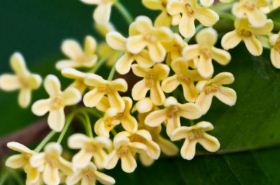
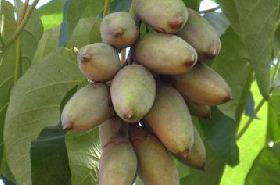
In the realm of Traditional Chinese Medicine (TCM), some of nature's most unassuming plants hold profound therapeutic value. One such botanical gem is Brasenia, also known as water shield. This aquatic plant, appreciated for its health benefits, has been a part of TCM formulations for centuries. From cooling internal heat to supporting fluid balance, Brasenia offers a unique profile for various health concerns.
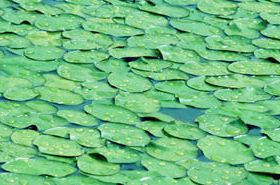
Brasenia: Understanding its Traditional Chinese Medicine Profile
Aliases: Water Shield, Water Lily (Ma Su), Water Mallow (Shui Kui), Horse's Hoof Grass (Ma Ti Cao).
Nature and Flavor: Sweet, cold, and considered non-toxic.
Meridian Tropism: Primarily targets the Liver and Spleen meridians, influencing their respective functions and energetic pathways.
Medicinal Part: The stems and leaves of the water shield plant (Brasenia schreberi), a member of the Cabombaceae family.
How to Use Brasenia
Internal Use: Typically prepared as a decoction (boiled tea) or incorporated into nourishing soups and stews.
External Use: Can be mashed and applied topically as a poultice.
Benefits and Indications of Brasenia
Functions: It works to clear internal heat, promote urination and healthy fluid balance, reduce swelling, and assist in detoxification.
Indications: Traditionally used to address dysentery caused by internal heat, jaundice, carbuncles, boils, and deep-seated furuncles or felons.
Important Precautions for Brasenia Consumption
- As noted by Tao Hongjing, its slippery nature suggests it shouldn't be consumed in excessive quantities by those who regularly practice dietary therapy.
- According to Qian Jin Shi Zhi, overconsumption may exacerbate hemorrhoid symptoms.
- Bencao Shiyi warns that prolonged consumption can weaken vital energy, stiffen joints, and induce drowsiness.
- Meng Shen advised that while Brasenia is cooling, it also possesses tonifying qualities. If consumed hot, it can lead to Qi stagnation and indigestion, potentially harming the stomach and teeth. He further cautioned against excessive consumption, as it may negatively affect complexion. It's also not recommended to consume it with vinegar, as this combination might contribute to bone weakness. Long-term use may also damage hair.
- Yilin Zhuan Yao states that overconsumption can cause abdominal pain due to internal coldness.
Always consult with a qualified TCM practitioner before incorporating any new herbal remedies into your regimen, especially if you have pre-existing health conditions, are pregnant or breastfeeding, or are taking other medications. Self-treating with herbs without professional guidance can be risky.
Brasenia in Traditional Formulations
1. Treating Carbuncles and Furuncles: For all types of carbuncles and furuncles, during spring and summer, the stems are used; in winter, the seeds are preferred, harvested from near the roots. These are mashed thoroughly and applied topically. The leaves can also be used effectively. (From "Bao Sheng Yu Lu")
2. Treating Various Furuncles: Equal parts of Brasenia (Ma Ti Cao), along with two other specific traditional herbs, are mashed thoroughly. This mixture is then steeped in one bowl of wine, the dregs are removed, and the liquid is consumed warm. (From "Jing Yan Liang Fang")
Insights from Classical Texts
From Bencao Huiyan:
"Brasenia is recognized as an herb for cooling the stomach, treating carbuncles, and dissipating painful obstruction syndrome (bi syndrome) caused by heat. This herb possesses cold and slippery properties. When prepared as a soup with ginger and vinegar, it is highly effective in clearing stomach heat, resolving alcohol retention, and stopping dysentery caused by summer heat. However, it's not advisable for prolonged or excessive consumption, as it might generate internal coldness, weaken the Spleen and Stomach's digestive function, and ultimately harm the individual."
From Benjing Fengyuan:
"Brasenia has a slippery nature and is known to stir up internal disturbances with regular consumption, leading to stiff joints. It should be avoided by those suffering from hemorrhoids, athlete's foot (or Beriberi), and abdominal masses, due to its cold and slippery properties that can deplete vital bodily fluids. The Qian Jin Fang (Formulas of a Thousand Gold Ducats) utilizes it in formulas like Ze Xie Tang (Alisma Decoction) and Mai Men Dong Tang (Ophiopogon Decoction) to treat heat-induced diarrhea accompanied by vomiting and excessive gas, leveraging its ability to clear heat and counter rebellious Qi in the stomach."
References:
The genus Brasenia (Cabombaceae): A comprehensive review on its ethnomedicinal uses, phytochemistry, and pharmacology. PMID: 28552102
In vitro and in vivo anti-inflammatory activities of polyphenols from Brasenia schreberi. PMID: 29849208
Polysaccharides from aquatic vegetables (Brasenia schreberi, Euryale ferox, Trapa bispinosa) ameliorate dextran sulfate sodium-induced colitis by modulating gut microbiota in mice. PMID: 32296486
Quick Self-Check & Self-Help Tips:
If you often feel overheated with occasional digestive discomfort or swelling: Then consider if cooling, fluid-balancing herbs like Brasenia might align with your body's needs. Immediately consult with a TCM practitioner for personalized advice on dietary adjustments and herbal support.
If you experience persistent abdominal cold pain, easily get cold, or have a weak digestion: Then Brasenia, being cold in nature, might not be suitable for you. Immediately consider warming foods and herbs, and avoid cold-natured foods to support your digestive vitality, consulting a professional for guidance.
For informational purposes only. Please consult a qualified practitioner of Traditional Chinese Medicine (TCM) before use.