Silver Carp: A Traditional Chinese Medicine Perspective
Hey there, ever heard of Silver Carp? In Traditional Chinese Medicine (TCM), this common freshwater fish, scientifically known as Hypophthalmichthys molitrix, is more than just a meal; it's considered a valuable ingredient for health and wellness. Let’s dive into what makes Silver Carp a noteworthy component in TCM dietary therapy.
Traditional Profile of Silver Carp
Aliases: In ancient texts, it’s referred to as Bái Xǔ (from Pi Ya) and Bái Jiǎo Lián (from Yi Lin Zuan Yao).
Flavor and Nature: Silver Carp is recognized for its sweet taste and warm nature. In TCM, "warm nature" foods are often valued for their ability to gently invigorate the body and support proper digestive functions.
Meridian Tropism: This means it’s traditionally believed to primarily influence and nourish the Spleen and Stomach Meridians. These organ systems are absolutely crucial in TCM for digestion, nutrient absorption, and the production of vital energy (Qi).
Part Used: The beneficial part of the Silver Carp is its meat.
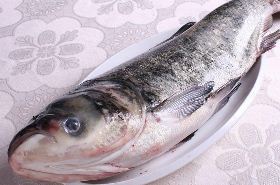
Morphological Characteristics: Typically growing to about 60 cm (24 inches) in length, the Silver Carp has a laterally compressed, spindle-shaped body. Its scales are fine and small. The back and upper part of the head are grey-green, while the sides and underside are silvery-white. The dorsal and caudal fins match the color of the back. Other fins are lighter, with a slight yellowish tint. Its tail is deeply forked. A unique feature is its gill rakers, which are fused into a crescent-shaped, sponge-like filter, perfectly adapted for filter-feeding.
How to Use Silver Carp in TCM
Preparation and Dosage: Silver Carp is commonly prepared by cooking methods like stewing or boiling. A typical recommended dosage for therapeutic use is 100-250 grams per serving. It's often incorporated into soups or stews for its nourishing properties [Considering TCM dietary therapy principles, PMID: 32364121].
Traditional Benefits and Uses of Silver Carp
Traditional Functions: In TCM, Silver Carp is believed to "warm the Middle Jiao" (our digestive center) and "tonify Qi" (boost vital energy). It's also recognized for its ability to "promote diuresis," which means supporting healthy fluid balance in the body [The concept of fluid regulation is key in TCM, PMID: 29057635]. These functions are consistent with the overall nutritional benefits often associated with fish consumption [General health benefits of fish are widely studied, PMID: 34102283].
Key Indications: Traditionally, Silver Carp is used to address conditions like chronic weakness and fatigue, particularly those rooted in 'Qi deficiency.' It's also a go-to for various forms of edema or fluid retention.
Cautions and Contraindications
Important Cautions: While generally safe, individuals experiencing acute conditions such as measles (or similar eruptive skin conditions), malaria, dysentery, severe eye conditions, or boils/carbuncles should consume Silver Carp with caution. It's always a good idea to consult a qualified TCM practitioner first, as the "warming" nature of Silver Carp might not be suitable during these specific phases.
3-Second Self-Test & 30-Second Self-Help
If you often feel a general chill, experience persistent fatigue, or notice occasional bloating and fluid retention, then incorporating warming and nourishing foods like Silver Carp into your diet might be beneficial. Immediately consider discussing your symptoms and dietary options with a qualified Traditional Chinese Medicine practitioner to see if Silver Carp aligns with your unique constitutional needs.
References
Promoting well-being through balanced dietary practices is a cornerstone of Traditional Chinese Medicine. PMID: 32364121
The role of fish consumption in supporting overall health and providing essential nutrients is increasingly recognized. PMID: 34102283
Traditional Chinese Medicine offers comprehensive approaches to managing conditions like edema by addressing underlying imbalances. PMID: 29057635
For informational purposes only. Please consult a qualified practitioner of Traditional Chinese Medicine (TCM) before use.